

By : Chinasaokwu Helen Okoro
Ghana Positions Itself as West Africa’s EV Powerhouse with Strategic Chinese Partnerships
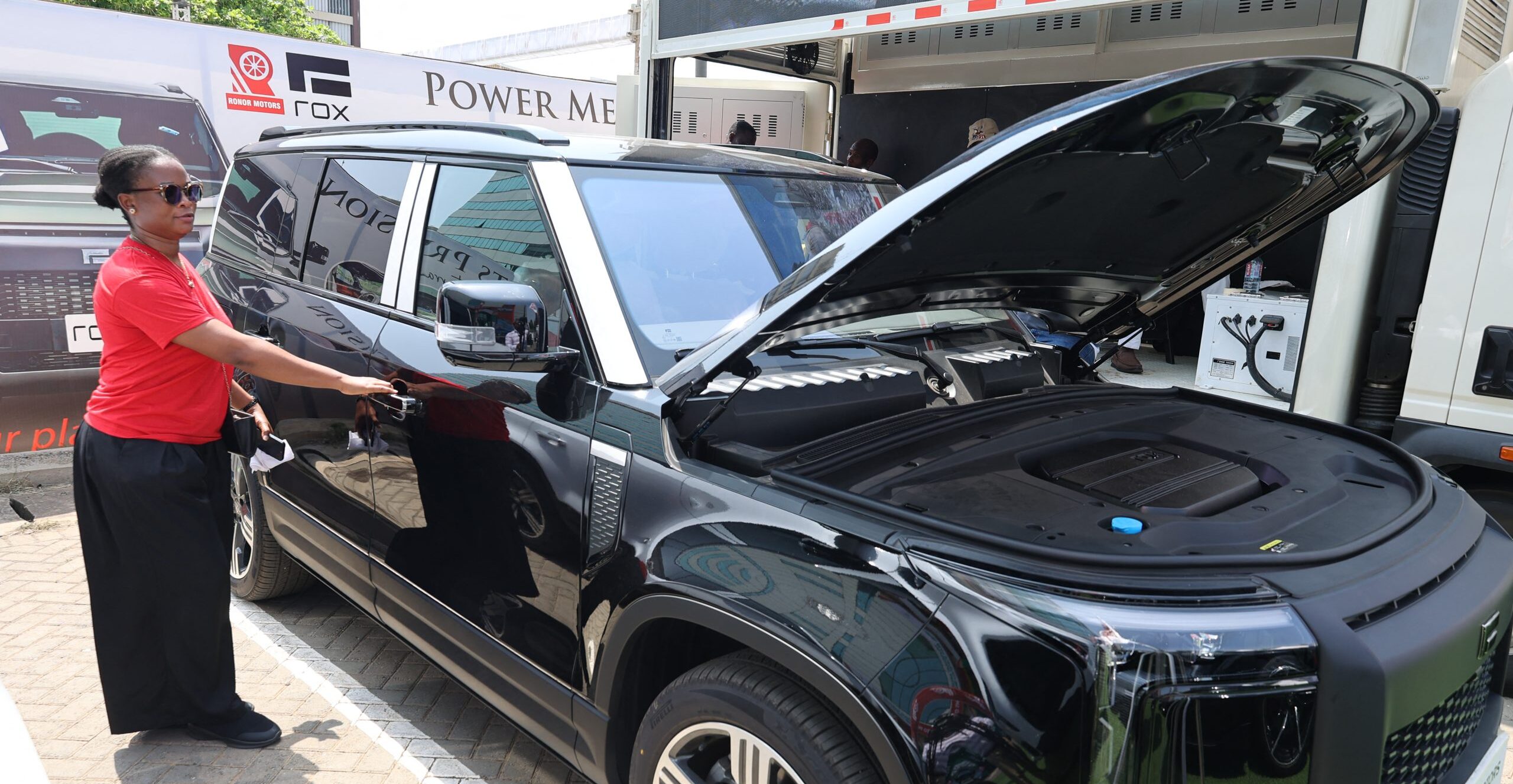
Ghana is setting its sights on becoming the driving force behind West Africa’s electric vehicle (EV) revolution, leveraging ambitious policy reforms, rising investor confidence, and strategic partnerships with major Chinese manufacturers. As global trends shift dramatically toward cleaner transportation, the government in Accra is moving fast to ensure the country does not miss out on the economic and environmental opportunities in the booming EV space.
In recent years, Ghana has invested heavily in strengthening its automobile sector, including the establishment of special automobile industrial zones and tax incentives for electric car assembly. These efforts have already attracted global players like Volkswagen and Toyota into the market. But the government’s latest strategic move—aligning with Chinese EV giants—has signaled a bold intention to lead the region in electric mobility.
China, the world’s largest producer of electric vehicles and EV components, has emerged as a central partner in Ghana’s next phase of industrialization. Discussions between Ghanaian officials and Chinese automakers such as BYD, Changan and SAIC have accelerated in the last year, focusing on local assembly, battery storage technology, charging infrastructure, and long-term research collaborations.
According to industry analysts, these partnerships could fundamentally transform the automotive landscape in West Africa. Ghana is ideally positioned—geographically, economically, and politically—to serve as a regional EV hub. Its port infrastructure in Tema, improving transport corridors, and stable policy environment make it an attractive springboard for distributing electric vehicles across Nigeria, Côte d’Ivoire, Togo, Burkina Faso, and beyond.
The government has also made clear that electric mobility will play a key role in its energy transition agenda. With Ghana targeting net-zero emissions by 2070, the shift to EVs forms part of a broader strategy to reduce reliance on fossil fuels. Electrifying transport, which contributes significantly to urban pollution and fuel import costs, is seen as a crucial step toward a more sustainable economy.
One of the most promising elements of Ghana’s EV ambition lies in battery production. The country is among the world’s top producers of manganese—an essential mineral in EV batteries. Ghanaian officials are now in talks with Chinese firms to establish battery manufacturing plants that would use locally sourced raw materials. If successful, this would not only reduce production costs but also position Ghana as a key supplier in Africa’s growing battery value chain.
Chinese partners have shown strong interest in these opportunities. Their expertise in lithium iron phosphate (LFP) batteries, fast-charging systems, and mass-market EV models aligns well with Ghana’s priorities: affordability, scalability, and rapid deployment. For Ghana, the partnership offers access to cutting-edge technology and financing mechanisms that could accelerate EV adoption far faster than if the country pursued the path alone.
However, challenges remain. Ghana’s charging infrastructure is still at an early stage, with only a handful of stations concentrated in Accra and major highways. High electricity tariffs and occasional power supply fluctuations also pose questions about long-term sustainability. Yet, policymakers insist that investing now will lay the foundation for solving these issues as demand grows.
Local entrepreneurs have begun embracing the shift as well. Startups focusing on EV conversions, battery recycling, and solar-powered charging stations are emerging, inspired by the government’s signals and market potential. Transport unions, bus operators, and taxi associations are also being engaged to ensure the transition benefits ordinary citizens and does not leave workers behind.
Regional bodies such as ECOWAS are watching Ghana’s progress closely. If the country succeeds, it could set a precedent for a coordinated West African EV market—one that boosts cross-border trade, reduces carbon emissions, and creates thousands of green jobs.
With visionary planning and the backing of China’s industrial giants, Ghana’s quest to become West Africa’s electric vehicle powerhouse is gathering real momentum. As global energy and transport systems transform, Ghana appears determined not just to keep pace, but to lead the charge.
About The Author




















Leave a comment