

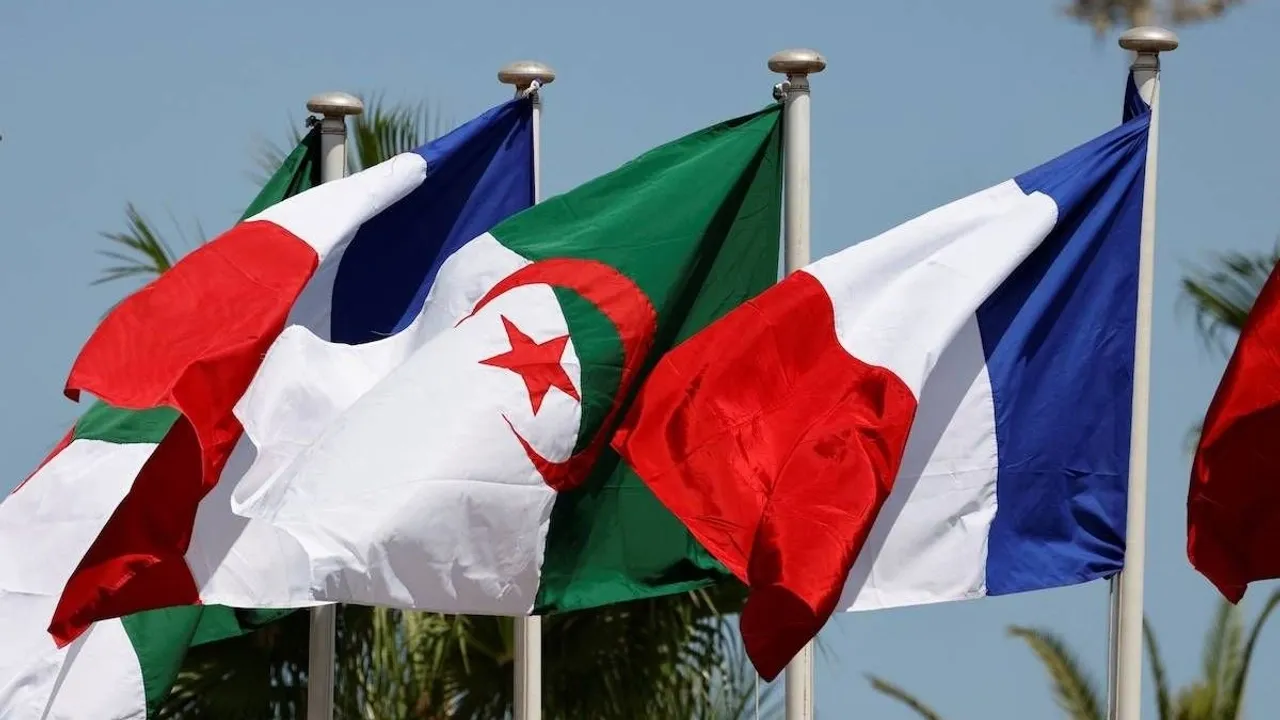
Algeria Calls for New Era With France While Keeping Colonial Wounds in Focus
Algeria’s military chief, General Said Chengriha, has urged Algeria and France to move toward a more balanced relationship that acknowledges the painful realities of colonial history without erasing its memory.
Chengriha made the remarks during a meeting with French Minister Delegate for Veterans and Remembrance Affairs, Patricia Miralles, as both countries continue efforts to ease tensions that have strained diplomatic ties in recent months.
According to Algeria’s Ministry of Defence, the army chief stressed the importance of confronting the colonial past while building cooperation rooted in respect and shared interests.
The discussions took place during Algeria’s National Day of Remembrance, which honours victims of the May 8, 1945 massacres carried out during French colonial rule.
The events remain one of the darkest chapters in Algerian history and are widely seen as a turning point in the country’s independence struggle.
Chengriha said Algerians who fought and sacrificed during World War II were justified in demanding freedom and sovereignty after enduring decades of colonial domination.
He also called for relations between Algeria and France to evolve in line with changing global realities, adding that future cooperation should be guided by mutual respect rather than historical bitterness alone.
Earlier, Algerian President Abdelmadjid Tebboune received Miralles, who delivered a written message from French President Emmanuel Macron.
Miralles arrived in Algeria alongside French ambassador Stephane Romatet, whose return follows a diplomatic dispute that saw him leave the country in April 2025.
The massacres in the eastern Algerian cities of Setif, Guelma and Kherrata resulted in the deaths of around 45,000 Algerians, according to official Algerian figures, after protests demanding independence were violently suppressed by French colonial forces.
In April, Algeria’s parliament approved legislation criminalising French colonial rule between 1830 and 1962. However, lawmakers removed provisions that would have formally demanded an apology and compensation from France.
About The Author

















Leave a comment