

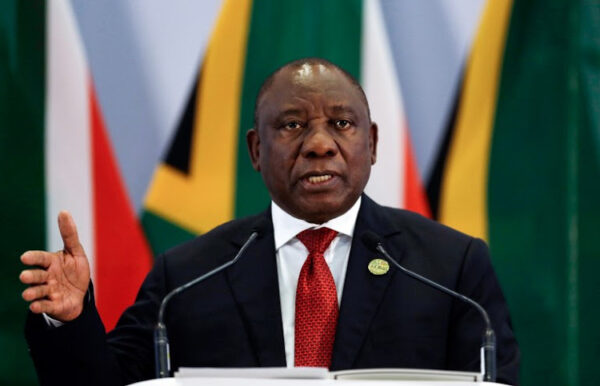
Ramaphosa Blasts Criminal Attacks on Africans as South Africa Faces Fresh Xenophobia Crisis
South African President Cyril Ramaphosa has condemned the recent wave of attacks against African migrants in the country, describing those behind the violence as “opportunists” and criminals exploiting public frustration under the guise of community activism.
In a statement released Monday, Mr Ramaphosa warned that his government would take firm action against individuals involved in the unrest, stressing that no citizen has the authority to carry out immigration enforcement or intimidate foreign nationals.
The condemnation follows renewed xenophobic violence in parts of South Africa, where several African migrants have reportedly been attacked, killed, or displaced.
Among the victims were at least two Nigerians and two Ghanaians, according to reports. Homes, shops, and properties belonging to migrants were also targeted during the protests.
Nigeria had earlier summoned South Africa’s High Commission, demanding a transparent investigation into the killings, while Ghana called on the African Union to place the attacks on the agenda of its upcoming Mid-Year Coordination Summit.
Mr Ramaphosa acknowledged that illegal migration remains a major concern for South Africa, arguing that undocumented migration places pressure on healthcare, housing, and public services, especially in poorer communities.
He also accused some employers of worsening tensions by hiring undocumented migrants as cheap labour instead of employing citizens under lawful working conditions, saying the practice undermines labour protections and fuels resentment.
The South African leader disclosed that authorities would intensify workplace inspections and crack down on businesses violating labour and immigration laws.
He added that border security operations had already intercepted hundreds of thousands of attempted illegal entries within the last financial year.
Ramaphosa further cautioned South Africans against actions capable of damaging the country’s reputation across the continent, urging citizens to preserve the solidarity that has historically shaped South Africa’s relationship with other African nations.
About The Author














Leave a comment