

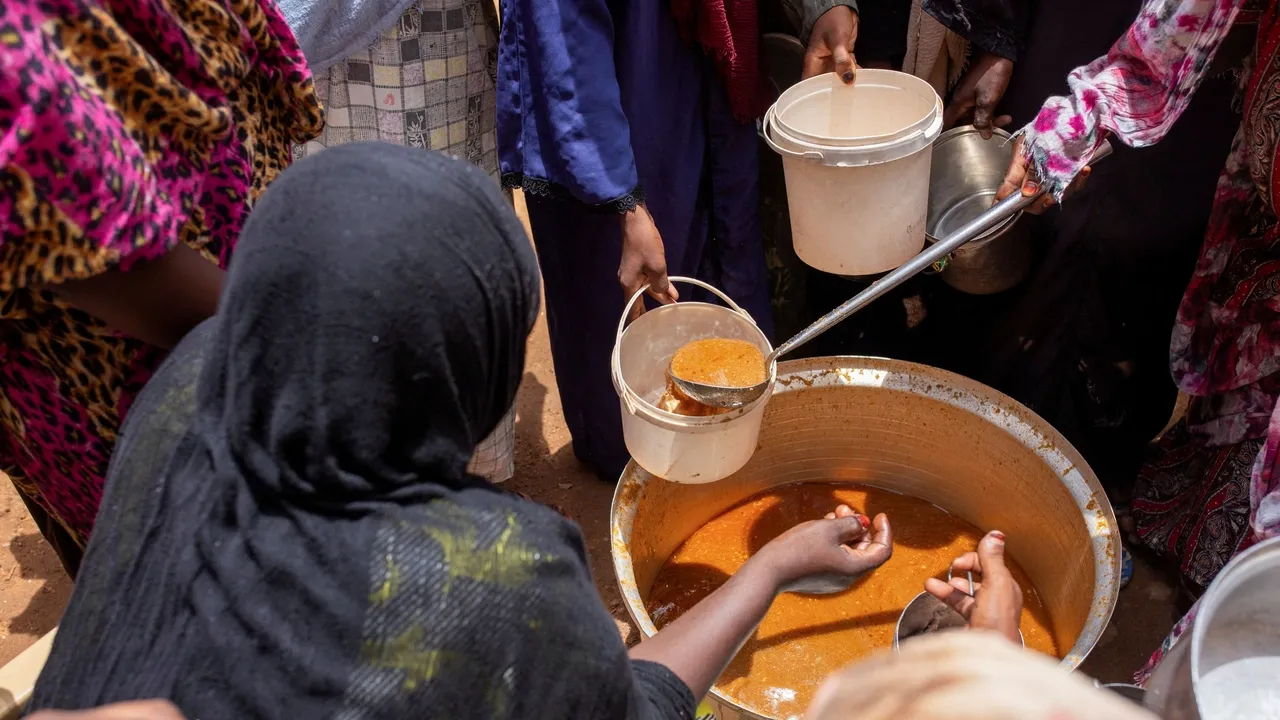
UN Warns Global Food Crisis Looms as Strait of Hormuz Blockade Threatens 45 Million People
The United Nations Office for the Coordination of Humanitarian Affairs has raised alarm over the worsening situation surrounding the Strait of Hormuz, warning that continued disruption in the waterway could trigger widespread hunger affecting millions worldwide.
According to the agency, the ongoing blockade and restricted movement of commercial vessels through the strategic corridor pose a serious risk to global food and fertilizer supply chains, with Africa and Asia expected to bear the heaviest impact.
The head of the UN humanitarian task force, Jorge Moreira da Silva, warned that the world may be approaching a critical point where urgent action is needed to prevent a large-scale humanitarian disaster.
He stated that if access through the strait is not restored quickly, up to 45 million people could be pushed into starvation and extreme poverty due to rising food insecurity and disrupted agricultural production.
The Strait of Hormuz is described as a key global shipping route, particularly for fertilizers and agricultural raw materials such as ammonia, urea and sulphur, which are essential for farming cycles across multiple continents.
The UN noted that delays in restoring normal trade flows could severely affect planting seasons in several regions, especially in Africa, where farmers depend heavily on timely fertilizer supply.
Moreira da Silva explained that although diplomatic efforts are ongoing, progress has been slow, with major stakeholders yet to fully align on reopening the route for unrestricted commercial access.
He added that while long-term peace remains the ideal solution, immediate humanitarian intervention is necessary to prevent disruption of agricultural production cycles already underway in some countries.
The UN further warned that even short-term delays could push global fertilizer prices higher, reducing crop yields and worsening food inflation worldwide.
The agency called for urgent political cooperation to allow limited but consistent movement of essential agricultural goods through the strait, stressing that delaying action could deepen the crisis and overwhelm humanitarian response systems in the coming months.
About The Author


















Leave a comment