

By: Chioma Madonna Ndukwu
Africa’s Talking Drum: When the Rain Began to Avoid the Kingdom
For many generations, the kingdom of Aduko was blessed by rain. Not violent storms or floods, but gentle rain that arrived exactly when the earth needed it.
The farms flourished, rivers stayed full, and the people often said the skies themselves favored Aduko.
Then King Python came to power. Python loved grand things.
He built towering palaces plated with silver. He ordered endless festivals that lasted for days. Musicians praised him in crowded squares while dancers filled the streets with celebration.
“Let the world envy Aduko,” the King proclaimed proudly. And for a while, the kingdom sparkled.
But far from the palace, the farmers noticed something troubling. The rains were arriving later each season.
At first, nobody panicked. “It is only a bad year,” the royal advisers insisted. But the next season was worse. The soil cracked beneath the sun. The rivers shrank at their edges. Harvests grew smaller.
Still, the palace celebrations continued. Whenever worried villagers spoke of drought, royal messengers dismissed them.
“Do not spread fear,” they warned. “The kingdom has never been stronger.” Then came the year when the rain did not arrive at all.
The earth became hard as stone. Hunger spread quietly through Aduko. Mothers rationed grain. Cattle collapsed along dusty roads. Yet inside the palace, fountains still flowed for royal banquets.
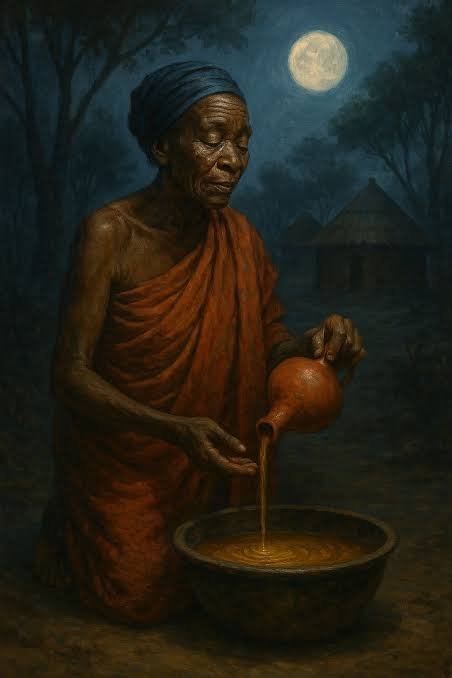
One evening, an old woman known as Mother Imani climbed the sacred hill overlooking the kingdom. For years she had studied the land, the rivers, and the winds.
She knelt and pressed her hands into the dry soil. Then she spoke words that spread across Aduko like wildfire:
“The rain is not avoiding the kingdom,” she said softly. “It is avoiding what the kingdom has become.” The people fell silent. For the first time, they looked beyond the glittering palace walls.
They saw forests destroyed for luxury halls. Rivers polluted by careless mining. Granaries emptied to fund endless celebrations while villages starved.
The kingdom had spent years dishonoring the very land that sustained it. Ashamed, the people demanded change.
The festivals grew fewer. Trees were replanted. Water was protected. Farmers were supported once again instead of ignored.
And many seasons later, as children slept beneath cool evening winds, thunder rolled softly across the hills.
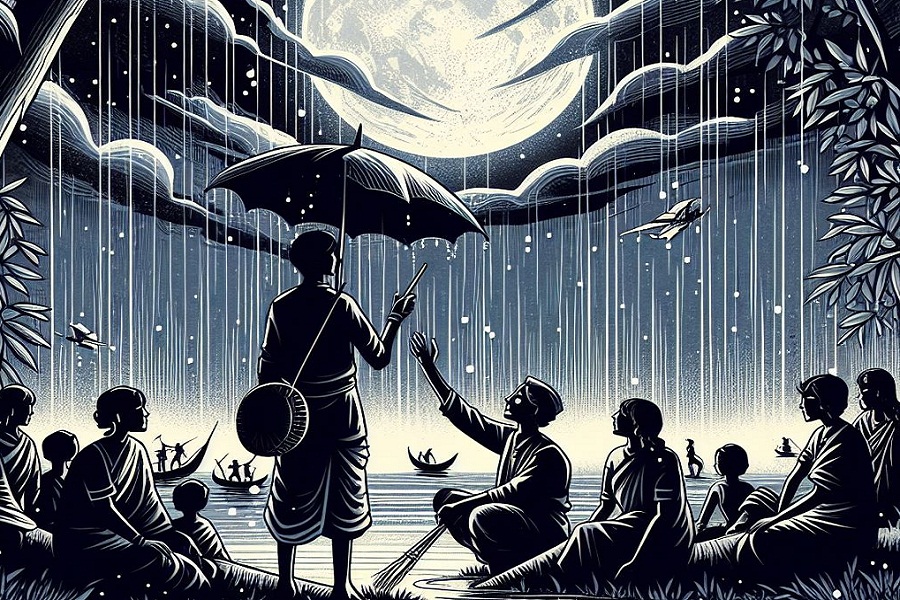
The people stepped outside in silence. Then the rain finally returned. Not as punishment. Not as reward. But as a reminder that no kingdom can survive when it forgets the source of its own survival.
Moral: A society that neglects its foundations while chasing vanity may eventually face the consequences of its own excess.
Do you think societies often realize the value of essential things only after they begin to disappear?
About The Author


















Leave a comment