

Lassa Fever Death Toll Climbs to 191, Says NCDC
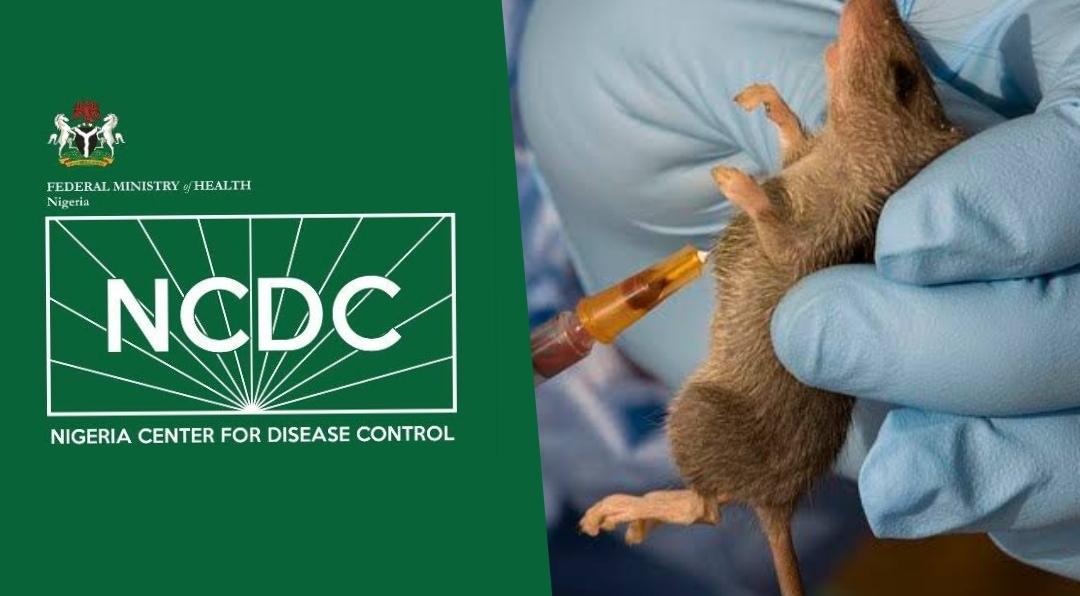
The Nigeria Centre for Disease Control and Prevention (Nigeria Centre for Disease Control and Prevention) has raised concern over the rising impact of Lassa fever across the country, as fatalities from the disease climb to 191 this year.
In its latest Lassa Fever Situation Report for Epidemiological Week 18 (April 27 to May 3, 2026), the agency said the case fatality rate has increased to 24.6 percent, up from 19.2 percent recorded during the same period in 2025.
The report also showed a rise in confirmed infections, with cases increasing from nine in Week 17 to 22 in Week 18. New infections were recorded in Ondo, Edo, and Plateau States.
According to the NCDC, 23 states and 106 local government areas have reported confirmed cases so far in 2026.
However, five states—Bauchi, Ondo, Taraba, Benue, and Edo—account for about 84 percent of the total infections nationwide.
The agency noted that young adults between the ages of 21 and 30 remain the most affected demographic. It also confirmed that one healthcare worker was infected within the reporting week, underscoring continued occupational risks.
Health officials attributed the rising death toll to several factors, including late presentation at health facilities, low awareness in affected communities, weak environmental sanitation practices, and the high cost of treatment.
To curb the spread, the agency said it has intensified surveillance, risk communication, and infection prevention efforts in high-burden states.
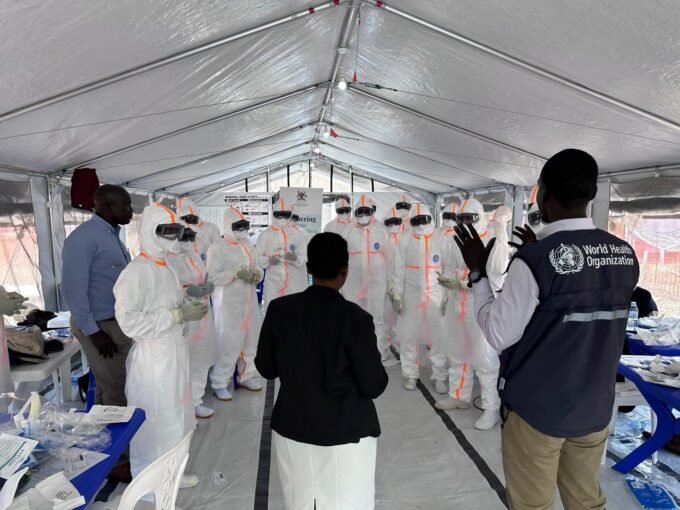
It added that 62 infection prevention and control focal persons were trained in Ebonyi and Ondo States with support from the World Health Organization (WHO).
Incident Management Systems have also been activated in Oyo, Benue, Plateau, Kebbi, Kano, and Gombe to improve emergency response coordination.
The NCDC further disclosed that it is implementing a 30-day healthcare worker protection plan in collaboration with WHO and the United States Centers for Disease Control and Prevention (US CDC) to reduce infections among frontline medical personnel.
About The Author





















Leave a comment