

By: Chioma Madonna Ndukwu
Nigeria’s 2027 Race Takes New Turn as Obi, Kwankwaso Alliance Sparks Northern Divide
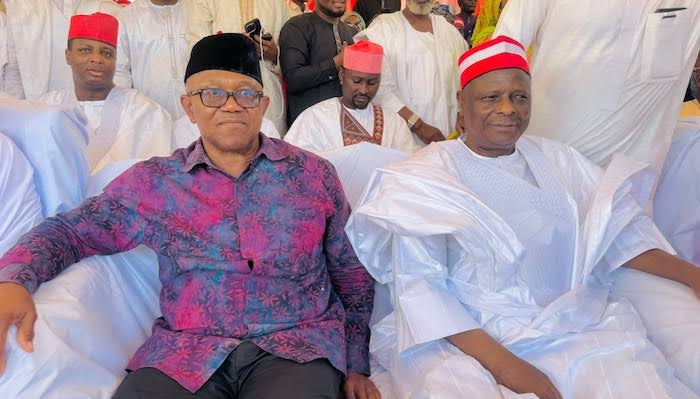
Nigeria’s political landscape is shifting ahead of the 2027 general elections, as a new alliance between Peter Obi and Rabiu Musa Kwankwaso stirs debate across the northern region.
Both leaders have formally aligned with the Nigeria Democratic Congress (NDC), a relatively new political platform positioning itself as a unifying force within the opposition.
Their move, announced in Abuja, is being framed by party officials as a strategic step toward consolidating opposition strength.
However, reactions in northern Nigeria remain mixed, reflecting uncertainty about how the partnership will resonate with voters.
At the heart of the realignment is a shared claim of ideological alignment. Kwankwaso noted that extensive consultations with party stakeholders revealed common ground, while Obi emphasized the need to rebuild trust in governance and steer Nigeria toward stability and inclusive development.
Both leaders also signaled a desire to avoid internal disputes that have plagued previous political platforms.
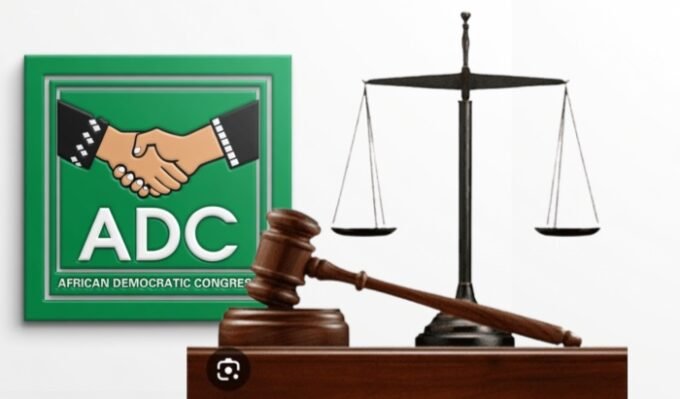
Their defection follows a turbulent exit from the African Democratic Congress (ADC), where lingering legal battles and internal crises raised concerns about the party’s viability ahead of the elections.
Supporters within the Kwankwasiyya movement argue that the shift to the NDC reflects a search for a more stable and legally secure platform, especially given the tight electoral timeline and ongoing court cases surrounding the ADC.
Advocates of the alliance believe a joint ticket could reshape Nigeria’s political equation by promoting national unity over regional divisions.
Some supporters in the North argue that competence, rather than geography, should guide voter decisions, expressing confidence that a combined Obi–Kwankwaso front could challenge the ruling All Progressives Congress (APC).
Still, critics remain unconvinced. Political commentator Mahdi Shehu warned that repeated party shifts by both figures may signal overconfidence rather than strategy.
He suggested the alliance risks becoming a political bargaining tool rather than a cohesive force capable of unseating the incumbent government.
On the ground, public sentiment reflects this divide. While some northern residents express unwavering loyalty to Kwankwaso and optimism about the alliance’s potential, others question its credibility and direction.
Concerns range from the absence of a clear policy blueprint to fears that ethnic and religious dynamics could shape voter perception, particularly in core northern states.
Despite the uncertainty, one thing is clear: the emerging alliance has injected fresh momentum—and tension—into Nigeria’s political conversation.
As the countdown to 2027 continues, the ability of opposition forces to unify and present a compelling alternative may ultimately determine the direction of the country’s next chapter.
About The Author








Leave a comment