

Trump Dismisses Iran’s Terms as Tehran Signals New Wave of Retaliation
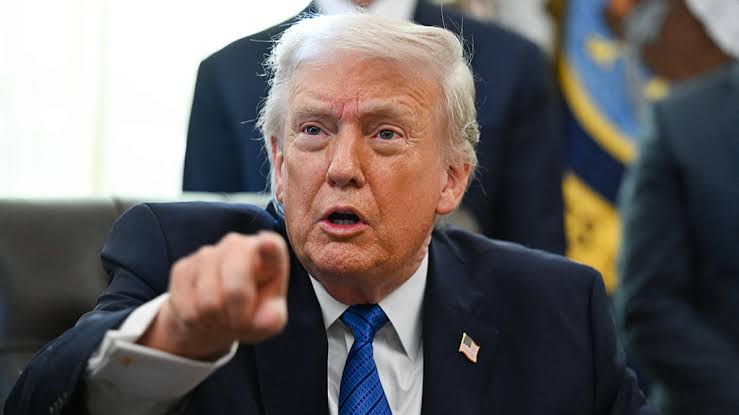
United States President Donald Trump has rejected Iran’s latest demands aimed at ending the escalating Middle East crisis, branding Tehran’s response to Washington’s proposed peace framework as “totally unacceptable.”
In a statement shared on his Truth Social account on Sunday, Trump expressed frustration over Iran’s position, fueling concerns that fragile diplomatic efforts could collapse and trigger another round of confrontation in the region.
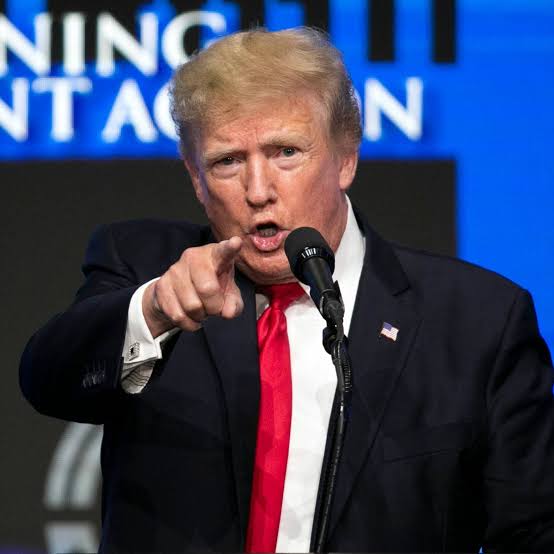
“I have just read the response from Iran’s so-called ‘Representatives.’ I don’t like it — TOTALLY UNACCEPTABLE!” Trump wrote.
While the US leader did not reveal the exact contents of Tehran’s proposal, reports suggest Iran requested assurances over its enriched uranium reserves and called for an end to regional hostilities, especially the conflict involving Hezbollah in Lebanon.
Iranian President Masoud Pezeshkian struck a firm tone, insisting that ongoing negotiations should not be mistaken for weakness or surrender.
“We will never bow down to the enemy, and if there is talk of dialogue or negotiation, it does not mean surrender or retreat,” Pezeshkian stated on X.
According to Iranian state media outlet IRIB, Tehran conveyed its response to Washington through Pakistani intermediaries, emphasizing the need to halt tensions “on all fronts,” including clashes tied to Hezbollah, while also demanding guarantees surrounding maritime security.
Israeli Prime Minister Benjamin Netanyahu maintained that the conflict cannot end unless Iran’s nuclear programme is completely dismantled and its enriched uranium removed from the country.
“It’s not over, because there’s still nuclear material, enriched uranium, that has to be taken out of Iran,” Netanyahu said during an interview on CBS’ “60 Minutes.”
Reports from The Wall Street Journal indicated that Iran proposed reducing part of its highly enriched uranium stockpile and moving the remaining quantity to a third-party nation, on the condition that it would be returned if negotiations failed or if the US withdrew from any future agreement.
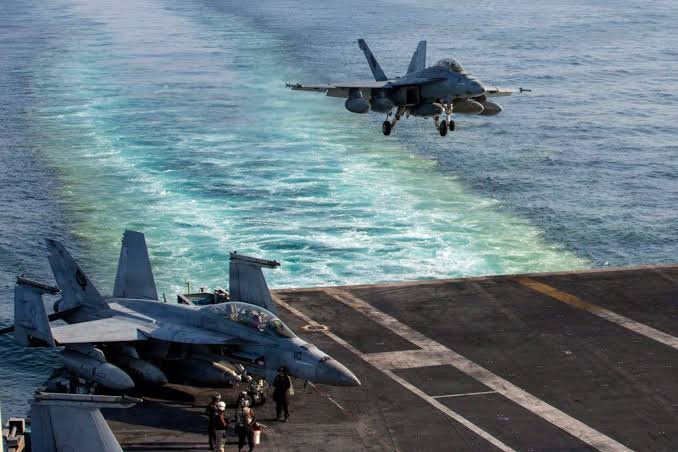
Meanwhile, tensions around the Strait of Hormuz have continued to intensify. Iran had earlier tightened restrictions in the strategic waterway during the conflict, while the US Navy reportedly expanded patrol operations near Iranian ports.
Tehran also warned Britain and France against sending naval forces into the strait. Iranian Deputy Foreign Minister Kazem Gharibabadi insisted that only Iran had the authority to guarantee security in the region.
“Only the Islamic Republic of Iran can establish security in this strait, and it will not allow any country to interfere in such matters,” he said.
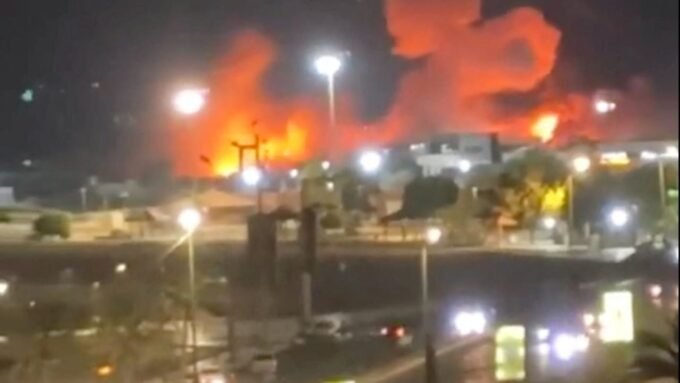
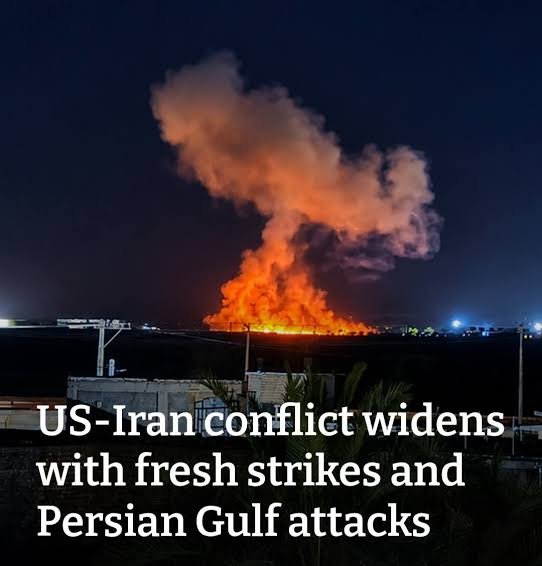
Fresh drone-related incidents further heightened fears on Sunday after the United Arab Emirates, Kuwait and Qatar reported attempted or confirmed drone attacks within their territories and surrounding waters.
Iranian lawmaker Ebrahim Rezaei also warned that Tehran’s “restraint is over,” threatening retaliation against American military assets and vessels if Iranian ships were targeted.
The latest developments have deepened global fears that the standoff between the US, Iran and their regional allies could spiral into a wider Middle East conflict.
About The Author
















Leave a comment