

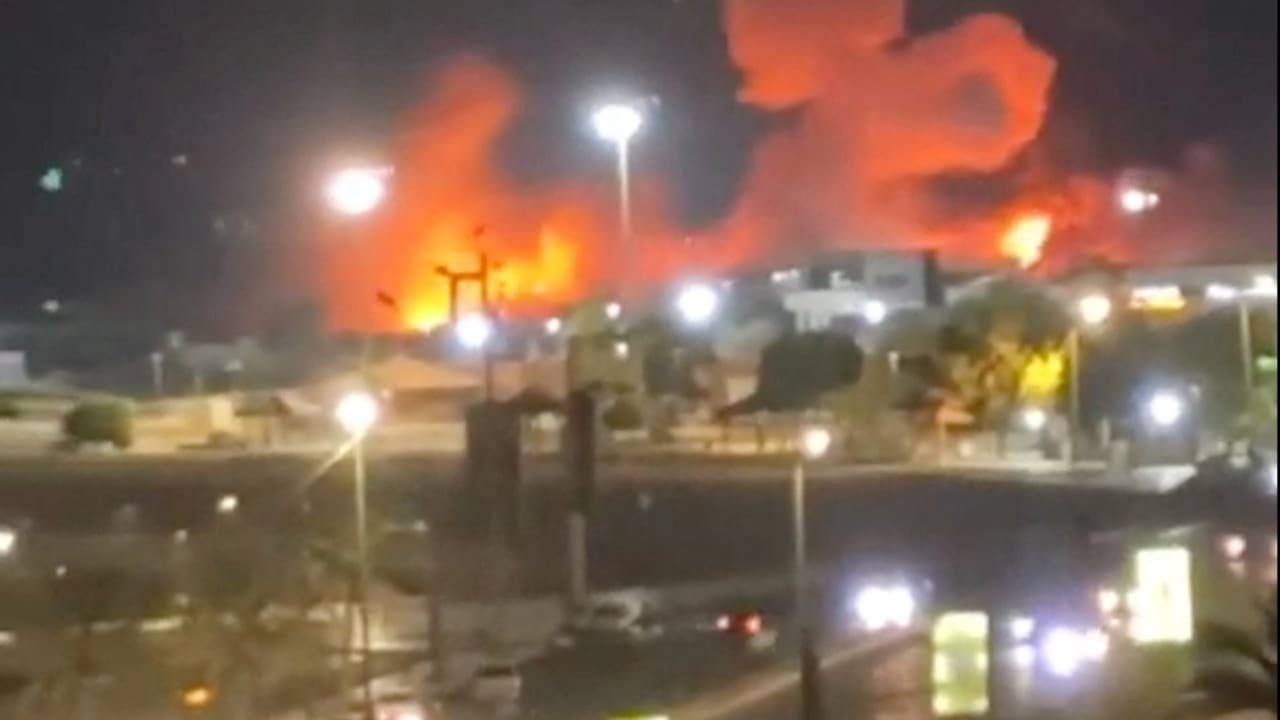
US-Iran Conflict Escalates as Fresh Airstrikes Shake Strait of Hormuz
Military tensions between the United States and Iran have entered another dangerous phase after Washington launched a fresh wave of airstrikes against Iranian targets, triggering retaliatory attacks across the Gulf.
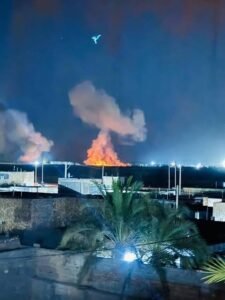
The renewed confrontation has raised fresh concerns over the security of the Strait of Hormuz, one of the world’s most important energy corridors and a critical route for global oil shipments.
The latest operation, carried out by the US military late Sunday, focused on Iranian military facilities that American officials say have been involved in threatening commercial vessels and disrupting maritime traffic through the strategic waterway.
The US Central Command (CENTCOM) said the strikes were intended to weaken Iran’s military capability and safeguard international shipping from further attacks.
President Donald Trump defended the attacks, saying the United States would continue to hold Tehran responsible for actions that endanger civilian vessels and regional security.
He described the military campaign as a forceful response to Iranian aggression.
Iran answered with a barrage of missiles and drones aimed at countries hosting American military forces in the region.
Jordan said its air defence units intercepted several incoming missiles, while Kuwait confirmed it had activated its defences against hostile aerial targets.
Security alerts were also reported in other Gulf states as fears of a wider regional conflict intensified.
The latest exchange has further eroded hopes that last month’s ceasefire arrangement could survive.
Although some commercial ships are still navigating the Strait of Hormuz, shipping operators are increasingly concerned about the growing military activity around the narrow passage, which carries a significant share of the world’s oil and liquefied natural gas exports.
Iran also widened its response by targeting areas linked to US interests, including Qatar, which has played an important role in mediating previous negotiations between Washington and Tehran.
The United Arab Emirates reported intercepting missiles and drones after weeks without facing direct attacks.
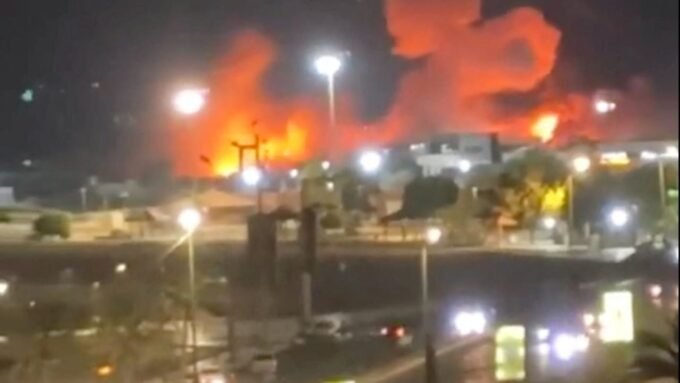
Meanwhile, Iranian media reported explosions around the strategic coastal cities of Bandar Abbas and Sirik, as well as Qeshm Island, locations that host key military installations overlooking the Strait of Hormuz.
Tehran condemned the latest American offensive, accusing Washington of destroying months of diplomatic efforts aimed at easing tensions and restoring stability across the Gulf.
Iranian officials also blamed US pressure for the collapse of talks held in Oman, where discussions had centred on arrangements for managing navigation through the strait.
The renewed hostilities have unsettled global financial markets. Oil prices climbed as trading opened in Asia, reflecting growing fears that any prolonged disruption to traffic through the Strait of Hormuz could tighten energy supplies and place renewed pressure on the global economy.
Iran has continued to insist that ships passing through the waterway must obtain its approval before transit, while the United States has rejected those demands, maintaining that the strait remains an international passage where freedom of navigation must be protected.
Despite the heightened risks, the US Navy-led Joint Maritime Information Centre said an expanded southern shipping route near Oman remains available for commercial traffic.
With diplomacy increasingly overshadowed by military action and both sides showing little willingness to step back, the confrontation is rapidly becoming one of the most volatile security crises in the Middle East.
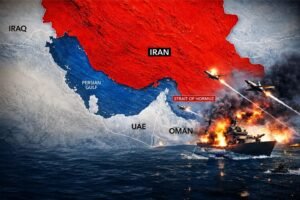
As the battle over the Strait of Hormuz intensifies, governments and global markets are watching closely, aware that any further escalation could have consequences far beyond the Gulf region.
About The Author
















Leave a comment