

By: Chioma Madonna Ndukwu
AU Hails Biya’s Re-Election, Urges Dialogue as Protests Shake Cameroon
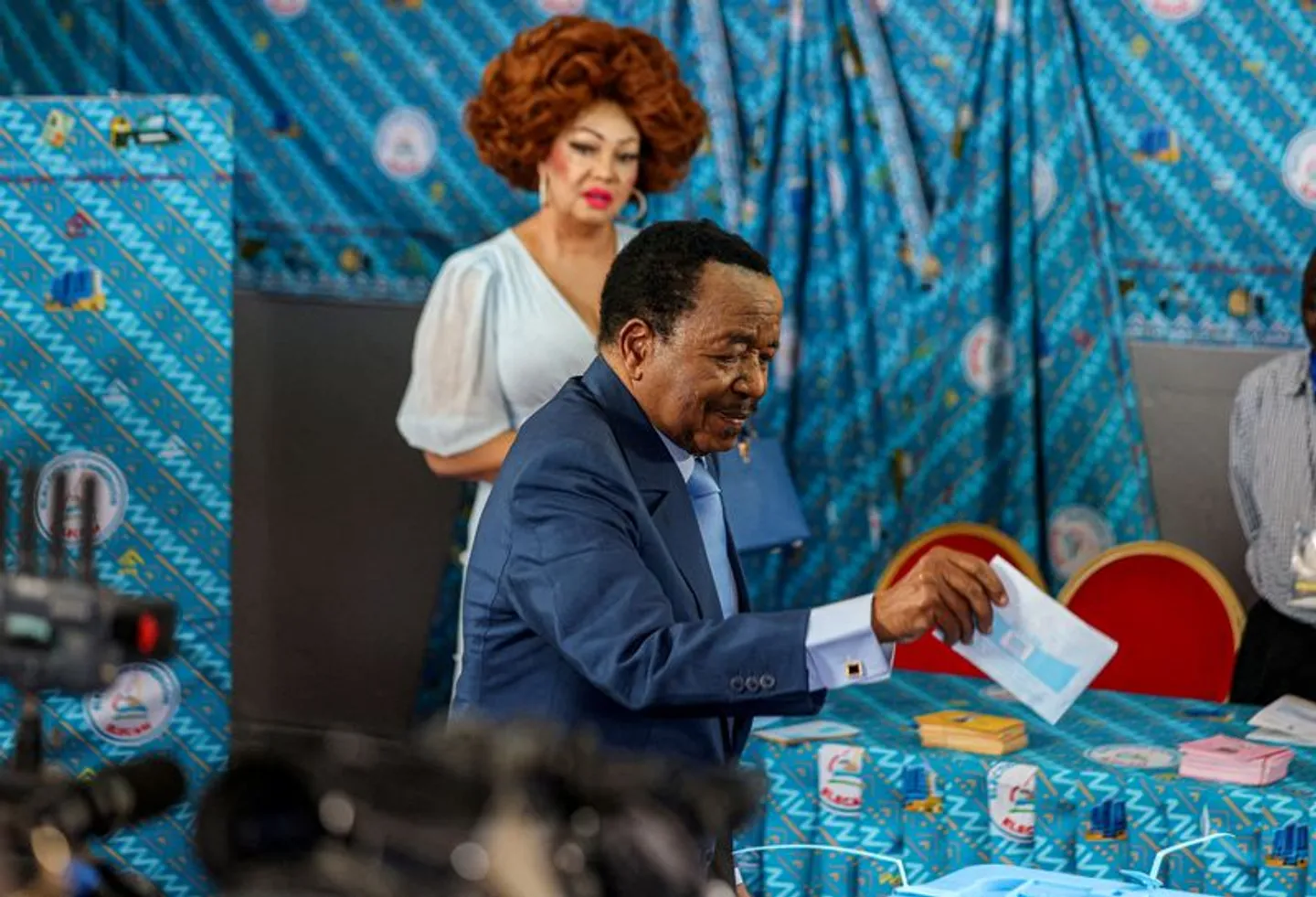
The African Union has congratulated President Paul Biya on winning a record eighth term in Cameroon’s presidential election, even as deadly protests continue to erupt across parts of the country over the disputed results.
In a statement issued on Monday, AU Chairperson Mahmoud Ali Youssouf praised Biya’s victory but voiced concern over reports of violence, arrests and the death of at least four people during demonstrations following the October 12 poll.
“The Chairperson is gravely concerned about the reported violence, repression and arrests of protesters and political actors in connection with the election results,” the statement read.
“He urges the Cameroonian authorities to prioritise inclusive national dialogue and consultation with all political stakeholders in the spirit of unity, peace and collective security.”
The government has acknowledged casualties from the protests but blamed opposition leader Issa Tchiroma Bakary for inciting unrest. Bakary, a former government minister who also contested the election, has rejected the official results and claimed victory, urging his supporters to protest peacefully.
Cameroon’s Minister of Territorial Administration, Paul Atanga Nji, accused Bakary of calling for an “insurrection,” alleging that his followers were responsible for looting, arson, and vandalism in several towns including Dschang, Ngon, Guider, and Garoua.
He confirmed that an investigation had been launched, adding that “several security personnel were grievously wounded” during clashes with demonstrators.
President Paul Biya, now 92, is Africa’s oldest sitting head of state and one of the world’s longest-serving leaders. Having assumed office in 1982, his new mandate extends his rule to more than four decades, a tenure marked by both stability and controversy.
Biya’s leadership has often been credited with keeping Cameroon relatively steady in a volatile region, yet critics say his long stay in power has weakened democratic institutions and silenced opposition voices.
The country remains divided between a French-speaking majority and English-speaking regions that have experienced years of unrest and calls for secession.
The October election took place amid widespread concerns about voter suppression, low turnout in conflict areas, and limited media freedom.
While the government insists the polls were credible, opposition figures and civil society groups argue that irregularities and intimidation marred the process.
The African Union’s congratulatory message, coupled with its call for dialogue, reflects a delicate balance between recognising Biya’s official victory and acknowledging the deep political fractures threatening Cameroon’s stability.
Observers say the AU’s intervention could be crucial in encouraging peaceful negotiations and preventing a deeper crisis. But many Cameroonians remain sceptical, pointing to decades of unfulfilled promises of reform.
As the unrest continues and the government tightens security, the question remains whether President Biya, now entering his 43rd year in power, will heed calls for dialogue or tighten his grip on a nation increasingly restless for change.
About The Author









Leave a comment