


By: Chioma Madonna Ndukwu
Nigeria @65: Still Searching for Its Rhythm, Still Holding On to Hope
Sixty-five years after independence, Nigeria remains a story of contrasts, struggle and resilience, despair and determination. The anniversary is not just about counting years; it is about measuring progress, weighing failures, and asking whether leadership can finally rise to the stubborn strength of its people.
The journey since 1960 has not been smooth. The eagle that spread its wings then still flutters between turbulence and calm, refusing to crash but yet to soar. The last two years especially have tested the nation’s endurance.
Inflation has bitten deep, food prices have spun beyond the reach of many households, and millions of youths roam the streets in search of jobs. Still, amid the thorns, a few roses are emerging.
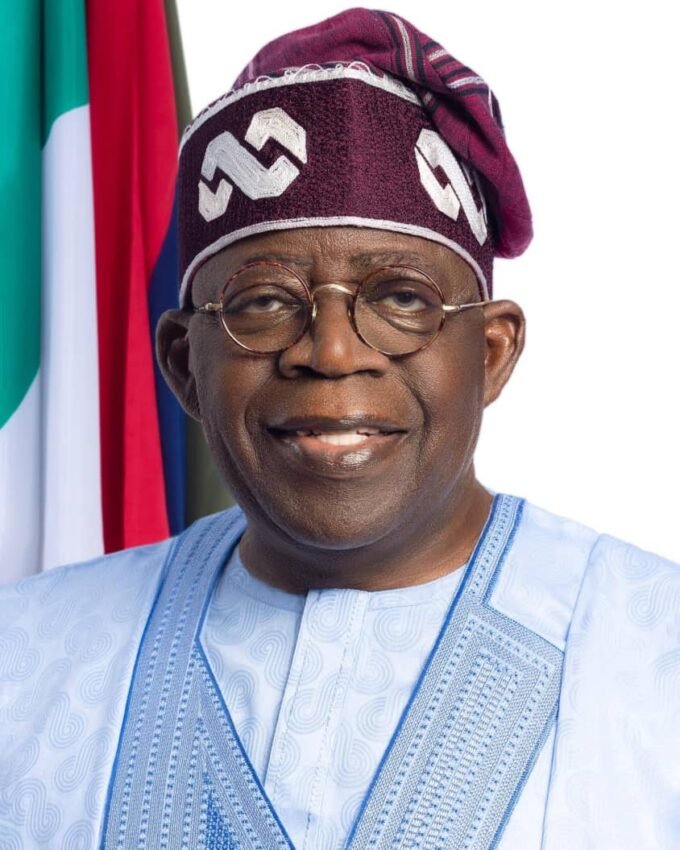
The Tinubu administration has introduced student loans and digital learning projects in some states. These are steps forward. But overcrowded classrooms, poor facilities, and recurring strikes keep education fragile. As Obafemi Awolowo once warned, “The children of the poor you fail to train will never let your children sleep.”
Real solutions will demand more than policy launches. Teachers must be properly trained and paid, vocational skills must be prioritized alongside academics, and libraries and labs must be revived. Education should be the ladder every child can climb, not a wall that locks them out.
The judiciary remains troubled. Cases drag for years, corruption clouds verdicts, and ordinary people often see justice as a commodity reserved for the wealthy. To its credit, the system has begun adopting e-filing and digitalization, which has sped up some cases. But technology alone cannot rebuild trust.
The real solution lies in judicial independence, accountability, and strict enforcement of laws without favoritism. Justice must not only be done but must be seen to be done. Without it, unity will remain only a slogan.
Across the country, creativity thrives. Tech hubs in Lagos are producing start-ups that attract global funding. Nigerian music and film have conquered world stages. Young people are brimming with talent. Yet unemployment and underemployment remain a raging fire.
Government’s recent skill acquisition programs and start-up funds are good sparks, but sparks must become flames. What is needed is an economy that produces jobs on a large scale, in manufacturing, in agriculture, in technology. Youth need ladders to climb, not just lectures about resilience.
In rural areas, farmers still flee bandits in Zamfara, Benue, and Kaduna while their crops wither. In cities, families face food prices that rise like kites in harmattan winds. Irrigation projects in the North and rice mills in the South offer glimpses of hope, but the bigger picture is grim.
The solution is simple but difficult: secure farmlands, support farmers with credit and tools, and stabilize markets to protect both producers and consumers. And water, often neglected, must take center stage. Boreholes, dams, and clean pipes in villages are as urgent as oil revenues.
Electricity remains Nigeria’s Achilles heel. The power sector is a candle burning at both ends; policies are made, agreements are signed, yet darkness often rules. Tinubu’s new power deals and private sector participation suggest intent, but Nigerians still live more by generators than by grid.
The way forward is diversification: solar in the North, hydro in the Middle Belt, gas and wind in the South. A nation cannot build industries or dreams in the dark. The giant cannot dance without light.
Insecurity continues to gnaw at Nigeria’s fabric. Bandits, kidnappers, and terrorists disrupt farms, schools, and highways. Military operations have reclaimed some territories in the North-East, but fear remains widespread.
Security must go beyond bullets. Community policing, intelligence gathering, and dialogue with affected communities are essential. Employment for restless youth is also security work. Lasting peace cannot be achieved by force alone; it must be built through trust.
In a series of conversations conducted by Oma of Africaworldnews, Nigerians from different corners of the country spoke frankly about their reality.
Dr. Christopher Ogbonna, a medical practitioner in Abuja, compared the country to a patient:
“Nigeria is like a patient. We know the illness, but the medicine is not given on time. The government must stop firefighting and start preventive care; in health, in security, in economy.”
From Awka, lawyer Mrs. Emylia Ilonye lamented:
“Justice here is often for sale. We need judges who fear God and laws that bite equally. Without justice, unity is just a slogan.”
In Aba, businesswoman Miss Lilian Ikwuagha described the struggle:
“The market is tough. Prices rise like kites in harmattan wind. We need policies that make life predictable, not chaotic.”
Up north in Zamfara, farmer Mallam Usman Shinkafi voiced his fear:
“You can’t farm with fear. Secure us, and we will feed the nation.”
And in Borno, Reverend Musa Danladi offered a spiritual reflection:
“Nigeria at 65 is a prodigal son. But God’s arms are open. We must return to honesty, service, and peace.”
These voices echo one truth: Nigerians know what is broken, and they also know what must be fixed.
Nigeria at 65 is not without hope. Its greatest asset is its people — resilient, creative, and unbroken. From farmers braving insecurity to young innovators building apps, from Nollywood to Afrobeat, the soul of Nigeria shines beyond its scars.
But resilience is not enough. Endurance cannot forever be a badge of honor. Leadership must match the people’s strength with vision and action. The solutions are not mysteries: fix power, secure farms, invest in schools, reform justice, create jobs, provide clean water, and heal the wounds of division.
At 65, Nigeria stands at a crossroads. One path leads to further decline; the other to renewal. The choice belongs to its leaders; but the heartbeat of its people keeps insisting on hope.
Because, as Mandela once said, “It always seems impossible until it is done.”
About The Author










Leave a comment