

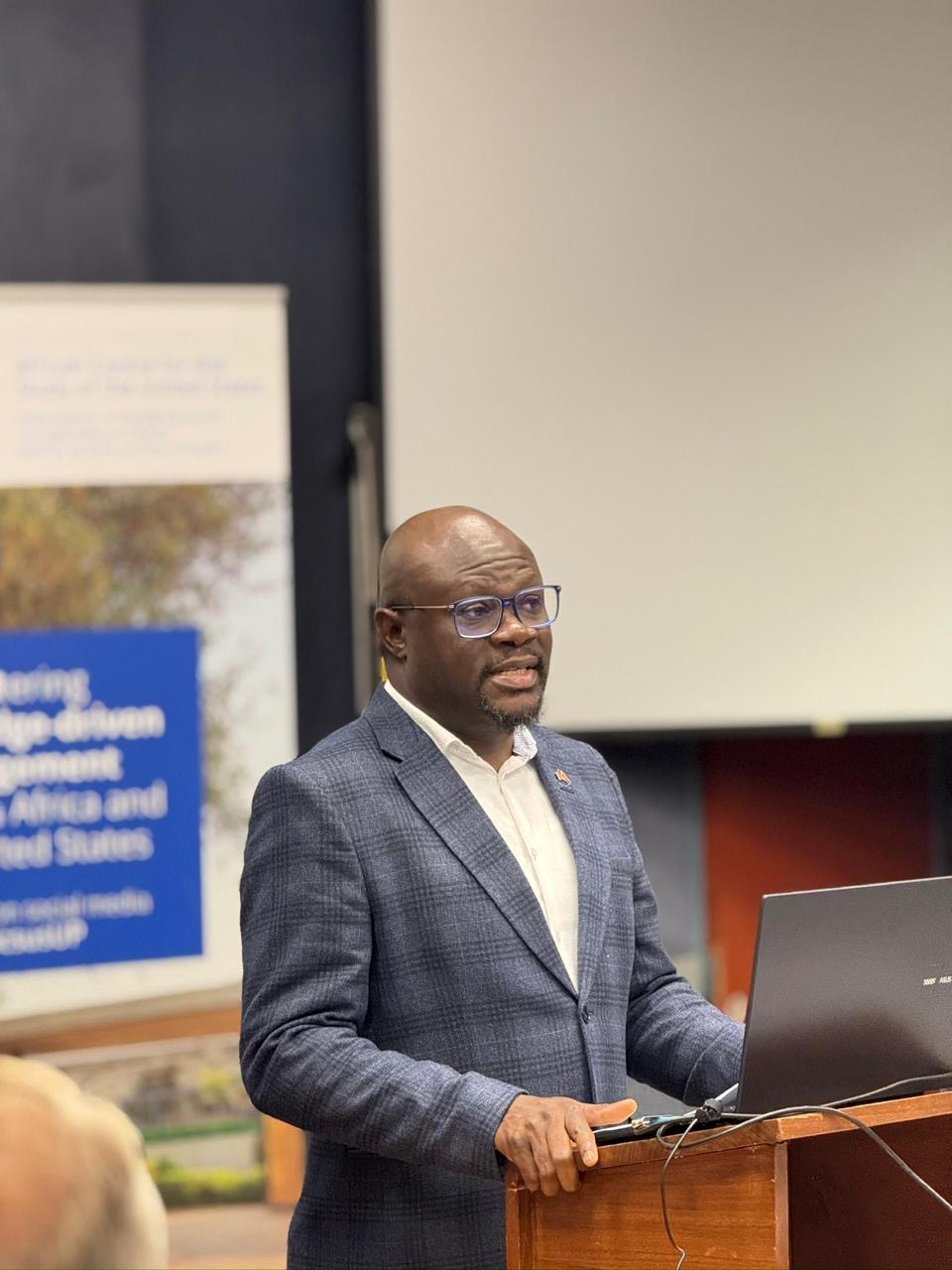
Xenophobic attacks erode South Africa’s soft power — Expert
Prof. Christopher Isike, an African affairs expert, says attacks on fellow Africans by South Africans are diminishing the country’s soft power and regional leadership credentials.
Isike, a Professor of African Politics and International Relations at the University of Pretoria, said this in a telephone interview with the hotnewsroundup.com from Pretoria, South Africa.
He said there was no justification for Africans attacking fellow Africans, noting that such actions undermine South Africa’s image as a leading voice on the continent.
“For South Africa, it subtracts from its soft power. The country presents itself as a sub-regional leader in the Southern African Development Community (SADC) and as a continental gateway,” he said.
He added that South Africa’s membership of global and emerging economic blocs, including BRICS and the G20, further raises expectations about its role as a regional leader.
“The question South Africa must answer is how it intends to sustain that leadership position while it is unable to accommodate other Africans within its borders,” he said.
According to Isike, the persistence of such attacks is partly due to inadequate response from authorities, including failure to consistently prosecute perpetrators.
He stressed that all stakeholders must recognise that xenophobic violence is unacceptable and detrimental to national and continental interests.
The expert noted that South Africa benefits significantly from migrant skills and stands to gain more under the African Continental Free Trade Area (AfCFTA), given its industrialised economy.
“If South Africa fully understands this, it should not allow such behaviour to continue, as it risks losing the benefits of regional economic integration,” he said.
Isike warned that continued attacks could lead to economic and diplomatic consequences, including reduced cooperation from other African countries.
He also referenced existing trade pressures, including challenges linked to the African Growth and Opportunity Act (AGOA) with the United States.
The don urged the South African government to intensify public education on the importance of regional integration and peaceful coexistence.
He also called on governments of affected nationals to take proactive steps to protect their citizens, citing Ghana’s response as an example.
Isike emphasised that South Africa’s progress depends on openness, noting that many South Africans live and work in other African countries.
He said an inward-looking approach would hinder the country’s growth and weaken its standing on the continent.
About The Author
















Leave a comment