

By : Chinasaokwu Helen Okoro
🇳🇬 Nigeria in Focus: Security, Economy, and Reform Efforts Dominate Headlines
Nigeria is currently at the center of major developments spanning security challenges, economic reforms, and renewed efforts to strengthen its global standing.
As Africa’s most populous nation, events unfolding in the country continue to shape both regional stability and continental progress.
Rising Security Concerns Across Regions
In recent days, reports of violent attacks and kidnappings have intensified concerns about security in parts of northern and central Nigeria. Armed groups, often described as bandits, have carried out raids on rural communities, leading to casualties and displacement of residents.
In the northeast, the long-running insurgency linked to Boko Haram and its splinter factions remains a threat, despite sustained military operations.
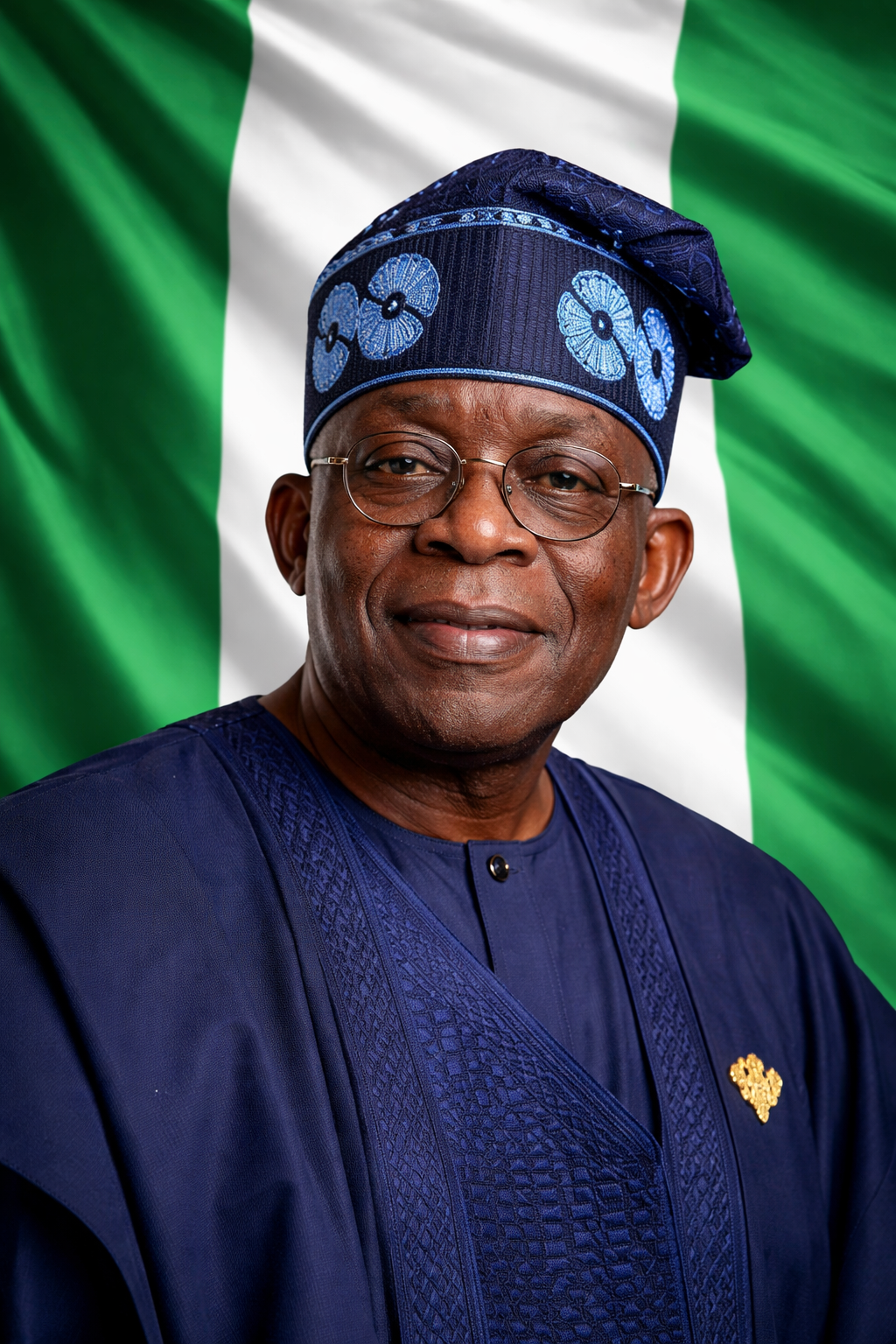
Authorities under President Bola Ahmed Tinubu have reiterated their commitment to tackling insecurity, deploying additional troops and investing in intelligence gathering.
However, analysts say that deeper structural issues such as unemployment, poverty, and weak local policing continue to fuel unrest.
Economic Reforms and Mixed Reactions
On the economic front, Nigeria is undergoing significant reforms aimed at stabilizing public finances and attracting foreign investment.
The administration of Bola Ahmed Tinubu has introduced policies such as fuel subsidy removal and exchange rate unification. While these measures are designed to improve long-term economic sustainability, they have also led to short-term hardship for many Nigerians due to rising fuel prices and inflation.
The Nigerian naira has experienced fluctuations against major currencies, reflecting ongoing adjustments in the foreign exchange market.
Businesses have faced increased costs, while households grapple with a higher cost of living.
Despite these challenges, government officials argue that the reforms are necessary to prevent economic collapse and restore investor confidence.
Push for Infrastructure and Global Partnerships
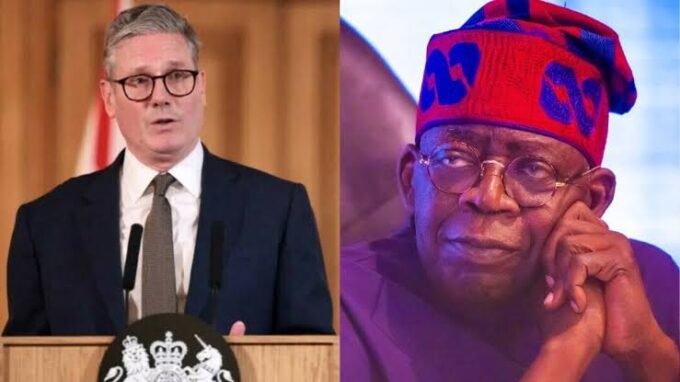
Nigeria is also making strides to position itself as a regional economic powerhouse. Recent engagements with international partners, including the United Kingdom, have focused on boosting trade, infrastructure development, and investment in key sectors such as energy and transportation.
Major infrastructure projects, including port modernization and railway expansion, are being prioritized to enhance connectivity and facilitate commerce.
These initiatives are expected to create jobs and improve Nigeria’s competitiveness in the global market.
Political Climate and Public Sentiment
Politically, the atmosphere remains dynamic following the 2023 general elections. Opposition parties continue to scrutinize government policies, particularly on economic management and security.
Civil society organizations have also been vocal, calling for greater transparency and accountability in governance.
Public sentiment is mixed. While some Nigerians support the government’s reform agenda as a necessary step toward long-term growth, others express frustration over the immediate impact on living standards.
Protests and advocacy campaigns have emerged in some urban centers, reflecting growing demand for relief measures.
Looking Ahead
Nigeria stands at a critical juncture. Its ability to address security challenges while managing economic reforms will be key to maintaining stability and unlocking its vast potential. With a young and dynamic population, abundant natural resources, and strategic importance in Africa, the country’s trajectory remains one to watch closely.
As the government continues to implement its policies, the coming months will be crucial in determining whether Nigeria can successfully balance reform with social stability, and translate its ambitions into tangible improvements in the lives of its citizens.
About The Author















Leave a comment