

By : Chinasaokwu Helen Okoro
Gowon Reflects on Aburi Accord and Nigeria’s Unity
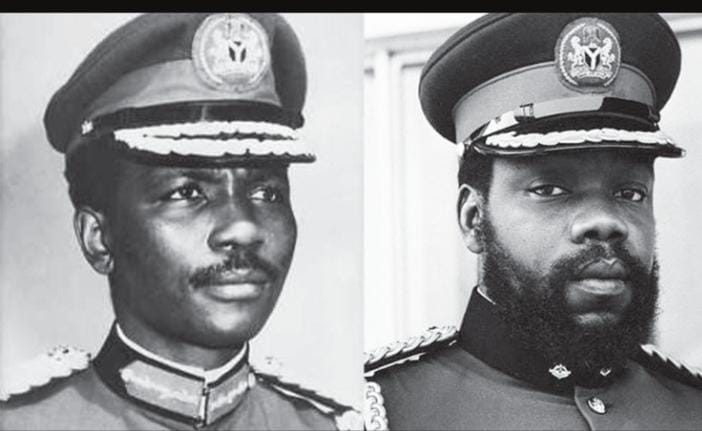
Nigeria’s former Head of State, Yakubu Gowon, has reignited debate over the historic Aburi Accord, insisting that the Eastern Region misrepresented the agreement and contributed to the misunderstanding that eventually deepened Nigeria’s political crisis before the civil war.
His remarks have reopened old wounds and revived national discussions about trust, history, and responsibility.
Speaking during a television interview, Gowon argued that the understanding reached during the January 1967 meeting in Aburi, Ghana, was later interpreted differently by the Eastern leadership under Chukwuemeka Odumegwu Ojukwu. According to him, the Eastern Region promoted an interpretation that suggested regional authorities should possess extensive control over military structures, a position he said threatened national unity.
Gowon maintained that while the meeting was meant to restore peace and trust, disagreements over implementation widened suspicion between both sides.
The Aburi meeting was convened at a tense moment in Nigeria’s history following the political instability that emerged after the military coups of 1966 and violent ethnic unrest across parts of the country. Leaders gathered in Ghana in what many historians describe as a final attempt to preserve Nigeria’s fragile unity and avoid a deeper national crisis. Delegates discussed military restructuring, constitutional arrangements, and regional concerns with hopes of rebuilding confidence among divided regions.
Gowon explained that although goodwill existed during the discussions, confusion reportedly arose when different sides returned home and interpreted the agreement differently. He claimed that Ojukwu’s position placed emphasis on regional authority over armed forces within each territory, something the federal side reportedly considered difficult to accept because of fears that Nigeria could become dangerously fragmented. Gowon stressed that his intention at the time was to preserve national unity and prevent total disintegration.
However, Gowon’s comments have sparked criticism from several groups and commentators who insist the Eastern Region was unfairly blamed for the collapse of the accord.Some critics argue that the federal government later stepped away from the spirit of the agreement, thereby worsening mistrust and pushing Nigeria toward conflict. Organisations and commentators have accused Gowon of revisiting history in a way they believe overlooks federal failures and the fear experienced by Easterners during that turbulent period.
The disagreement over the Aburi Accord remains one of the most controversial issues in Nigeria’s post-independence history. While some believe the agreement represented the country’s last realistic chance at peace, others argue it contained ambiguities that made future misunderstandings almost inevitable. More than five decades after the outbreak of the Nigerian Civil War, emotions surrounding the failed negotiations still shape political and ethnic conversations across the country.
For many Nigerians, the renewed debate is more than an argument over history—it is a reminder of unresolved questions about justice, leadership, and national unity. As fresh interpretations continue to emerge, the Aburi Accord remains a symbol of both missed opportunity and enduring controversy in Nigeria’s political memory. Whether Gowon’s account is accepted or disputed, one fact remains clear: the lessons of history continue to echo through the nation’s present
About The Author



















Leave a comment