

US Assures Gulf States of Free Access Through Hormuz
The United States has reaffirmed its commitment to keeping the Strait of Hormuz open to international shipping, as concerns grow among Gulf nations over the implications of Washington’s recent ceasefire agreement with Iran.
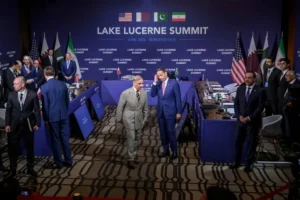
US Secretary of State Marco Rubio, speaking during a visit to the Gulf region, said no country has the authority to impose charges on vessels using the strategic waterway.
He stressed that freedom of navigation remains protected under international law and would continue to be defended by the United States.
Rubio’s comments come amid uncertainty surrounding the 60-day ceasefire reached between Washington and Tehran, which temporarily guarantees unrestricted passage through the strait, a key route for global energy exports.
The agreement has generated mixed reactions across the Gulf. While some countries welcomed efforts to ease tensions, others remain concerned that Iran could emerge economically stronger if billions of dollars in frozen assets are released as part of the deal.
Questions have also been raised about future discussions on the administration of the Strait of Hormuz.
Iranian officials have indicated that talks involving Oman and other Gulf states could take place after the ceasefire period ends, fuelling speculation about possible changes to how the waterway is managed.
Rubio sought to calm those fears, insisting that the United States expects the strait to remain accessible to all nations without additional fees or restrictions.
Beyond maritime concerns, disagreements persist over Iran’s missile programme and nuclear activities.
Tehran has maintained that its ballistic missiles are not open for negotiation, while Iranian officials have also pushed back against claims that a deal has been reached on the return of international nuclear inspectors.
As diplomatic contacts continue, Washington is attempting to reassure its regional partners that any lasting arrangement with Iran will take into account the security interests of Gulf states and the stability of one of the world’s most strategically important waterways.
About The Author













Leave a comment