

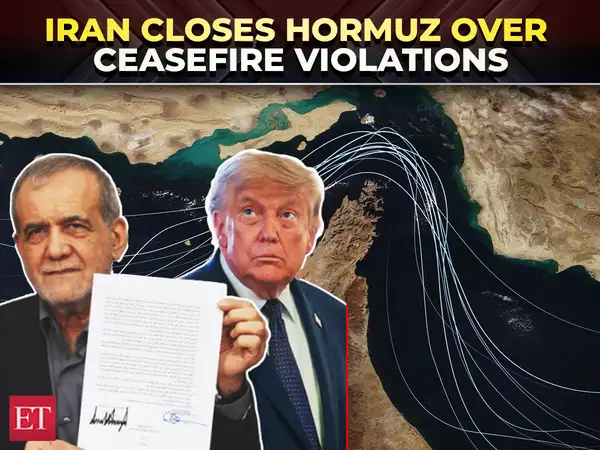
Iran Alleges Ceasefire Violations, Orders Closure of Strait of Hormuz
Iran has accused the United States and Israel of failing to respect the terms of a recently negotiated ceasefire, claiming actions by both countries are jeopardising efforts to ease tensions in the Middle East.
The accusations surfaced as Tehran announced the closure of the Strait of Hormuz, a crucial maritime route for global energy shipments, and criticised Israel over continued military operations in Lebanon despite the ceasefire agreement.
Iranian Foreign Ministry spokesman Esmail Baghaei said the government would use forthcoming talks in Switzerland to seek assurances that commitments made by Washington under a 14-point agreement signed earlier this week are fully implemented.
Baghaei stated that Iran’s delegation would attend the meeting in Bürgenstock with a clear objective: to hold the United States accountable for its obligations under the deal.
Pakistan, which helped facilitate diplomatic contacts between the two sides, has confirmed that representatives from both countries are expected to participate in the discussions.
According to the Iranian spokesman, Tehran believes several key provisions of the agreement remain unfulfilled, making it difficult to move toward a broader and lasting settlement.
He said talks on a final accord could only proceed once important sections of the agreement had begun to take effect and were being consistently enforced.
Iran maintains that those conditions have not yet been met and intends to raise the issue directly with American officials during the Switzerland meeting.
The dispute has added fresh uncertainty to a ceasefire that many observers already viewed as fragile.
Regional analysts warn that continued disagreements over implementation could undermine diplomatic progress and increase the risk of renewed confrontation.
Meanwhile, the US Central Command rejected suggestions that shipping through the Strait of Hormuz had been disrupted, saying commercial traffic was continuing normally and that dozens of vessels had safely passed through the waterway.
The Strait of Hormuz remains one of the world’s most strategically important sea lanes, serving as a key route for oil and gas exports from the Gulf.
Any prolonged restrictions could have far-reaching consequences for global energy supplies and international trade.
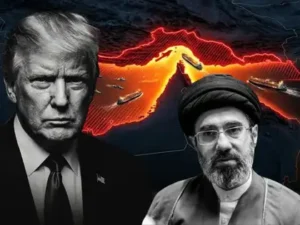
Diplomatic attention is now focused on the Switzerland talks, where both sides will attempt to salvage the ceasefire and prevent the latest tensions from escalating into a broader regional crisis.
About The Author


















Leave a comment