

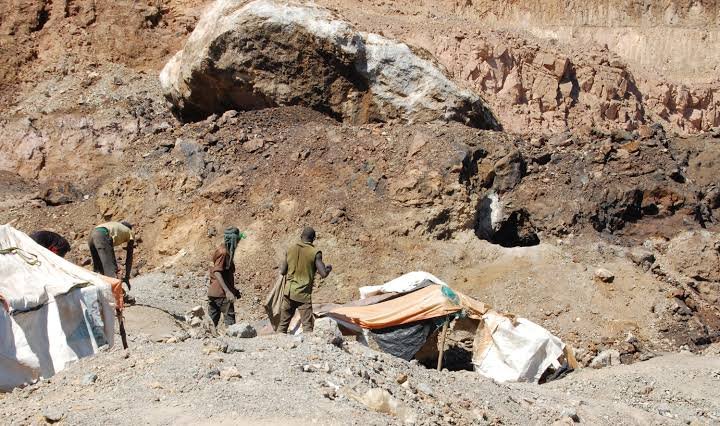
Congo Turns to Local Processing With Copper and Cobalt Export Ban
The Democratic Republic of Congo has introduced a nationwide ban on the export of copper and cobalt concentrates as it steps up efforts to process more of its mineral resources at home and secure greater economic value from its mining industry.
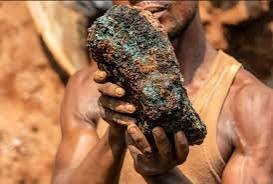
The government order, reviewed by Reuters, took effect immediately and reflects Kinshasa’s determination to move beyond the export of semi-processed minerals by encouraging companies to refine more of their output within the country before selling it abroad.
Under the new policy, export permits may still be granted for up to one year in strategic circumstances, although the government did not outline the criteria that would qualify companies for such exemptions.
Authorities said the decision is intended to promote the production and export of minerals with higher added value, strengthen domestic processing capacity and increase the benefits the country derives from its vast reserves of copper and cobalt.
The directive was signed by Mines Minister Louis Kabamba Watum, Foreign Trade Minister Julien Paluku Kahongya and Economy Minister Daniel Mukoko Samba.
It also establishes a new tax framework for economically significant mining by-products, with a three-month transition period before the levy is fully enforced.
The Democratic Republic of Congo is the world’s largest producer of cobalt and one of the leading global suppliers of copper, making the country a key player in industries that depend on critical minerals, including electric vehicle manufacturing, battery production and renewable energy technologies.
The latest measure replaces an earlier export framework introduced in 2023 and follows similar restrictions adopted in 2013 and 2019.
Previous bans included temporary waivers where local smelting capacity was unable to meet production demands.
News of the government’s decision also drew a swift reaction from international commodity markets. Copper prices on the London Metal Exchange climbed after Reuters reported the policy before giving up part of those gains later in the trading session.
Despite the announcement, analysts believe the immediate impact on the mining sector may be modest because most of Congo’s copper is already exported as refined metal rather than concentrate.
However, operations that still depend on concentrate exports are expected to face greater adjustments under the new rules.
Among the companies likely to be affected is the Kamoa-Kakula mining project, jointly owned by Ivanhoe Mines, China’s Zijin Mining and the Congolese government.
The venture has continued to export part of its concentrate production under previous exemptions, although neither the companies nor the Congolese Chamber of Mines had commented on the new directive at the time of reporting.
The latest policy marks another step in Congo’s long-term strategy to build a stronger domestic minerals industry, retain more wealth from its natural resources and position itself more competitively in the rapidly expanding global market for critical minerals.
About The Author
















Leave a comment