


By: Chioma Madonna Ndukwu
Africa’s Talking Drum: The Kingdom That Ate Its Seeds
In the fertile valley of Koroma, the people were known across the continent for one thing, abundance.
Their farms stretched farther than the eye could see. Their granaries overflowed after every harvest. Travelers passing through Koroma often said:
“This is a kingdom that will never know hunger.”
At the center of the valley stood the Great Seed House, guarded carefully by generations of elders. Inside were the finest seeds from every harvest—protected not for the present, but for the future.
“The day we eat these seeds,” the elders always warned, “is the day we begin to consume tomorrow.”
For many years, the kingdom respected this wisdom.
Then King Cheetah took the throne.
Unlike the rulers before him, Cheetah hated patience.
He wanted quick glory, loud celebrations, and endless praise.
“Why should we keep food hidden away while people desire luxury today?” he asked during a royal gathering. “A great kingdom must display its wealth.” The crowd cheered.
Soon, grand feasts were held every moon. The palace hosted endless festivals. Foreign visitors arrived to admire Koroma’s extravagance.
At first, the people celebrated happily. But slowly, the granaries began to thin. The royal advisers grew nervous.
“We must reduce spending,” warned old Tortoise. “The next planting season is approaching.”But King Cheetah refused. “Tomorrow will take care of itself,” he laughed.
Then came the terrible season of drought. The rains delayed. Crops failed. Farmers rushed to the Great Seed House, only to discover it nearly empty.
The sacred reserve meant to secure the kingdom’s future had been consumed during years of careless celebration.
Fear spread through Koroma. The markets fell silent. Families rationed what little remained. Even the palace fires burned smaller each night.
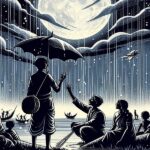
One evening, as hungry villagers gathered beneath the fading light, an old farmer lifted a single dry seed into the air.
“This,” he said quietly, “was never meant to satisfy today’s hunger. It was meant to protect tomorrow’s survival.”
No one spoke. For the kingdom finally understood its mistake. They had traded long-term security for short-term applause. And the cost was now before them all.
The years that followed were difficult. The people rebuilt slowly, planting carefully, saving wisely, and learning once again that prosperity means little without discipline.
By the time abundance returned to Koroma, the story of the empty Seed House had become a warning passed down to every child.
Moral: A society that consumes its future for temporary comfort may eventually face hardship it can no longer escape.
Why do people and leaders sometimes sacrifice long-term stability for short-term success or praise?
About The Author



















Leave a comment