

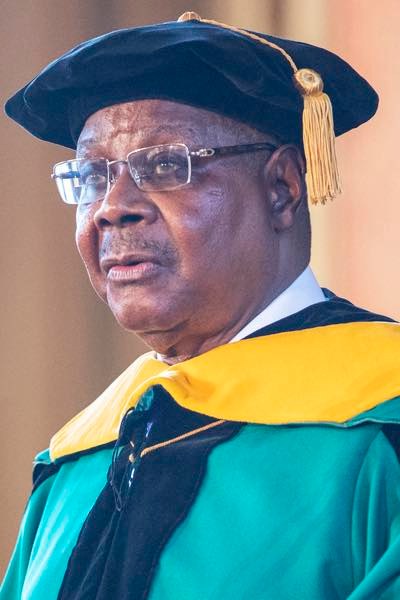
Malawi appears to have witnessed a dramatic political reversal. Peter Mutharika, who lost the presidency in 2020 after a court-ordered re-run, has now reclaimed power by defeating the incumbent, Lazarus Chakwera.
Mutharika governed from 2014 to 2020, winning against Joyce Banda and Chakwera with just over 36 percent of the vote. His tenure saw infrastructure growth, reduced inflation, and an expansive borrowing agenda, especially through Chinese loans. Yet his administration was also marked by recurring power cuts, food shortages, and persistent allegations of corruption.
The 2020 election reversal remains etched in Malawi’s collective memory. Judges annulled Mutharika’s re-election after finding widespread tampering such as the use of correction fluid on result sheets. In a watershed moment, the court ordered a fresh election, which Chakwera won with nearly 59 percent of the vote. That decision earned international praise for defending judicial independence over executive power.
Mutharika’s return is powered by economic frustration. Since he left office, inflation has crossed 30 percent, foreign reserves have dwindled, and floods and droughts have hammered farmers. Cyclone Freddy deepened those vulnerabilities. During his campaign, Mutharika appealed directly to citizens suffering hardship, speaking in Chichewa: “Munandisowa eti? Mwakhaula eti?” “You miss me, right? You have suffered, right?”
Yet his comeback raises crucial questions. At age 85, his health and stamina are under scrutiny. He rarely appeared publicly on the campaign trail, unlike Chakwera, who campaigned aggressively. Political analysts now ask whether Mutharika can tackle Malawi’s structural challenges or if nostalgia will prove a fragile foundation.
The shift also signals something broader in African politics. Voters are showing they will not let years of disillusionment cement a leader’s hold. Leadership, once seen as tenure for life, is becoming a contract renegotiated at the ballot box. Mutharika’s return is not just about one man; it is proof that electorates are rediscovering their power.
Now, the burden is on President Mutharika to deliver. Malawi will watch closely whether his return brings renewed stability, disciplined governance, and meaningful economic relief, or whether promises of restoration fade into the same patterns of disappointment.
About The Author










Leave a comment