

By Ollus Ndomu
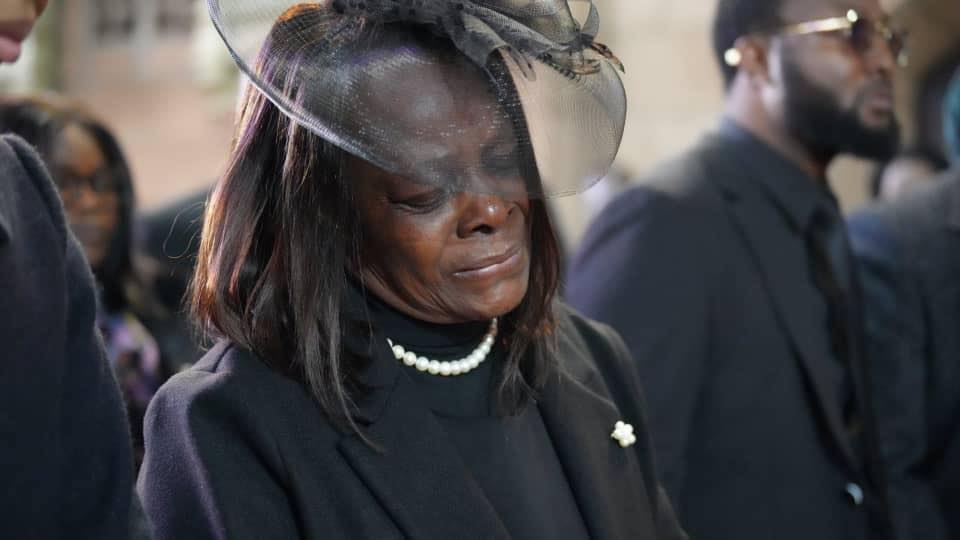
What began as a family decision over where to bury Zambia’s late former President Edgar Lungu has erupted into a diplomatic and political flashpoint, laying bare the fragile balance of memory, migration, and modern Pan-African identity.
At the center of the storm is the refusal by South African civic groups to allow Lungu’s burial on their soil, citing national sovereignty and fears of their country becoming “a haven” for leaders evading justice. The backlash, led by the Progressive Forces of South Africa, has triggered sharp responses across the border, where Zambians recall decades of solidarity during the anti-apartheid struggle.
“South Africa is what it is because Zambia stood up when it mattered,” one Zambian wrote on Facebook. “Now they say our president’s body must leave? That is not gratitude.”
The protests, however, were not without rationale. South African campaigners say the issue transcends politics and touches national values. “When a person of Mr Lungu’s stature is buried here, whose flag are we lowering?” asked Rachel Makhubele of Defend SA. Others warned of a dangerous precedent that blurs lines between sanctuary and impunity.
The late president’s family insists that Johannesburg was Lungu’s place of choice, given his ties to the city and concerns about political instability at home. But civic voices like Bonang Sepoloane counter that this signals a “test of national values,” accusing Lungu’s allies of exploiting South Africa’s hospitality.
Zambia’s opposition Patriotic Front party has pushed back strongly, calling the protest movement “a rented crowd” allegedly aligned with the ruling UPND government. Former Minister Chushi Kasanda accused them of “weaponising grief to advance a political agenda.” So far, no clear evidence links the protestors to Lusaka.
President Hakainde Hichilema has urged calm and dignity, while remaining tight-lipped on official policy. But pressure is mounting on both governments to contain what has become a public relations challenge with regional implications.
Analysts say the saga is a mirror reflecting deeper anxieties. For South Africa, public frustration over immigration, crime, and elite privilege is boiling over. For Zambia, the burial debate touches on sovereignty, historical sacrifice, and national pride.
What began as funeral logistics has evolved into a geopolitical symbol. The Pretoria High Court will now decide where Edgar Lungu is finally laid to rest. But for many on both sides of the Limpopo, this has already become a defining test of what African dignity, memory, and unity truly mean in a new political era.
About The Author









Leave a comment