


Sudan Records Stronger-Than-Expected Gold Performance in First Half of 2026
Sudan has exceeded its gold production and revenue targets for the first six months of 2026, underscoring the mining sector’s growing role in supporting the country’s economy.
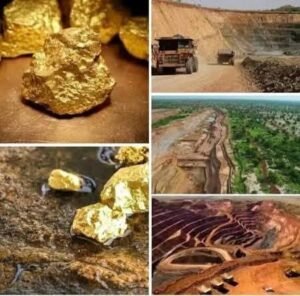
The Sudanese Mineral Resources Company (SMRC), the government agency responsible for regulating the mining industry, announced that gold production and related revenues reached 111 percent of projections during the period.
The agency also disclosed that proceeds from gold exports between January and June had already climbed to 80 percent of the total export earnings recorded throughout 2025.
The announcement was made after a management review meeting led by the company’s Director-General, Mohamed Taher Omer, where officials assessed the sector’s performance and outlined priorities for the months ahead.
SMRC said it is accelerating efforts to modernise mining operations through digital technology. The agency has introduced electronic systems for technical and administrative processes and launched a digital platform to monitor the movement of gold.

The tracking system is connected to the national civil registry to improve transparency, strengthen oversight, and curb illegal activities within the industry.
The company reported that compliance with safety and environmental regulations has improved, reaching 70 percent in organised mining operations and 54 percent among traditional miners.
Omer credited the progress to the commitment of workers, industry stakeholders, and security agencies, whose collaboration has helped maintain stability in mining communities.
He said the company would continue expanding digital monitoring and intensify efforts to improve safety and environmental standards across the sector.
Gold is one of Sudan’s most valuable natural resources and remains a major source of export earnings and foreign exchange.
The country depends heavily on artisanal or traditional mining, which produces about 80 percent of its gold, while organised commercial mining accounts for the remaining 20 percent.
Most mining activities are concentrated in the River Nile, Northern, and Red Sea states. Despite its economic importance, traditional mining has long been associated with dangerous working conditions, including mine collapses, unsafe shafts, and illegal excavation.

These hazards have resulted in repeated fatalities, prompting authorities to close high-risk mining sites and promote safer mining practices through public awareness campaigns.
About The Author

















Leave a comment