

By : Chinasaokwu Helen Okoro
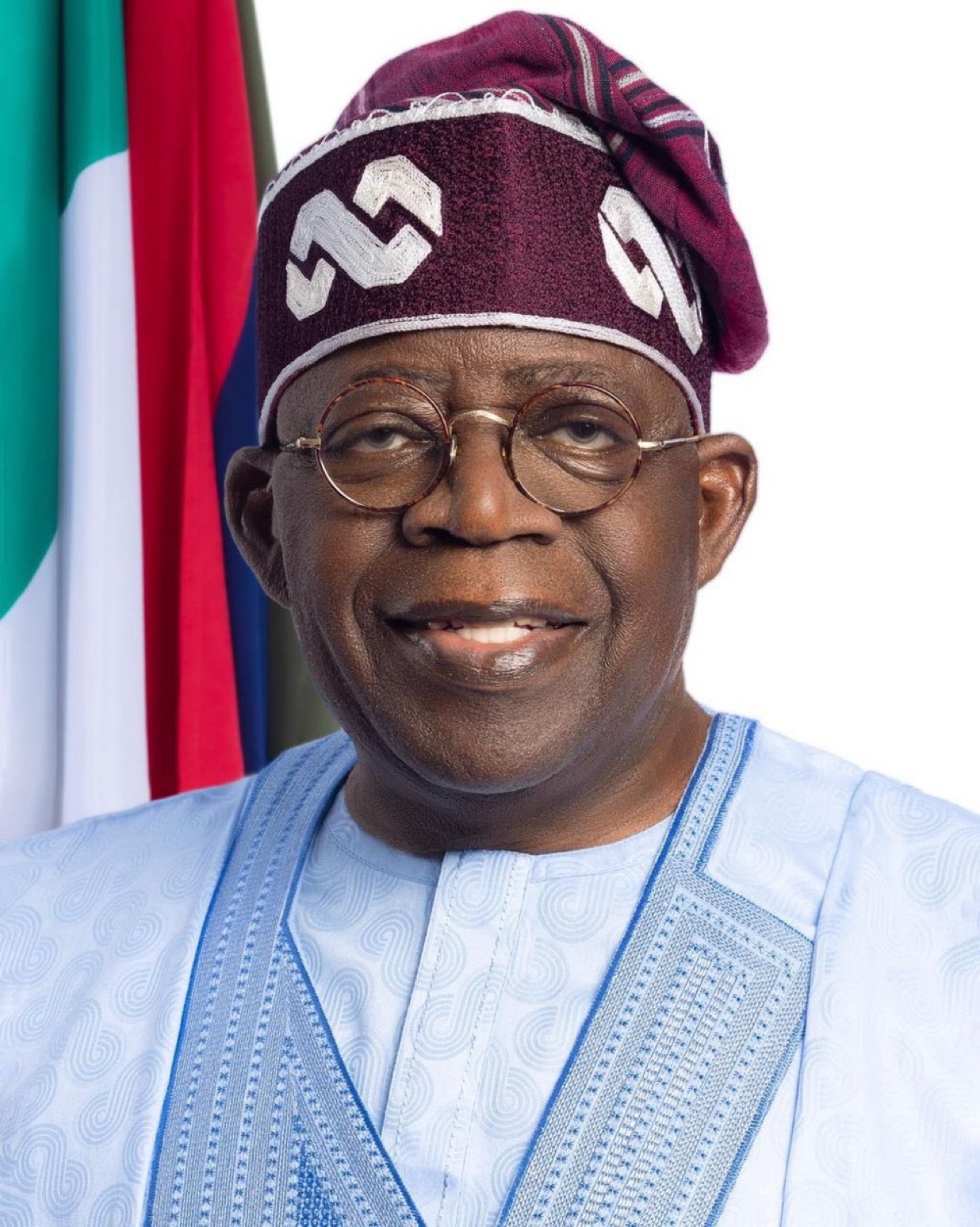
Tinubu Orders Withdrawal of VIP Police Escorts as Nigeria Refocuses on Core Security Duties
President Bola Ahmed Tinubu has ordered an immediate overhaul of security deployment across Nigeria, directing the withdrawal of police officers currently assigned to guard Very Important Persons (VIPs). The directive, which has sparked intense debate among politicians, business elites, and civil society groups, is aimed at restoring the police to their “core constitutional responsibilities” amid rising insecurity nationwide.
For years, a significant portion of Nigeria’s police force has been attached to private individuals—politicians, business executives, clerics, and even entertainers—leaving communities grossly understaffed. According to security analysts, nearly a third of the nation’s police personnel are engaged in VIP protection duties, creating a long-standing imbalance in public safety operations.
Tinubu’s order seeks to correct this. In a statement released late Tuesday, the Presidency said the measure was “necessary for rebuilding public trust, strengthening police presence in Nigerian communities, and improving the country’s overall security architecture.”
Inspector-General of Police Kayode Egbetokun has been instructed to commence the withdrawal process immediately and redeploy officers to frontline operations, including patrols, intelligence gathering, rapid response units, and community policing. A task force within the police hierarchy has also been set up to enforce compliance and address potential resistance from VIPs accustomed to special security privileges.
Reaction to the decision has been swift and varied. Some praised the move as “long overdue,” especially given the increasing rate of kidnappings and the persistent threat posed by armed groups across many states. “This could help return thousands of officers to the streets, where they are needed most,” said Dr. Matthew Ogunbiyi, a security policy expert. “Nigeria has been under-policed for too long because our officers were busy protecting individuals instead of the public.”
In Lagos, residents expressed cautious optimism. “If this will increase patrols in our neighborhoods, then it’s a welcome development,” said a shop owner in Ojodu. “But the government must ensure those officers are properly equipped and monitored.”
However, not everyone is pleased. Some lawmakers and business leaders privately complained that the sudden withdrawal could expose them to threats, especially those who have faced previous security challenges. A senior politician who requested anonymity said, “The timing is tough. Politicians are often targets. The government must create a transition plan that doesn’t put us at risk.”
Sources within the police also hinted at potential internal pushback, noting that VIP protection has long been seen as a lucrative assignment for officers. “Many policemen prefer VIP duty because of the allowances,” an officer in Abuja said. “Taking that away without addressing welfare issues may create dissatisfaction.”
To address this concern, the Presidency announced that new welfare measures, including improved insurance, operational vehicles, and better working conditions, are being developed to support officers returning to frontline duty. The government is also exploring the establishment of a separate, fully trained VIP Protection Unit—similar to those in other countries—to handle high-risk individuals without draining mainstream policing resources.
Security analysts say the success of Tinubu’s policy will depend on strict enforcement and transparency. In the past, similar reforms were announced but poorly implemented, with VIPs using political influence to retain police protection. Civil society organizations are therefore calling for public tracking of deployment numbers and independent monitoring to ensure the directive is not reversed quietly.
As the nation awaits full implementation, many Nigerians are hopeful that the redirection of thousands of police officers back to their primary duties will help curb the growing wave of insecurity. Tinubu’s decision, bold and controversial, signals a shift toward rebuilding a police system that prioritizes the safety of ordinary citizens over the comfort of the privileged.
Whether this marks a turning point in Nigeria’s security landscape remains to be seen, but the message is clear: the era of widespread VIP policing may finally be coming to an end.
About The Author















Leave a comment