

By: Chioma Madonna Ndukwu
UN Raises Alarm as Global Climate Signals Reach Dangerous Levels
The United Nations has issued a stark warning over the state of the planet, describing the global climate as dangerously out of balance and edging toward crisis levels.
In its latest assessment, the World Meteorological Organization said the Earth is undergoing rapid and far-reaching changes driven largely by human activity.
The agency cautioned that the effects of these shifts could persist for centuries, with long-term consequences for ecosystems and human life.
The report highlights a surge in greenhouse gas emissions as a major driver of rising global temperatures, accelerating ice melt and intensifying weather patterns.
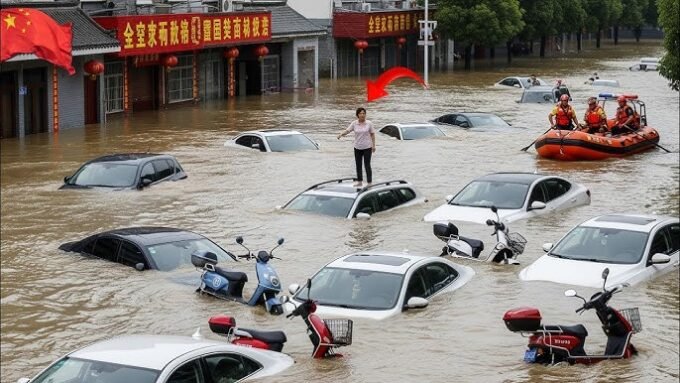
Over the past year, the world witnessed a wave of extreme events—including heatwaves, floods, droughts, wildfires and powerful storms—many of which resulted in loss of lives and significant economic damage.
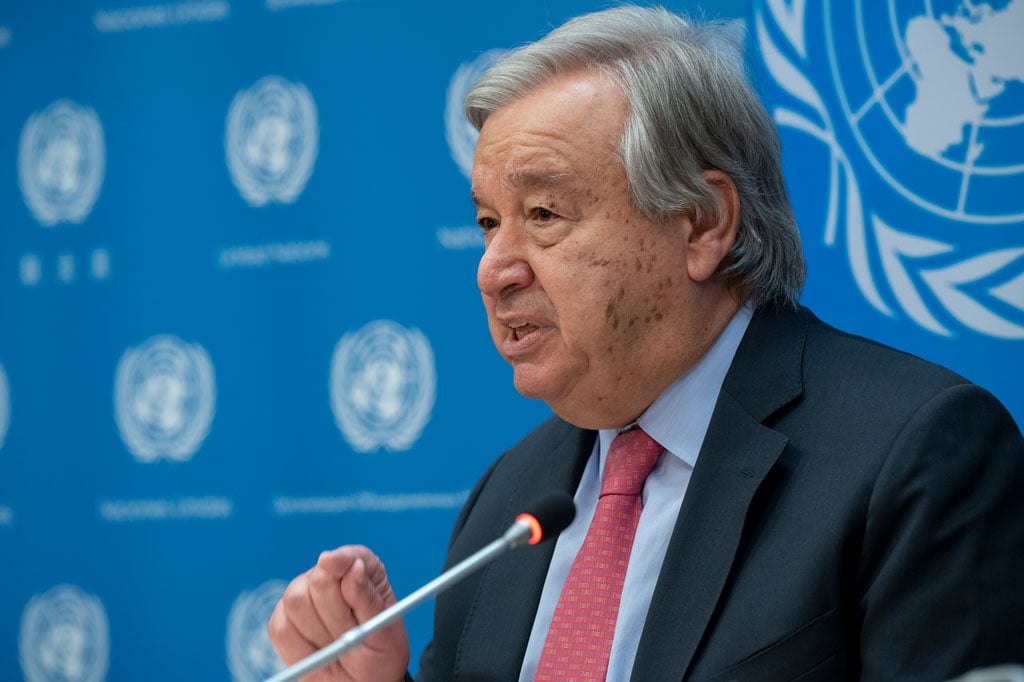
Speaking on the findings, UN Secretary-General Antonio Guterres described the situation as critical, warning that the planet is being pushed beyond safe limits. He noted that key climate indicators are worsening simultaneously, signaling a deepening global imbalance.
Data from the report shows that the past decade has been the hottest ever recorded, with recent temperatures nearing the critical 1.5°C warming threshold—beyond which climate impacts are expected to become more severe and harder to manage.
The assessment also points to a growing energy imbalance on Earth, alongside rising ocean heat levels, which absorb the majority of excess global warmth.
Concentrations of gases such as carbon dioxide, methane and nitrous oxide have now reached levels unseen in hundreds of thousands of years.
According to WMO chief Celeste Saulo, human influence is increasingly disrupting the planet’s natural systems, making extreme weather more frequent and intense.
Despite the alarming trends, the report stresses the importance of strengthening early warning systems and climate services to help communities better prepare for and respond to the escalating risks.
About The Author




















Leave a comment