


By: Chioma Madonna Ndukwu
World Bank Warns: 139 Million Nigerians Still Poor Amid Economic Reforms
Despite a series of bold economic reforms by the Federal Government, the World Bank says poverty remains alarmingly high in Nigeria, with about 139 million people still living below the poverty line.
Speaking at the launch of the Nigeria Development Update (NDU) report in Abuja, the World Bank Country Director for Nigeria, Mathew Verghis, commended government efforts to stabilise the economy through fuel subsidy removal and exchange rate unification but warned that most Nigerians are yet to feel the impact of these measures.
“These reforms have set a foundation for long-term growth. Growth is rising, revenues are improving, and the foreign exchange market is stabilising. Yet, the reality is that many Nigerians are still struggling,” Verghis said.
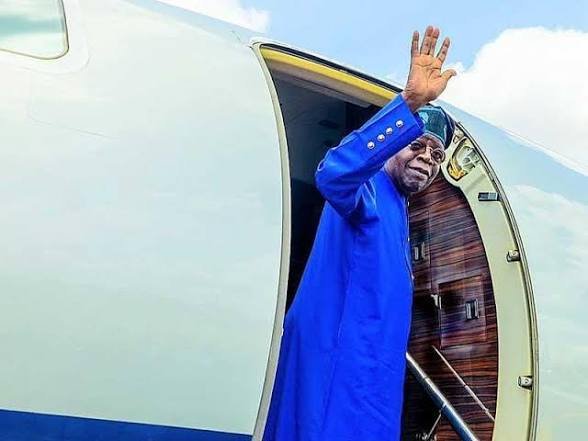
The Federal Government introduced major policy reforms beginning in 2023 under President Bola Tinubu’s administration. The reforms—particularly the removal of petrol subsidies and liberalisation of the foreign exchange market—were intended to strengthen the economy, attract foreign investment, and curb fiscal leakages.
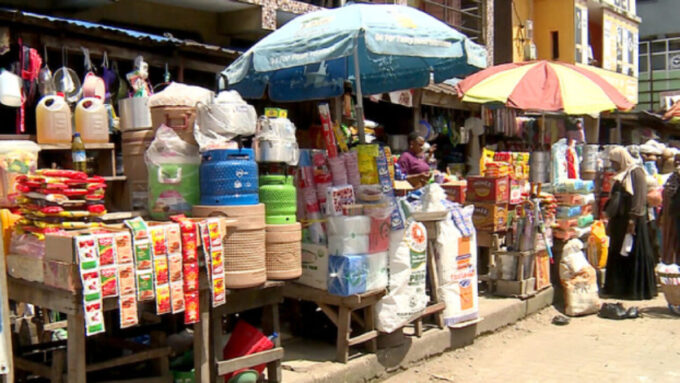
While these moves earned praise from international partners, they also triggered steep increases in fuel, transport, and food prices. The ripple effect has pushed millions into deeper poverty, eroding the purchasing power of households and sparking discontent across the country.
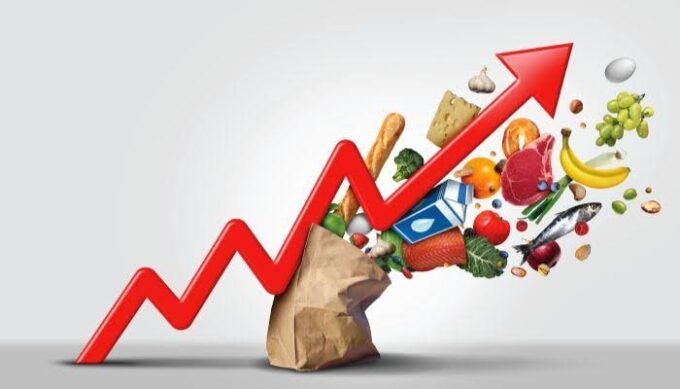
According to data from the National Bureau of Statistics (NBS), inflation has remained above 30% in food items, driving hunger and reducing the living standards of low-income earners.
Experts note that unless reforms are paired with social protection programmes, the benefits will remain concentrated among higher-income groups.
The World Bank raised alarm over rising food inflation and called for urgent steps to strengthen Nigeria’s shock-responsive safety net system — mechanisms that protect poor families during economic crises.
“Food inflation affects everyone, but it hits the poor the hardest,” Verghis said. “It can weaken political support for reforms and increase instability if not addressed quickly.”
He urged Nigerian authorities to combine tight monetary policy with deep structural reforms to fix supply constraints in agriculture, energy, and transportation — sectors that directly impact the cost of living.
The Bank’s report noted improvements in government revenue, debt management, and foreign reserves but stressed that macroeconomic stability alone does not guarantee prosperity. Sustained investment in human capital, job creation, and rural development, it said, would be crucial to reversing the poverty trend.
Analysts say the challenge before the Nigerian government is twofold: to keep the economy stable and to ensure that the gains of reform translate into food on the table for millions of citizens.
.
About The Author















Leave a comment