

By Ollus Ndomu
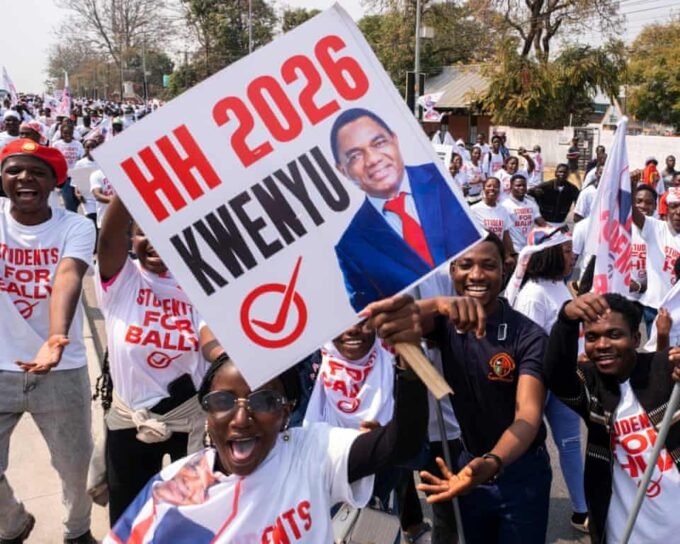
Lusaka felt tense this week. The governing party confronted its own shortcomings. The opposition pursued litigation instead of rallies. The former ruling party showed its fractures in public. And a prominent lawyer sharpened his critique from the digital frontline. Together, the movements mark a turning point in Zambia’s approach to politics as the calendar inches toward the 2026 general election. The centre of gravity is shifting. Pressure is rising. And accountability is becoming the battlefield.
 State House Shift — Hichilema Admits Failure on Energy
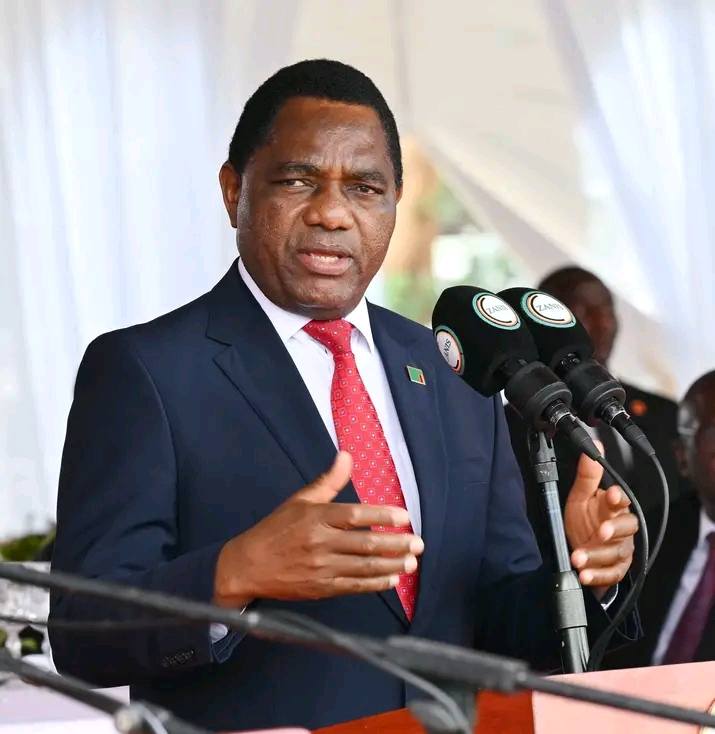
President Hakainde Hichilema broke from political orthodoxy and admitted failure on energy. Few sitting leaders acknowledge shortcomings in an election cycle. His statement was blunt.
“We must be honest with ourselves as government and as a people that we have failed to deal with energy in the way our economy demands.”
The admission followed weeks of criticism over load-shedding and slow renewable rollout. Zambia remains heavily dependent on hydropower, and climate-driven water shortages have exposed the fragility of that foundation. The president’s tone suggested urgency layered with frustration. The public now expects visible action, not policy language.
 Opposition Strategy — Kasonde Mwenda Goes to Court
The opposition seized the moment. Economic Freedom Fighters leader Kasonde Mwenda chose the courts, not rallies, filing suit against the government over the allegedly continued electricity exports to Botswana and Namibia while citizens endure outages.
His application stated that “While you the people of this Republic are forced to survive on a mere four hours of electricity daily, this government continues to export our precious energy to foreign countries.”
Hearing slated for November 26, his demand is clear. He wants the Energy Regulation Board ordered to suspend non-essential exports until domestic supply stabilises. The legal move signals a new form of opposition pressure: tactical, evidence-based and designed to force disclosures.
If the court entertains the matter fully, the administration may be required to reveal contractual details that have been largely undisclosed.
 PF Turmoil — Mwamba vs Mundubile in Public View
The Patriotic Front, once the undisputed governing force, remains in a combative internal struggle. Information Chief Emmanuel Mwamba issued a public order to halt campaigns and endorsements until the Central Committee authorises them.
“Stop illegal campaigns and illegal endorsements until Central Committee provides guidance and campaigns are officially open,” he insisted.
His framing was about discipline and reputation management. The image he wants to avoid is one of chaos. Instead, he triggered a public rebuttal.
Brian Mundubile, a leading contender for the party presidency, continued campaigning and was defended by party loyalists. One PF voice labelled Mwamba’s directive as “rubbish,” signalling that authority inside the party is now contested, not assumed.
 Convention Countdown — PF Faces a Survival Test
This week’s PF drama comes as the party prepares for a critical November convention. With several senior figures facing court cases, others in exile, and grassroots structures demanding fresh leadership, the contest has become a test of survival.
If the leadership race devolves into factional war, the party risks entering 2026 fractured and fatigued. If it emerges with a single message and a unified slate, it could rebuild momentum quickly. The outcome remains uncertain.
 Digital Surge — John Sangwa’s Growing Influence
Outside the formal party system, constitutional lawyer John Sangwa again shaped debate from the sidelines. His critique was unambiguous.
“President Hichilema cannot resolve Zambia’s challenges even if given a second term.”
Sangwa has grown into a digital-era political force, attracting younger audiences who are increasingly sceptical of traditional party hierarchies. His challenge is not relevance but machinery.
Online traction needs ground structures, coordinators, and polling-station presence. Zambia’s elections are won in compounds, markets, bus terminals and rural networks, not only through trending videos.
For now, Sangwa sits between influence and infrastructure.
 Youth Axis — Rising Generation Demands Competence
Zambia’s political space is also experiencing a generational shift. Youth engagement is intensifying, not just around personalities but around power, services and accountability. Load-shedding is not abstract. It affects schoolwork, micro-businesses, farming logistics, food preservation and digital livelihoods.
Energy failures do not only threaten growth. They create political mood swings. The younger electorate demands competence, not loyalty speeches.
 Where Zambia Stands
The week closes with four distinct signals. A president acknowledging policy failure. An opposition deploying the courts as a battleground. A former ruling party struggling to police its internal arena. And an outsider voice gaining emotional traction among first-time and second-time voters. The road to 2026 will be shaped by how each camp converts rhetoric into structure and structure into votes. For now, the mood is clear. Zambia is entering the accountability phase of its democratic moment.
About The Author








Leave a comment