

By Chinasaokwu Helen Okoro
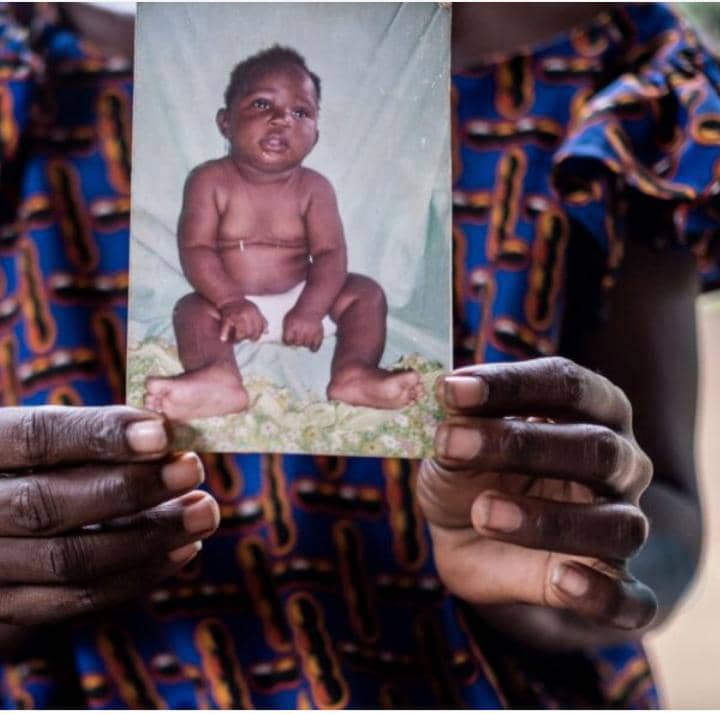
The death of a one-month-old baby girl, believed to be linked to female genital mutilation (FGM), has sparked widespread outrage in The Gambia.
The infant was rushed to a hospital in the capital, Banjul, on Sunday after suffering severe bleeding. Police said she was pronounced dead on arrival. While autopsy results are pending, many in the country have attributed her death to complications from FGM.
Women’s rights activist Fatou Baldeh condemned the practice, calling it “a brutal, senseless act” in a post on X. “Shame on anyone pushing to decriminalise this violence. FGM is not culture, it’s cruelty,” she wrote.
Authorities confirmed that two women have been arrested in connection with the case.
Rights groups have renewed calls for stronger protection of children against FGM. Women in Liberation and Leadership, the organisation founded by Baldeh, described the incident as “a grave violation of the child’s fundamental human rights.”
Kombo North lawmaker Abdoulie Ceesay, whose district saw the tragedy, said the child’s death should serve as “a turning point” for the nation to recommit to safeguarding “every child’s right to life, safety, and dignity.”
The World Health Organization (WHO) defines FGM as “all procedures that involve partial or total removal of the external female genitalia, or other injury to the female genital organs for non-medical reasons.”
The Gambia criminalised FGM in 2015, yet enforcement has been weak, and the practice remains widespread. According to the UN, 75% of Gambian women and girls aged 15–49 have undergone some form of FGM.
In July 2024, parliament voted to uphold the ban after heated debate over a proposal to repeal it. The WHO estimates that more than 230 million women and girls worldwide have been subjected to the practice.
About The Author


















Leave a comment