Home News Africa Irodili in a One-on-One Conversation with Rock Yusuf: Speaking Truth to Power on Activism, Accountability, and Nigeria’s Future (Part One)
AfricaConflictCorruptionHumanitarianInternationalOpinionPeace Talks

Irodili in a One-on-One Conversation with Rock Yusuf: Speaking Truth to Power on Activism, Accountability, and Nigeria’s Future (Part One)

Share
Share

At a time when Nigeria faces deep political, social, and security challenges, voices of activism have become more important than ever. Rock Yusuf is one such voice, known for his consistent advocacy for democracy, accountability, and human rights.


In this Part One one-on-one conversation with Irodili, Rock Yusuf shares his views on Omoyele Sowore’s activism, Nigeria’s political leadership, insecurity, freedom of speech, and the role of social media activism. He also reflects on unity, diversity, and the responsibilities that come with speaking truth to power.


This conversation offers a straightforward look at Nigeria’s realities today, through the lens of an activist committed to change and justice.


Part Two will continue with a proper investigation into Nigeria’s future and take a closer look at Fulani bandits and terrorism, offering deeper insights and analysis.


CONVERSATIONS:

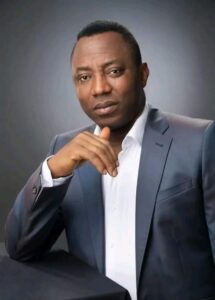
Irodili: You’ve publicly supported Omoyele Sowore for years. What specific moment or event made you fully commit to his activism, and how has your view of him changed or not over time?


Rock Yusuf: My commitment to Sowore’s activism stems from his unwavering dedication to democratic principles and human rights. His courage in challenging the Nigerian government, even in the face of persecution, deeply resonates with my values. Over time, my view of him has remained consistent, he has continued to demonstrate integrity, resilience, and a refusal to compromise on justice.


Irodili: Sowore leads the African Action Congress (AAC). Based on Nigeria’s current political landscape and his record, including the government’s legal actions against him, do you genuinely think he has a real shot at the presidency? Why?


Rock Yusuf: While predicting electoral outcomes in Nigeria is difficult, Sowore and the AAC have garnered significant grassroots support. His long-standing activism and willingness to challenge entrenched power structures appeal to many disaffected Nigerians seeking real change. Whether or not he wins, his candidacy continues to shift political conversations.


Irodili: You frequently criticise political figures like Reno Omokri, Nyesom Wike, and President Tinubu on social media. When you call them out, how do you personally determine that the issue is genuine wrongdoing and not just political bias?


Rock Yusuf: I rely strictly on verifiable evidence and public records. My goal is not personal attacks but accountability. Leaders must be questioned when their actions undermine good governance, democracy, or human rights.


Irodili: Influencers like VeryDarkMan (Martins Vincent Otse) also mobilise online activism. Some people view VeryDarkMan as inconsistent or overly dramatic in his rhetoric. Do you see similarities or differences between his style and yours? What’s your honest view of his impact?
Rock Yusuf: Our styles differ. I focus more on government actions and inactions, rather than private citizens, because many societal issues reflect governance failure. That said, VeryDarkMan’s activism has undeniably raised awareness on important issues. While his approach attracts criticism, his impact cannot be ignored.


Irodili: You often talk about insecurity and banditry. Nigeria has both criminal gangs and ideological insurgents like Boko Haram, which you see as a symptom versus a cause of the nation’s problems, and why?


Rock Yusuf: Insecurity is complex. Groups like Boko Haram are symptoms rather than the root cause. Economic neglect, inequality, political interests, and lack of access to education and opportunities are the deeper drivers. Addressing these root causes is essential.


Irodili: Some analysts claim banditry and terrorism are fuelled by political interests or economic neglect of northern regions, while others point to external influences. What evidence or experience informs your view of who is funding or enabling these groups?


Rock Yusuf: While external influences may exist, domestic factors are far more significant, corruption, poverty, weak institutions, and poor governance play the largest roles in sustaining insecurity.


Irodili: The Federal Government has charged Sowore under cybercrime and defamation laws for calling President Tinubu a “criminal, claims originating from posts about Tinubu’s statements abroad. What do you think this says about freedom of speech versus national security in Nigeria today?


Rock Yusuf: They raise serious concerns. Freedom of expression is fundamental in a democracy. National security should never be used as a pretext to suppress dissent or silence critics.


Irodili: Critics argue that social media activists sometimes stir public tension rather than promote constructive dialogue. How do you balance outspoken criticism with responsibility, especially when posts can lead to legal action or public unrest?


Rock Yusuf: I remain mindful of the impact of my words. I will always speak truth to power, but I also prioritize constructive dialogue and avoid rhetoric that could incite violence.


Irodili: Some Nigerians see political protest and activism as necessary; others see it as causing instability. In your own words, what real change have activists achieved through protests or online pressure in the last two years that governments couldn’t accomplish?


Rock Yusuf: Activism has forced accountability, exposed abuses, and protected human rights. Protests and online pressure have helped release detainees and created a more informed and engaged citizenry, outcomes governments often resisted until pressured.


Irodili: Regarding racial and religious identity: you’ve shown respect and positivity toward Igbo communities though many narratives frame Muslims and Christians as divided. How has your personal journey shaped this perspective?


Rock Yusuf: My experiences have taught me that diversity is a strength. I believe in celebrating differences while working toward an inclusive and equitable society for all Nigerians.
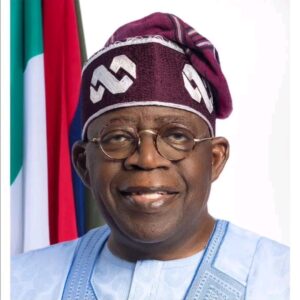
 

Irodili: There are strong debates about regional autonomy, including Biafra agitation and leaders like Nnamdi Kanu. Do you think the focus should be on national reform within Nigeria or supporting separatist movements? Explain your reasoning.


Rock Yusuf: National reform is essential, but I understand the frustrations driving separatist movements. I advocate for inclusive, decentralized governance that addresses regional concerns without fragmenting the nation.


Irodili: Looking at how Nigeria handles public dissent, such as the DSS demanding removal of anti-government posts from platforms like X and Facebook, do you think the government is using legal tools to protect the state or to silence criticism? Why?


Rock Yusuf: Too often, legal tools are used to silence dissent rather than protect national security. This approach undermines democracy and human rights.


Irodili: Some social media followers claim Western nations and foreign entities influence Nigerian insecurity for economic gain. Do you believe foreign actors play a significant role in Nigeria’s struggles (economically or politically)? Why, and what evidence supports that view?


Rock Yusuf: Foreign actors may play a role, but domestic issues, corruption, poor governance, and lack of accountability, are far more pressing and damaging.
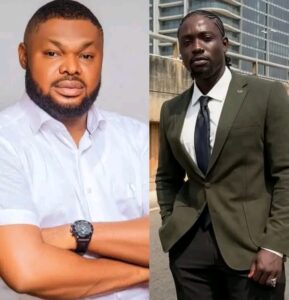
Irodili: You speak about accountability and justice often. Can you share a specific moment when your activism directly led to action or accountability, whether legal, political, or social?


Rock Yusuf: Yes. There have been instances where my advocacy contributed to securing the release of detained activists, proving that sustained pressure can lead to real outcomes.


Irodili: if a global audience were to read one thing about where Nigeria stands today, politically, socially, and economically, what single message would you want them to take away from your activism?


Rock Yusuf: Nigerians are resilient and determined. Despite political, social, and economic challenges, we are a nation of innovators, entrepreneurs, and activists working tirelessly toward a more just and equitable future.


Summary:

Part Two will continue with a proper investigation into Nigeria’s future and take a closer look at Fulani bandits and terrorism, offering deeper insights and analysis.

About The Author
Share

Leave a comment

Leave a Reply

Your email address will not be published. Required fields are marked *

LATEST POST

News

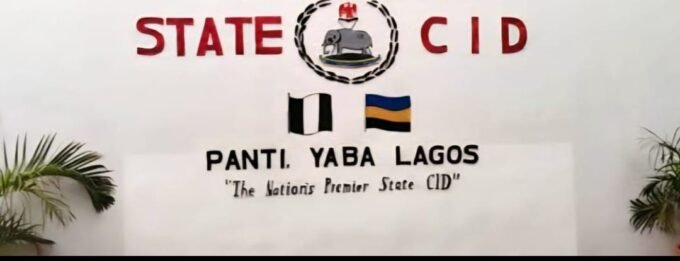
Lagos police arrest woman over alleged N450m land fraud involving 30 buyers

Lagos police arrest woman over alleged N450m land fraud involving 30 buyers The Police Command in Lagos State has arrested a 41-year-old woman,...

InternationalSport

“Maybe He’s a Racist” — Trump Takes Aim at NBA Superstar LeBron James

“Maybe He’s a Racist” — Trump Takes Aim at NBA Superstar LeBron James US President Donald Trump has stirred controversy after suggesting that...

Africa

Africa’s Talking Drum: Mama Nkem Left Before Her Daughter Was Ready

By: Chioma Madonna Ndukwu Africa’s Talking Drum: Mama Nkem Left Before Her Daughter Was Ready In Umuoma Village, people said that a mother’s...

Sport

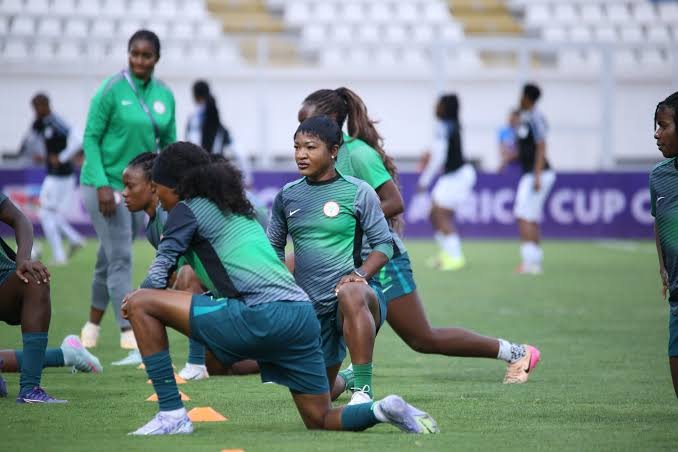
Cash Reportedly Stolen From Super Falcons Players’ Hotel Rooms in Casablanca

Cash Reportedly Stolen From Super Falcons Players’ Hotel Rooms in Casablanca The Super Falcons’ preparations for the 2026 Women’s Africa Cup of Nations...

AfricaMetro

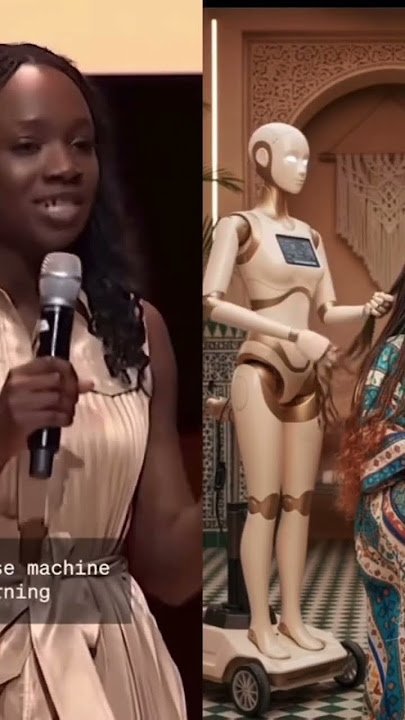
Harvard-Trained Nigerian-American Engineer Raises $7m for Robot Designed to Assist Hair Braiders A Nigerian-American engineer and Harvard graduate, Yinka Ogunbiyi, has secured $7 million in seed funding to develop a robotic device designed to make hair braiding faster and less physically demanding for professional stylists. Ogunbiyi’s company, HaloBraid, is developing what it describes as the world’s first patented braid-assist robot. The device is designed to work with hairstylists by handling some of the repetitive movements involved in knotless braiding. The funding round was led by Seven Seven Six, a venture capital firm founded by Reddit co-founder Alexis Ohanian. AlleyCorp and Bling Capital were also among the investors. The technology has already attracted significant interest, with more than 7,000 salons reportedly waiting to use the system. HaloBraid is designed as a collaborative robot, meaning it works alongside a human stylist instead of attempting to replace one. The hairstylist remains responsible for sectioning the hair, creating the initial knot and completing the final styling. The robot then assists with the repetitive weaving process down the length of the braid before the stylist returns to finish and shape the ends. According to the company, the technology could cut the time spent on some knotless braid appointments by roughly half, allowing salons to serve more clients while reducing the physical pressure on stylists. For Ogunbiyi, the idea was born from personal experience. During the COVID-19 pandemic, she spent four days installing knotless braids on herself, an experience that made her consider how technology could assist with the most repetitive aspects of the process. She subsequently teamed up with co-founder David Afolabi to develop HaloBraid. The company’s technology is also aimed at addressing the physical demands of professional braiding. Stylists who spend years performing repetitive movements can experience problems affecting their wrists, hands, shoulders, back and joints. By assisting with the most repetitive stage of braiding, HaloBraid hopes to reduce the strain on beauty professionals and help them work more efficiently. Ogunbiyi said the technology would not take away from the personal experience of visiting a salon. Rather, she believes it can allow stylists to spend less time on repetitive movements while continuing to handle the creative and personal aspects of hairstyling. Before launching HaloBraid, Ogunbiyi worked on smart kitchen appliances and Internet of Things products. She holds a joint master’s degree in engineering and business administration from Harvard University. With a $7 million investment and thousands of salons already expressing interest, HaloBraid is seeking to introduce robotics into one of the world’s largest and most labour-intensive beauty markets.

Harvard-Trained Nigerian-American Engineer Raises $7m for Robot Designed to Assist Hair Braiders A Nigerian-American engineer and Harvard graduate, Yinka Ogunbiyi, has secured $7...

Entertainment

Days to Their Wedding, VeryDarkMan Sends Peller and Jarvis a Serious Warning

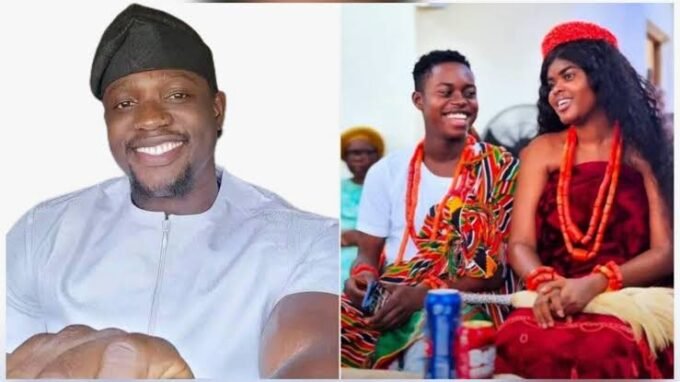
Days to Their Wedding, VeryDarkMan Sends Peller and Jarvis a Serious Warning Social media critic Martins Vincent Otse, popularly known as VeryDarkMan, has...

Sport

IOC Declines to Investigate Infantino Over Alleged Political Neutrality Breach

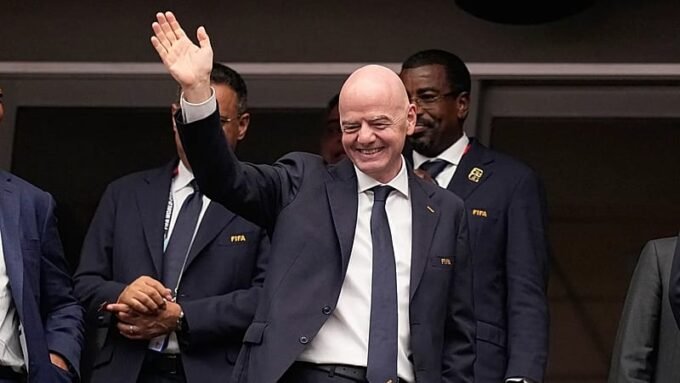
IOC Declines to Investigate Infantino Over Alleged Political Neutrality Breach The International Olympic Committee has refused to pursue a complaint against FIFA President...

News

IMO APC YOUTH LEAGUE INAUGURATES BOOTH WATCHDOGS, WARD CANVASSERS TO STRENGTHEN GRASSROOTS STRUCTURE AHEAD OF 2027

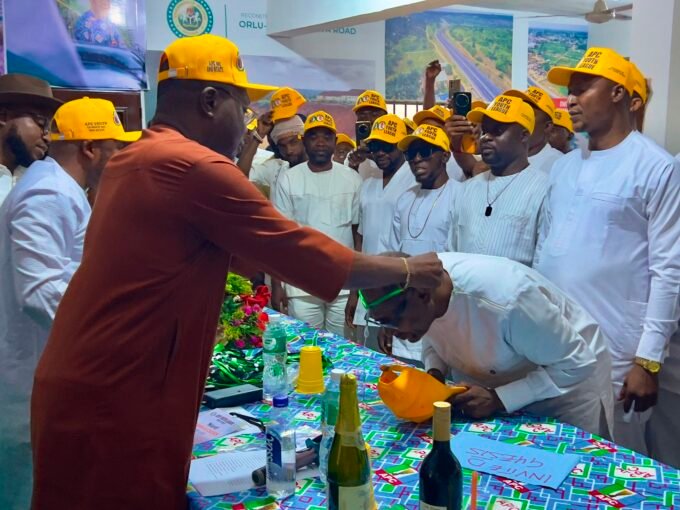
The Imo State Chapter of the APC Youth League on Thursday, July 23, 2026, successfully hosted its Interactive Session and Banquet at the...

Travel

VIDEO: 68 Passengers Survive Enugu Air Crash-Landing at Benin Airport

VIDEO: 68 Passengers Survive Enugu Air Crash-Landing at Benin Airport Sixty-eight passengers have escaped without reported injuries after an Enugu Air aircraft crash-landed...

News

WASTE EVACUATION DELAYS WILL SOON EASE* *– LAWMA*

*PRESS RELEASE* *WASTE EVACUATION DELAYS WILL SOON EASE* *– LAWMA* *LASG to Acquire 3,000 Compactor Trucks Within Three Years* The Lagos Waste Management...

AfricaMetro

5 Members of Same Family Found Dead Inside Abia Residence

5 Members of Same Family Found Dead Inside Abia Residence A family of five has been found dead inside their residence in Umuimo...

Related Articles

“Maybe He’s a Racist” — Trump Takes Aim at NBA Superstar LeBron James

“Maybe He’s a Racist” — Trump Takes Aim at NBA Superstar LeBron...

Africa’s Talking Drum: Mama Nkem Left Before Her Daughter Was Ready

By: Chioma Madonna Ndukwu Africa’s Talking Drum: Mama Nkem Left Before Her...

Harvard-Trained Nigerian-American Engineer Raises $7m for Robot Designed to Assist Hair Braiders A Nigerian-American engineer and Harvard graduate, Yinka Ogunbiyi, has secured $7 million in seed funding to develop a robotic device designed to make hair braiding faster and less physically demanding for professional stylists. Ogunbiyi’s company, HaloBraid, is developing what it describes as the world’s first patented braid-assist robot. The device is designed to work with hairstylists by handling some of the repetitive movements involved in knotless braiding. The funding round was led by Seven Seven Six, a venture capital firm founded by Reddit co-founder Alexis Ohanian. AlleyCorp and Bling Capital were also among the investors. The technology has already attracted significant interest, with more than 7,000 salons reportedly waiting to use the system. HaloBraid is designed as a collaborative robot, meaning it works alongside a human stylist instead of attempting to replace one. The hairstylist remains responsible for sectioning the hair, creating the initial knot and completing the final styling. The robot then assists with the repetitive weaving process down the length of the braid before the stylist returns to finish and shape the ends. According to the company, the technology could cut the time spent on some knotless braid appointments by roughly half, allowing salons to serve more clients while reducing the physical pressure on stylists. For Ogunbiyi, the idea was born from personal experience. During the COVID-19 pandemic, she spent four days installing knotless braids on herself, an experience that made her consider how technology could assist with the most repetitive aspects of the process. She subsequently teamed up with co-founder David Afolabi to develop HaloBraid. The company’s technology is also aimed at addressing the physical demands of professional braiding. Stylists who spend years performing repetitive movements can experience problems affecting their wrists, hands, shoulders, back and joints. By assisting with the most repetitive stage of braiding, HaloBraid hopes to reduce the strain on beauty professionals and help them work more efficiently. Ogunbiyi said the technology would not take away from the personal experience of visiting a salon. Rather, she believes it can allow stylists to spend less time on repetitive movements while continuing to handle the creative and personal aspects of hairstyling. Before launching HaloBraid, Ogunbiyi worked on smart kitchen appliances and Internet of Things products. She holds a joint master’s degree in engineering and business administration from Harvard University. With a $7 million investment and thousands of salons already expressing interest, HaloBraid is seeking to introduce robotics into one of the world’s largest and most labour-intensive beauty markets.

Harvard-Trained Nigerian-American Engineer Raises $7m for Robot Designed to Assist Hair Braiders...

5 Members of Same Family Found Dead Inside Abia Residence

5 Members of Same Family Found Dead Inside Abia Residence A family...