

By:Chioma Madonna Ndukwu
Africa’s COMESA Unveils Local Currency Payment System to Reduce Dollar Dependence
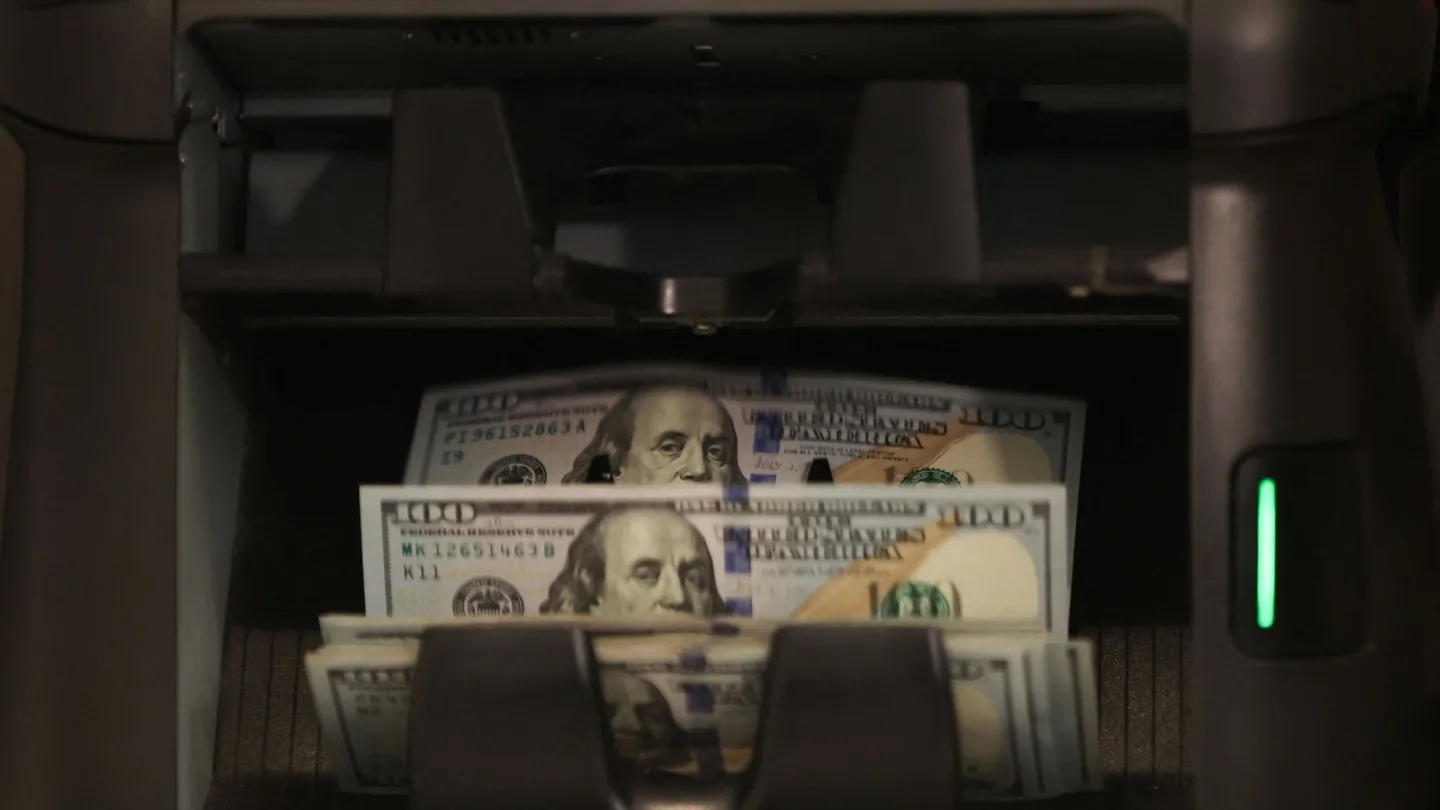
The Common Market for Eastern and Southern Africa (COMESA) has launched a digital payments platform that allows businesses within its member states to trade using their local currencies rather than the US dollar. The move aims to reduce the cost and complexity of cross-border trade across the continent.
According to COMESA, the new system—known as the Digital Retail Payments Platform—will enable transactions to be settled directly between countries without converting to hard currencies.
Trials have already begun between Malawi and Zambia, with plans to extend the system across all 21 COMESA member nations, including Kenya, Egypt, and Ethiopia.
Speaking at the launch, Kenya’s Trade Minister, Lee Kinyanjui, described the development as a “game-changer,” emphasizing that it would particularly benefit small and medium-scale businesses that have long struggled with “cumbersome, insecure and expensive” cross-border payment procedures.
“For the first time, trade within COMESA can be settled directly in local currencies,” Kinyanjui said. “We are showing that African traders can exchange value seamlessly without relying on scarce foreign currency.”
The platform is being implemented in collaboration with two digital financial service providers and a foreign exchange partner, though COMESA did not disclose their names.
Transaction costs are expected to remain below 3 percent of the transaction value, making it one of the cheapest trade payment systems on the continent.
Kenyan President William Ruto, who recently assumed the chairmanship of COMESA, called for deeper economic integration and investment in regional financial institutions to sustain such initiatives.
He noted Kenya’s increased shareholding in both the Trade and Development Bank (TDB) and Afreximbank—by $100 million and $50 million respectively—as a demonstration of commitment to strengthening Africa’s financial independence.
“The most viable path for Africa’s economic blocs like COMESA is to build and support our home-grown multilateral financial institutions,” Ruto added.
COMESA, established in 1994, is one of Africa’s largest regional economic blocs, comprising 21 member states spanning Eastern and Southern Africa. The bloc’s vision has long been to foster regional integration through trade and investment.
The introduction of the Digital Retail Payments Platform aligns with continental initiatives such as the African Continental Free Trade Area (AfCFTA) and the Pan-African Payment and Settlement System (PAPSS), both designed to promote intra-African trade by minimizing dependence on foreign currencies like the US dollar.
Africa’s reliance on the dollar has often exposed its economies to exchange rate volatility and liquidity shortages.
The COMESA initiative thus represents a significant step toward financial sovereignty and regional self-sufficiency in trade settlements.
About The Author

















Leave a comment