

By: Chioma Madonna Ndukwu
Africa’s Talking Drum: The Man Who Borrowed Big Shoes
In the dusty town of Obunike lived a man called Uncle Bode. He was not poor enough to beg and not rich enough to boast.
But one thing everybody knew about him, Uncle Bode loved appearances the way fire loves dry wood. If a wealthy trader bought new clothes, Bode suddenly wanted better ones.
If someone roofed their house with shiny zinc, he spent sleepless nights touching his old roof like it had personally offended him. “Respect follows packaging,” he liked saying.
And because his mouth was sweet, many people laughed and nodded.
One market season, a rich businessman from the city returned home for a festival. He arrived in polished cars. Fine clothes. Expensive shoes that shone like fresh rainwater.
The whole town talked. Even children abandoned games just to stare. Uncle Bode watched quietly, envy sitting on his shoulder like an old friend.
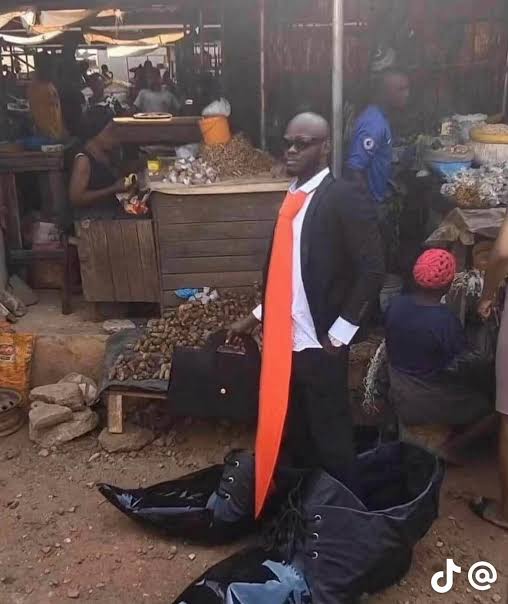
The next week, people nearly fainted. There he was, Uncle Bode, suddenly dressed in expensive suits too warm for village weather, dark glasses bigger than common sense, and shoes so polished they looked borrowed from another life.
“Ha!” neighbours whispered. “Bode has blown!” He walked differently too. Chest high. Chin proud. Even greetings changed. No more warm laughter at roadside gatherings.
He now spoke in half-English and behaved as if ordinary benches no longer understood his importance. But there was a small problem.
The life was expensive, too expensive. The clothes came from debt. The shoes came from borrowed money. The loud spending came from promises he had no plan to keep.
At home, soup pots became shy. His wife began stretching meals until hunger itself looked confused.
One evening, after heavy rain turned the village road muddy, Uncle Bode slipped near the market square. One borrowed shoe flew into dirty water. The crowd gasped. Then silence. Then somebody laughed.
An old woman selling roasted corn shook her head slowly. “My son,” she said, “big shoes do not teach small legs how to walk.”
The market erupted into soft laughter. Not cruel laughter. The kind that carries truth inside embarrassment. Bode stood there, wet and humbled.
For the first time, he looked at himself properly. All this suffering just to impress people who forgot yesterday’s gossip before sunrise.
That evening, he removed the heavy clothes and sat outside quietly. An old friend passed and sat beside him.
After some silence, the man sighed. “Brother,” he said gently, “a goat wearing a lion’s skin still trembles at thunder.”
Bode laughed, a tired laugh. But a truthful one. Little by little, he changed. No more noisy spending. No more chasing respect through borrowed shine.
And whenever young men began competing loudly over who looked richer, Uncle Bode would smile and say: “The stomach knows when pride has eaten the money.”
Because in Obunike, people slowly remembered something easy to forget: Looking rich and living well are not always brothers.
Moral: A life built around impressing others often becomes heavier than the person carrying it.
Comment Hook:
Why do people sometimes pressure themselves to look successful even when it quietly hurts their peace?
About The Author


















Leave a comment