

By: Chioma Madonna Ndukwu
Africa’s Talking: When the Drum Spoke Louder Than the People
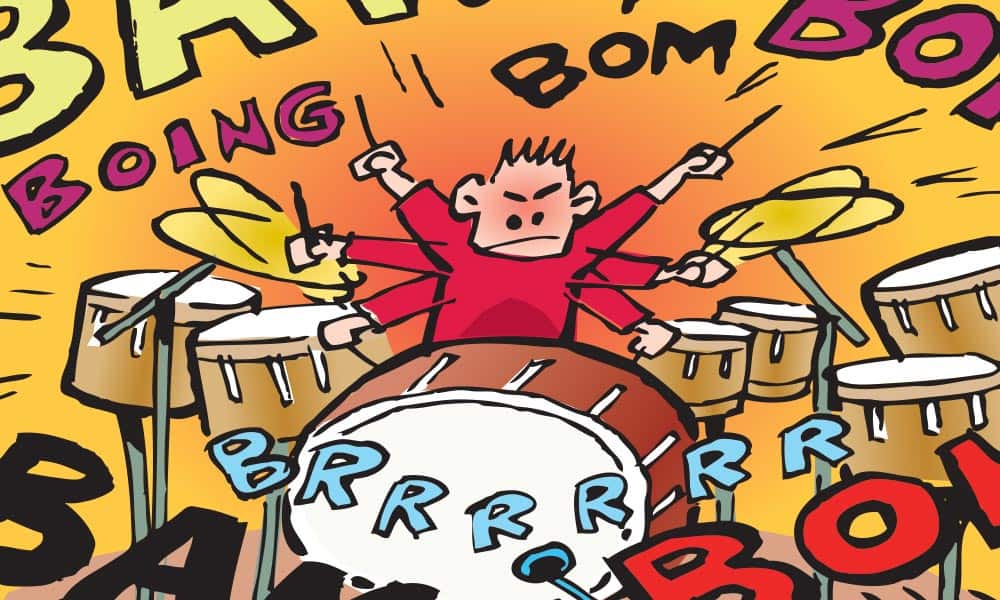
In the great kingdom of Barika, news did not travel by foot or wing, it traveled by drum.
At the center of the village stood the Talking Drum, beaten each morning and evening to share the words of the King. Whatever the drum said, the people believed.
“The harvest is plenty,” the drum would sound.
“The kingdom is at peace.”
“Our leaders serve with honor.”
And so the people repeated it.
But beyond the rhythm of the drum, life told a different story.
The farmers returned from dry fields.
The fishermen cast nets into thinning waters.
The traders counted losses instead of profit.
Still, the drumbeat never changed.
One season, the King appointed a clever Jackal as Keeper of the Drum.
“No message must bring fear,” the King instructed. “Only strength. Only progress.”
Jackal bowed low. From that day, the drum grew louder, and the truth grew quieter.
When villages went hungry, the drum announced abundance.
When unrest began to rise, the drum declared unity.
When voices of concern emerged, the drum drowned them out with celebration.
At first, the people clapped along.
But slowly, something shifted.
A young Weaver, whose threads carried stories from village to village, began to notice the gap between sound and reality.
One evening, she refused to dance to the drum.
“If the drum speaks truth,” she said, “why do our lives disagree?”
Her question spread like wildfire.
Soon, the farmers stopped nodding.
The traders stopped clapping.
Even the elders began to listen beyond the noise.
And for the first time in many seasons, the people chose silence over the drum.
Without their attention, the drum lost its power.
For a message, no matter how loud, is nothing without those who believe it.
And the kingdom of Barika learned a lesson it would never forget:
Moral: Control of the message is not the same as control of the truth. When people begin to question, even the loudest voice can fall silent.
Do you think controlling information is the strongest form of power in leadership, or does it eventually fail?
About The Author














Leave a comment