

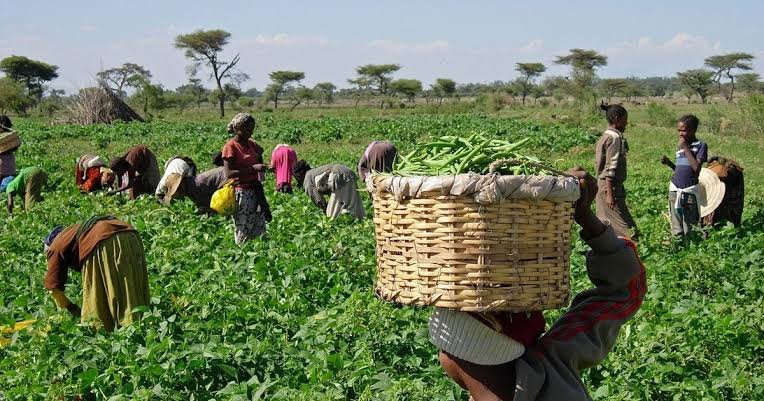
Bandit Extortion Leaves Northern Farmers Facing Another Uncertain Planting Season
For many farming communities across northern Nigeria, the arrival of the rainy season no longer guarantees the promise of a successful harvest.

Instead, it has become a period overshadowed by insecurity, with armed bandits continuing to extort farmers and prevent them from cultivating their land.
Across states such as Katsina, Sokoto, Zamfara and Yobe, reports indicate that criminal groups have intensified demands for illegal payments before allowing farmers access to their fields, further threatening agricultural activities and the country’s food supply.
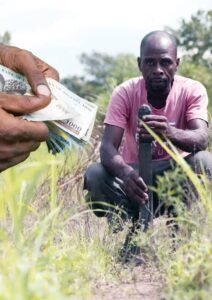
In Katsina State, residents of Kwandawa in Malumfashi Local Government Area were reportedly instructed in June to raise ₦20 million or leave their community and surrounding farmlands. The demand was said to have been linked to the death of one of the armed group’s members.
A similar situation played out in Sokoto State, where residents of about 26 communities in Sabon Birni Local Government Area were forced to contribute money after bandits allegedly stopped them from entering their farms.
The groups reportedly issued a three-day deadline for the payment before farming activities could continue.
Elsewhere, sugarcane farmers in parts of Kano and Katsina were said to have paid up to ₦50,000 per acre before harvesting their crops.
Reports suggest that armed groups now exert significant control over some forest communities, where they impose their own rules and financial demands on residents.
The continued attacks have heightened fears that insecurity could undermine food production at a time when Nigeria is working to strengthen its agricultural sector.
Chairman of the All Farmers Association of Nigeria (AFAN), Kano State chapter, Abdullahi Ali Mai Biredi, described the development as a major setback for food production, noting that smallholder farmers remain the country’s primary food producers.
He explained that restricting farmers from cultivating their land would reduce harvests, tighten food supplies and increase the risk of higher food prices across the country.
Mai Biredi also warned that worsening food shortages could fuel additional social and security challenges if urgent measures are not taken.
He, however, acknowledged recent improvements in security in some farming communities, saying government authorities and security personnel have made it possible for farmers in certain locations to resume land preparation for the new season.
According to him, farming activities have gradually returned in some border communities between Kano and Katsina, offering hope that agricultural production can recover if security continues to improve.
The AFAN chairman urged the government to pursue long-term solutions to the insecurity affecting rural communities, stressing that lasting peace is essential for stable food production and national development.
Attempts to obtain official comments from the Katsina State Ministries of Agriculture, Information and Internal Security were unsuccessful, as the agencies had not responded before the report was filed.
About The Author





















Leave a comment