

By: Chioma Madonna Ndukwu
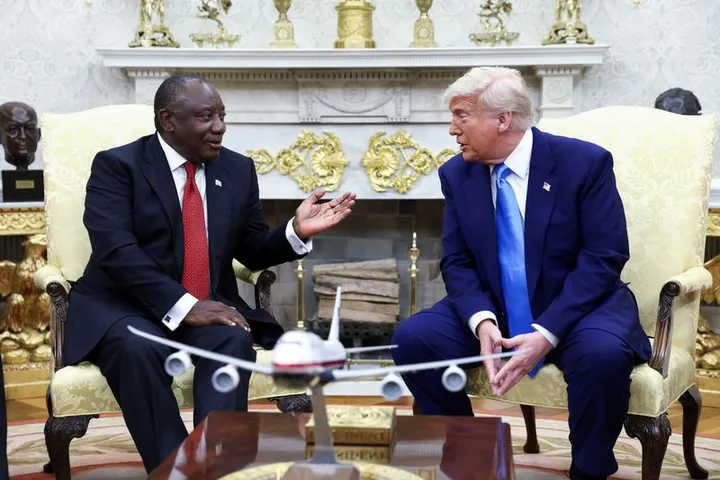
South Africa has formally rejected the Trump administration’s unilateral imposition of a 30% reciprocal tariff, calling it an “inaccurate” reflection of the trade data between the two countries. The dispute comes after the U.S. President Donald Trump sent letters to several nations on Monday, detailing new tariffs, which also affected South Africa.
In a statement released on Tuesday via X (formerly Twitter), the South African presidency clarified that the 30% tariff was based on a particular interpretation of the balance of trade between South Africa and the United States. South Africa has contested this interpretation, saying that it does not align with the actual trade data.
“The 30% tariff is based on a contested view of trade balance data between the U.S. and South Africa. This issue is currently under review by the respective negotiating teams,” the statement read. “In our analysis, the average tariff on imported goods entering South Africa is 7.6%, with 56% of goods entering the country duty-free.”
The statement further emphasized that 77% of U.S. goods already enter South Africa under the 0% duty rate, with the country asserting that the tariff hike would not be justified by the current trade reality.
President Cyril Ramaphosa’s office acknowledged the receipt of a letter from the U.S. government confirming the new tariffs, which come amid growing tensions between South Africa and the U.S. In response, the South African government reaffirmed its commitment to pursuing a “more balanced and mutually beneficial” trade relationship with the United States.
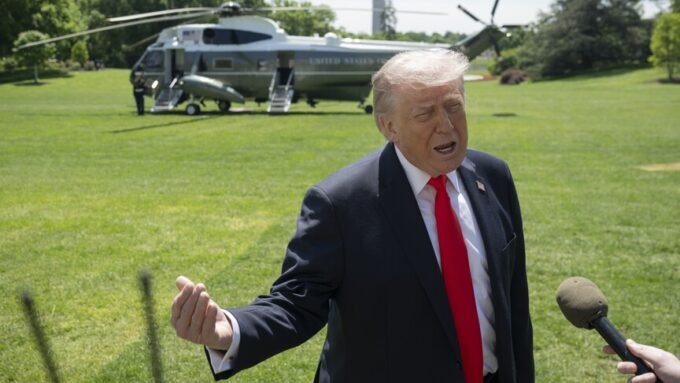
This diplomatic dispute occurs shortly after President Trump’s threats to impose additional tariffs on various BRICS countries, including South Africa, which is a key member of the bloc. The tariff hike was part of a broader move by Trump to increase trade pressure on nations that he claims are not trading equitably with the U.S.
On Monday, Trump also extended the suspension of reciprocal tariffs to August 1, 2025, signaling that the tariffs would not take effect immediately as originally planned. The U.S. president justified the extension in an executive order, citing ongoing discussions with various trading partners.
In addition to the 30% tariff on South Africa, Trump’s administration announced a series of new tariffs on several countries, including a 25% tariff on Japan, South Korea, Malaysia, and others. Other nations, such as Serbia, Bangladesh, and Cambodia, also faced significant tariff hikes ranging from 32% to 40%.
Despite the tense trade relations, South Africa has emphasized the importance of continued dialogue and diplomacy, hoping to address these issues in a manner that benefits both nations.
The situation reflects broader geopolitical shifts as the U.S. seeks to recalibrate its trade policies, particularly with emerging economies in Africa and Asia. South Africa’s rejection of the tariff underscores its stance on the need for fair trade practices in the global economic landscape.
About The Author













Leave a comment