

Subsidy Battle Takes Fresh Turn as Tinubu Sets October Deadline
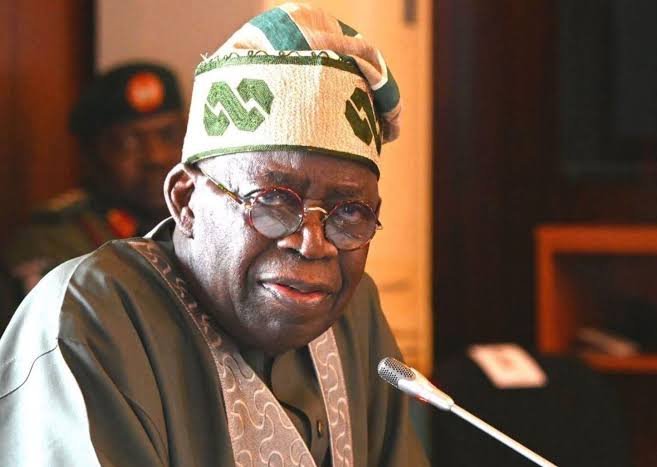
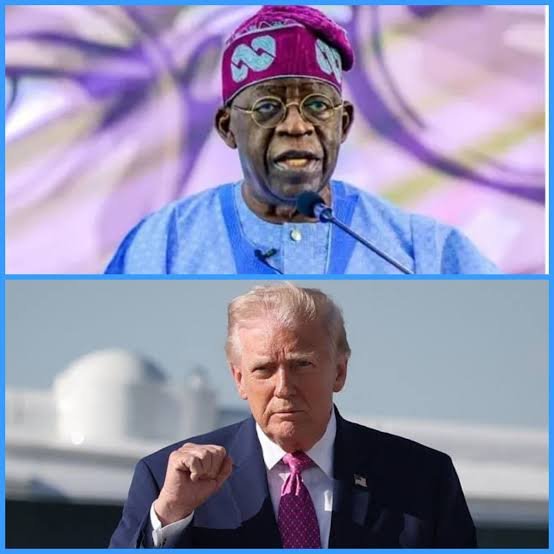
The argument over petrol subsidy has taken another turn, with President Bola Tinubu announcing October 1 as the date Nigerians could begin to see a major change in transport costs.
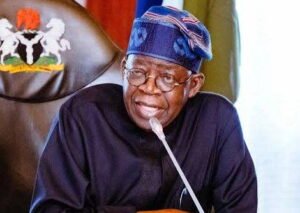
Tinubu said state governors had agreed to work with the Federal Government on measures aimed at easing the burden of transportation through Compressed Natural Gas (CNG) and electric vehicles.
He made this known after meeting with governors at the Presidential Villa in Abuja on Thursday.
According to the president, a joint Federal and State committee would immediately begin working on the plan.
Tinubu said vehicles powered by CNG could spend 60 to 80 per cent less on fuel than those running on petrol.
He said the savings should eventually reach commuters.
“Cheaper fuel should result in cheaper fares,” the president said, adding that his administration wanted Nigerians to begin benefiting from the arrangement from October 1.
The announcement comes as former Vice President Atiku Abubakar continues to challenge the government’s decision to remove petrol subsidy.
Atiku has proposed a different subsidy model that would support crude supplied to Nigerian refineries rather than subsidise imported petrol.
He said the arrangement would move subsidy towards local production and make government intervention easier to monitor.
The Presidency rejected the proposal, accusing Atiku of showing a lack of understanding of governance and the economy.
Atiku’s camp has now criticised Tinubu’s transport announcement.
His Senior Special Assistant on Public Communication, Phrank Shaibu, described the president’s move as “panic dressed in presidential grammar.”
Shaibu argued that Nigerians had endured high food and transport costs since the removal of subsidy and said the government was only responding after pressure had mounted.
He maintained that CNG could help, but questioned whether the country had enough infrastructure to make the promised relief possible.
Governors Support CNG Programme
The Nigeria Governors’ Forum has backed the National Affordable CNG Transit Programme, which seeks state support for vehicle conversions, CNG fleets and related infrastructure.
Bayelsa Governor Douye Diri said reducing transport costs could have a wider effect on the economy because transportation influences the prices of food and other goods.
He said governors would work with private investors to increase the number of CNG vehicles and facilities.
However, the governors acknowledged that the financing and implementation arrangements were yet to be fully settled.
Drivers Face Another Problem
For motorists already using CNG, the cheaper fuel comes with its own frustration.
Some drivers in Abuja have complained about long queues and inadequate refuelling stations, with motorists sometimes spending several hours waiting to get gas.
Chiwendo Ogbonna of the Amalgamated Union of App-Based Transporters of Nigeria said the situation was affecting commercial drivers’ earnings.
He said more vehicles were being converted daily, but the infrastructure required to serve them was not expanding at the same pace.
Other motorists called for more private investment in CNG stations, saying cheaper fuel would mean little if motorists could not find it when needed.
The Federal Government says more than 90 CNG refuelling stations have been established across 23 states.
Tinubu also said more than 120,000 vehicles had been converted nationwide and disclosed plans to add another 500 refuelling stations.
Will October Bring the Answer?
Economist Dr Marcel Okeke doubts that the states can easily deliver the president’s directive without additional funding.
He said inflation and the depreciation of the naira had weakened the purchasing power of state governments, despite increased allocations from the Federation Account.
Okeke also questioned how states would finance a major transport intervention that was not specifically captured in their 2026 budgets.
The CNG programme was introduced in 2023 following the removal of petrol subsidy, with the Federal Government presenting it as a cheaper and cleaner alternative to petrol.
Three years later, subsidy remains a political fault line.
Tinubu is now turning to CNG and the states for an answer to the transport crisis.
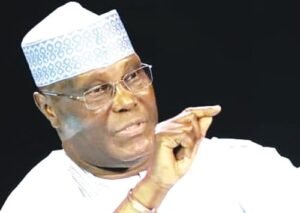
Atiku insists that the government’s approach has failed Nigerians.
With October 1 approaching, the real test will be whether the promise reaches the passenger waiting by the roadside.
About The Author














Leave a comment