

By: Chioma Madonna Ndukwu
The Three-Day Rule for Cooked Food: A Global Call for Safer Eating Habits
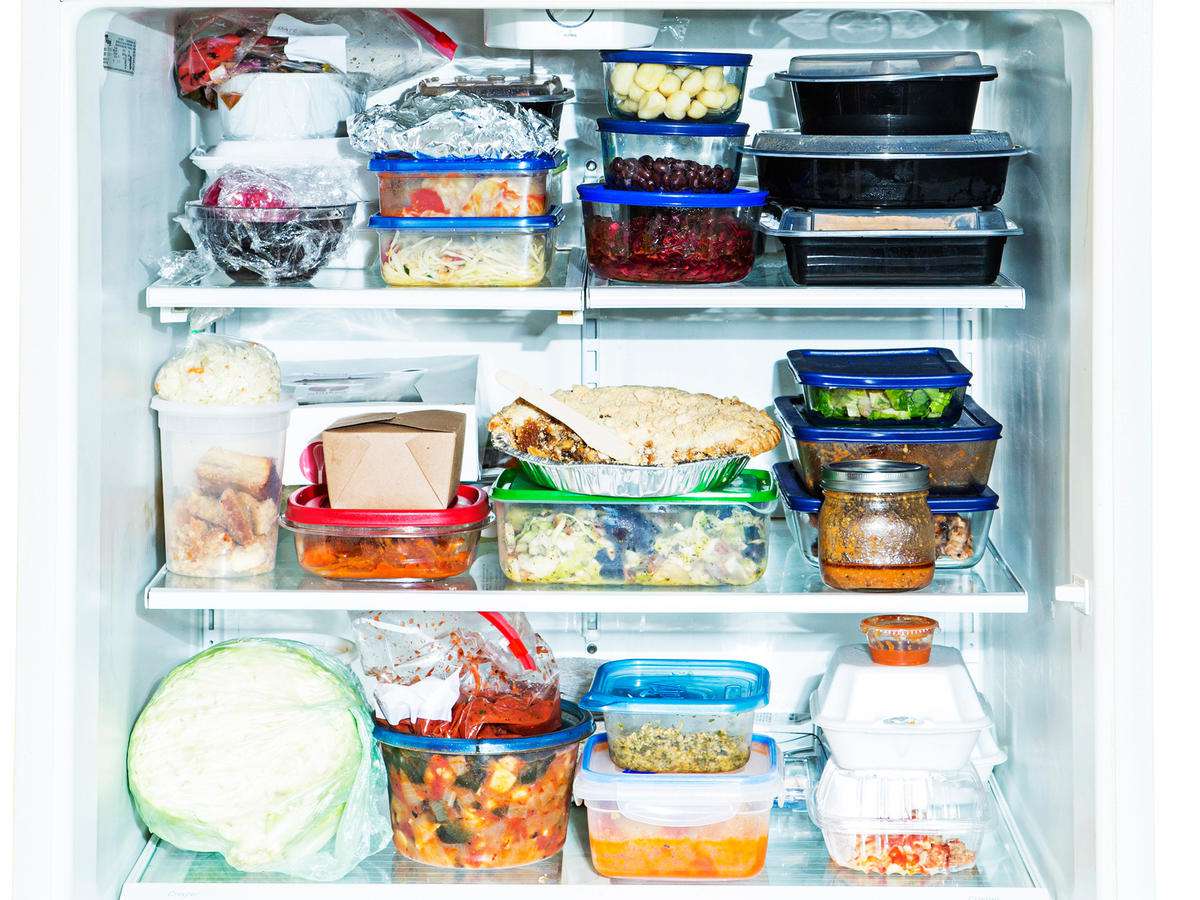
They say “yesterday’s meal is today’s delight,” but experts warn that when yesterday lingers too long, delight can swiftly turn to danger. The refrigerator, often treated like a vault of safety, is not a magician’s box that freezes time. It is, at best, a slowing clock. And once three days tick by, even the cold loses its grip, and food begins a quiet betrayal.
From Nigeria to New York, health authorities are sounding the same alarm: don’t keep cooked food beyond three days. What looks harmless, smells fine, and tastes familiar may, in truth, be a breeding ground for invisible enemies.
The Director General of the National Agency for Food and Drug Administration and Control (NAFDAC), Prof. Mojisola Adeyeye, recently stressed that cooked food stored for too long is “susceptible to contamination by disease-causing pathogens,” a reality that can trigger foodborne illnesses and in some cases, death.
Her warning reflects a wider global concern. The World Health Organization (WHO) estimates that unsafe food sickens 600 million people every year, nearly one in ten globally — and causes 420,000 deaths. These figures underline the truth that the danger of unsafe food is not just personal but universal, touching every kitchen, every family, and every community.
Health experts across continents have amplified this caution. Dr. Maria Neira, Director of Public Health at WHO, remarked that “food left too long becomes a silent enemy. The cold slows microbes down but never stops them completely.”
In the United Kingdom, Professor Bill Keevil, a microbiologist at the University of Southampton, explained that Listeria, one of the most dangerous bacteria, is able to grow even at refrigerator temperatures. “You may not see mould or smell rot,” he warned, “but the danger is already there.”
From the United States, Dr. Donald Schaffner, a food microbiologist at Rutgers University, used a vivid metaphor: “Think of your fridge as a clock, not a vault. After 72 hours, the countdown ends, and bacteria begin to win.”
The risks are not only medical but economic. Families spend money on hospital bills when foodborne disease strikes, while businesses and nations lose productivity when outbreaks occur. Prof. Adeyeye stressed that food safety must become a culture and not an afterthought, reminding both producers and consumers that vigilance is the strongest form of prevention.
In truth, a refrigerator is less a fortress than a fragile shield. It does not give food eternal life; it only buys time. After three days, the clock runs out, and no reheating or spice can erase the harm that may already be present.
The lesson is clear: food should give strength, not steal it. Respecting the three-day rule is not just wise advice but a life-saving discipline for households across the world.
About The Author




















Leave a comment