

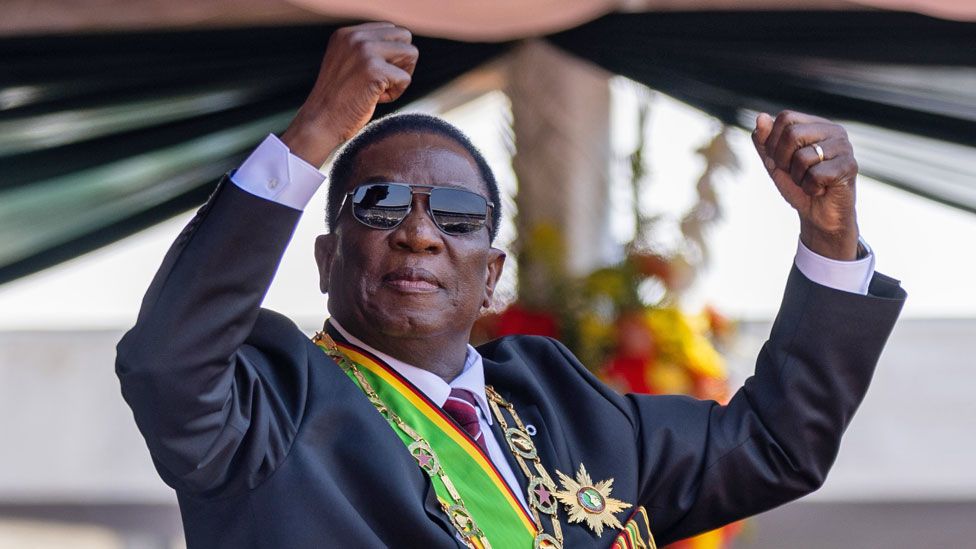
Zimbabwe Takes a Major Step Toward Extending Mnangagwa’s Rule
Zimbabwe has moved closer to adopting constitutional reforms that could allow President Emmerson Mnangagwa to remain in office until 2030 after the Senate overwhelmingly approved a controversial amendment bill.
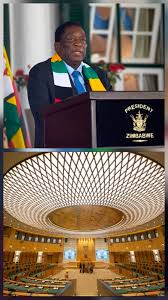
The legislation passed the upper chamber by a vote of 75-4, following its approval by the National Assembly last week. It now awaits President Mnangagwa’s assent before it can become law.
If signed, the reforms would extend presidential terms from five years to seven years and replace direct presidential elections with a system in which Parliament elects the country’s leader.
The government says the proposed changes are aimed at promoting political stability, reducing the frequency of elections and allowing more time for long-term national development programmes.
The bill has, however, drawn strong opposition from political parties, lawyers and civil society organisations, which argue that it would weaken democratic governance and concentrate more power in the presidency.
Critics say ending direct presidential elections would deny Zimbabweans the right to choose their leader at the ballot box.
Some have described the proposals as a “constitutional coup”, warning they could reverse democratic progress and tighten the ruling ZANU-PF party’s grip on power.
Government officials have rejected those claims, insisting the reforms were introduced through constitutional procedures and are intended to improve governance rather than remove presidential term limits.
They also maintain that the amendments do not require approval through a national referendum.
The proposed reforms have been accompanied by allegations from opposition figures that campaigners against the bill faced intimidation and harassment during the public consultation process. Police have denied involvement in the reported incidents.
Authorities say more than 537,000 submissions were received during consultations and claim the majority supported the amendments.
Opposition leaders dispute that figure, arguing that many critics were prevented from expressing their views.
Mnangagwa, 83, secured a second term in office in the 2023 presidential election, a vote that was criticised by opposition parties and some international observers.
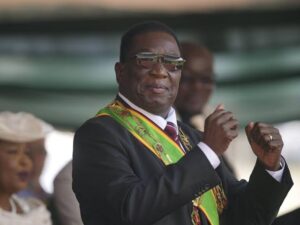
If the bill is signed into law, it will introduce far-reaching changes to Zimbabwe’s political system and could significantly extend his time in power.
About The Author















Leave a comment