

By: Chioma Madonna Ndukwu
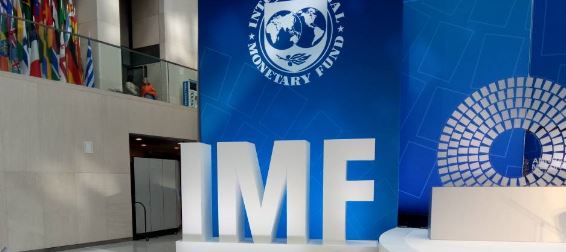
Nigeria is bracing for economic turbulence, with the IMF forecasting a dramatic rise in inflation and a drop in oil prices that could destabilize the country’s finances.
“Inflation may balloon to 37% next year,” the IMF warns, a sharp increase from the current 26.4%, as outlined in its April 2025 World Economic Outlook (WEO).
The IMF’s forecast also predicts crude oil prices will average just $66 per barrel this year, far below the Nigerian government’s expected $75 per barrel, raising concerns about the nation’s ability to manage its fiscal deficit.
Economic experts are urging quick and decisive action from the government. Tolulope Alayande, an investment banker, noted, “The economic trends do not support that… Nigeria predicts up to two million barrels per day, anything close to that?”
The IMF’s report underscores the growing instability, stating, “The outlook is marked by ‘significant uncertainty’ as elevated global risk sentiment and lower oil prices trouble the economy.”
Despite reforms, the IMF highlighted that “gains have yet to benefit all Nigerians as poverty and food insecurity remain high.”
Muda Yusuf, CEO of the Centre for the Promotion of Private Enterprises (CPPE), warned that the combination of falling oil prices and sluggish production could derail the government’s budget, pushing the economy deeper into debt.
“The dual risks of declining oil prices and underperformance in production could derail the government’s revenue projections,” Yusuf said.
The IMF urges the government to “channel savings from the fuel subsidy removal into the budget,” while also recommending a “tight monetary policy” to tame inflation.
Experts also stress the need for Nigeria to ramp up non-oil revenues through effective tax reforms and prudent fiscal management.
Yusuf advised, “Revenue cannot support them… it is better to cut down on expenditures,” underlining the importance of fiscal discipline.
Dr. Paul Uzum, CEO of Hallo Capital Management Limited, cautioned that maintaining overly optimistic revenue projections could result in unsustainable debt.
He recommended, “In the short run, the government should trim its expenditure to align with its income.”
Uzum also suggested that Nigeria could mitigate some of the fiscal challenges by “deliberately increasing its crude oil supply” to offset the impact of falling prices, explaining, “If prices go down and quantity sold increases, it can help balance out the revenue shortfall.”
The IMF’s report stresses the importance of economic diversification.
“Long-term economic diversification is essential… the only sustainable way to ensure stability and resilience in the face of global volatility,” the report concludes, urging Nigeria to reduce its dependency on oil and broaden its economic base.
About The Author



















Leave a comment