

By: The Editor-in-Chief
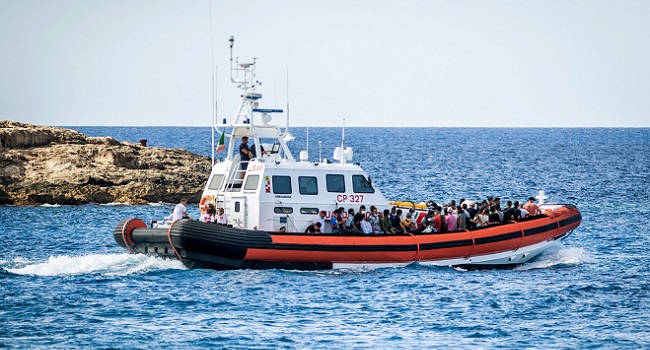
The sinking of a crowded ferry on the Malale River in Niger State this week is not just another accident. It is a national failure. At least 60 people are feared dead, their lives lost to a pattern of neglect that has turned Nigeria’s waterways into graveyards.
Officials confirm the boat was carrying far more passengers than it could safely hold when it struck a submerged tree stump and capsized. This was not fate. It was overloading, poor enforcement, and unsafe navigation. Every rainy season, swollen rivers claim lives, yet the cycle repeats with chilling predictability.
The National Inland Waterways Authority has long warned of unsafe practices. Passengers are ferried without life jackets. Boatmen ignore capacity limits. Communities depend on fragile vessels because regulation is absent and alternatives are nonexistent. The Niger tragedy comes only weeks after another capsizing in Sokoto that left more than 30 traders dead.
Nigeria invests heavily in roads, rail, and aviation, yet inland waterways, which carry millions of people and tonnes of goods, remain the least regulated. Rescue operations rely on villagers, not trained responders. Local governments admit they lack even basic safety equipment.
The toll on families is severe. Children lose parents, households lose breadwinners, and communities lose their traders and farmers. There is no compensation, no insurance, and no meaningful state safety net. Grief is met with silence until the next disaster makes headlines.
Nigeria does not lack laws. What it lacks is enforcement. Capacity limits must be respected, life jackets must be mandatory, and boats must be inspected. Navigational hazards must be cleared, and investment in modern ferries made a priority.
This is not only a Niger State issue. It is a national one. Nigeria has one of Africa’s largest inland waterways, but until the country treats water transport with the seriousness it deserves, boat disasters will remain part of its national story.
The deaths on the Malale River should not be filed away as another rainy season tragedy. They must be the turning point when Nigeria decides that safety on its waters is an obligation, not an option. Anything less is a betrayal of its people.
About The Author




















Leave a comment