


By: Chioma Madonna Ndukwu
Tinubu Seeks Lawmakers’ Approval To Borrow $2.35bn For Budget And Eurobond Refinancing
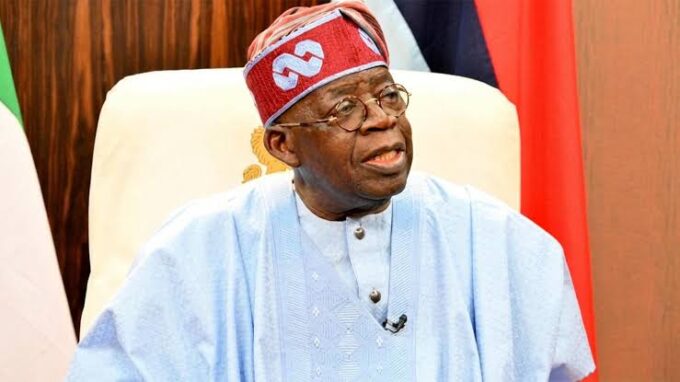
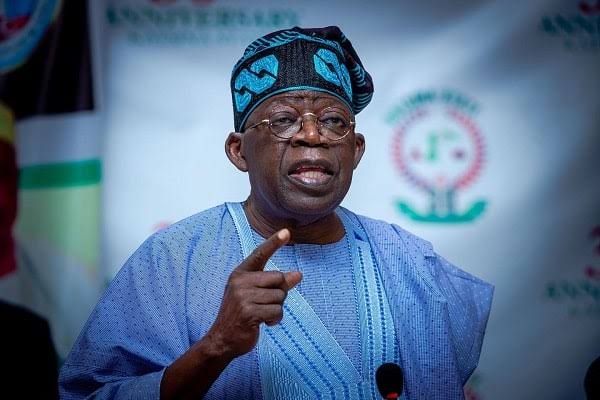
President Bola Ahmed Tinubu has written to the House of Representatives, requesting approval to borrow $2.35 billion from external sources to help finance Nigeria’s 2025 budget deficit and refinance maturing Eurobonds.
The President’s request was contained in a letter addressed to the Speaker of the House, Tajudeen Abbas, and read during plenary on Tuesday.
Tinubu also sought legislative consent to issue a $500 million sovereign sukuk in the International Capital Market (ICM) to fund critical infrastructure projects and broaden the country’s financing options.
According to the letter, the borrowing plan complies with Sections 21(1) and 27(1) of the Debt Management Office (Establishment) Act, 2003, which require legislative approval for new loans and refinancing arrangements.
The breakdown shows that $1.23 billion (₦1.84 trillion) will be used to partially fund the 2025 budget deficit, while $1.12 billion will refinance an existing Eurobond due to mature on November 21, 2025.
President Tinubu stated that Nigeria had achieved significant progress through domestic sukuk issuances, which have generated over ₦1.39 trillion between 2017 and 2025 to support road and infrastructure projects nationwide.
He explained that the latest borrowing plan aims to attract foreign investment and supplement domestic funding to close Nigeria’s growing infrastructure gap.
“There is an urgent need to mobilize resources from external markets to complement domestic funding and bridge the infrastructure deficit,” the letter read. “This will also help diversify Nigeria’s investor base and deepen the government securities market.”
The President added that the proposed funds could be raised through one or a mix of Eurobonds, loan syndications, or bridge financing, depending on market conditions.
He further stated that the pricing of the new Eurobonds would be consistent with Nigeria’s existing instruments, which currently yield between 6.8 and 9.3 percent, depending on maturity.
On the proposed $500 million sukuk, Tinubu explained that it would help expand Nigeria’s investor network while supporting the development of key infrastructure projects across the country.
Nigeria’s debt-driven fiscal model continues to spark public debate as the country battles persistent budget deficits and dwindling revenue inflows.
The Debt Management Office (DMO) reported that as of mid-2025, Nigeria’s total public debt had surpassed ₦97 trillion, raising questions about long-term sustainability.
Successive governments have argued that borrowing remains necessary to fund critical sectors such as power, transportation, and infrastructure, especially amid low oil revenue and rising expenditure.
Since assuming office, President Tinubu has pursued a mix of fiscal and economic reforms, including subsidy removal, tax restructuring, and efforts to attract foreign investment.
The new borrowing plan, analysts say, forms part of his administration’s strategy to stabilize public finances while maintaining development commitments.
Lawmakers are expected to debate the proposal in the coming days, as attention turns to how the government intends to balance its borrowing with Nigeria’s debt sustainability and economic recovery goals.
About The Author















Leave a comment