


By: Chioma Madonna Ndukwu
Parties Revolt Against Tinubu’s Electoral Act, Seek Amendments
More than a month after President Bola Ahmed Tinubu assented to the Electoral Act 2026, political parties across Nigeria have rejected key provisions of the law, describing it as a setback to democratic progress.
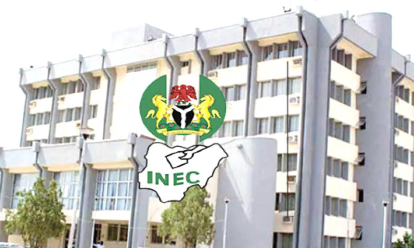
The opposition was formally presented by the Inter-Party Advisory Council (IPAC), which represents registered political parties in the country.
Its chairman, Yusuf Dantalle, said the council would soon convene a general assembly to decide its next line of action following discussions with the Independent National Electoral Commission (INEC).
At the centre of the dispute is the provision mandating political parties to adopt direct primaries for selecting candidates.
Party leaders argued that the mode of primaries should remain an internal matter, not one imposed by law.
IPAC also faulted the requirement for parties to submit detailed membership registers, including members’ National Identification Numbers (NIN), within a limited timeframe.
According to Dantalle, the condition is impractical and risks excluding many Nigerians who do not yet have access to NIN registration.
He warned that the provision could disenfranchise potential party members and place undue pressure on parties, especially those outside government, as INEC has already factored the law into its preparations for the 2027 general elections.
The council further called for compulsory electronic transmission of election results, insisting that outcomes from polling units should be uploaded immediately to INEC’s Result Viewing portal to enhance transparency.
Despite widespread public consultations before the law was passed, IPAC said the final version failed to reflect the expectations of Nigerians.
Dantalle argued that rather than strengthening the electoral system, the Act could undermine confidence in future elections if left unchanged.
The council also expressed concern over what it described as weaker sanctions against vote buying and renewed its call for the establishment of an Electoral Offences Commission to prosecute electoral violations.
INEC, however, defended its position. Its chairman, Joash Amupitan, said the commission had reviewed its regulations to align with the new law, covering party registration, primaries, campaign processes and financing.
He maintained that the guidelines were designed to improve transparency, reduce disputes and ensure credible elections.
Amupitan disclosed that preparations for the 2027 polls are already underway, with presidential and National Assembly elections scheduled for January 16, while governorship and state assembly elections are fixed for February 6.
Analysts are divided over the controversy. A political scientist at Bayero University Kano, Kamilu Sani Fagge, said the parties’ rejection may have come too late, noting that the law has already taken effect.
He warned that disagreements over its provisions could cast doubts on the credibility of the next elections.
Another analyst, Kabiru Sa’id Sufi, described the debate over direct primaries as complex, arguing that both direct and indirect systems have their drawbacks.
He added that while the shift to direct primaries was meant to curb abuses, its implementation may prove difficult under current conditions.
On his part, Jide Ojo dismissed calls for immediate amendments, saying the timeframe before party primaries is too short for legislative changes.
He advised aggrieved parties to seek judicial interpretation instead of pushing for a repeal.
Despite the sharp differences, both INEC and political parties agreed on the need for continued engagement, as stakeholders weigh options to strengthen Nigeria’s electoral system ahead of the 2027 general elections.
Parties Revolt Against Tinubu’s Electoral Act, Seek Amendments
More than a month after President Bola Ahmed Tinubu assented to the Electoral Act 2026, political parties across Nigeria have rejected key provisions of the law, describing it as a setback to democratic progress.
The opposition was formally presented by the Inter-Party Advisory Council (IPAC), which represents registered political parties in the country.
Its chairman, Yusuf Dantalle, said the council would soon convene a general assembly to decide its next line of action following discussions with the Independent National Electoral Commission (INEC).
At the centre of the dispute is the provision mandating political parties to adopt direct primaries for selecting candidates.
Party leaders argued that the mode of primaries should remain an internal matter, not one imposed by law.
IPAC also faulted the requirement for parties to submit detailed membership registers, including members’ National Identification Numbers (NIN), within a limited timeframe.
According to Dantalle, the condition is impractical and risks excluding many Nigerians who do not yet have access to NIN registration.
He warned that the provision could disenfranchise potential party members and place undue pressure on parties, especially those outside government, as INEC has already factored the law into its preparations for the 2027 general elections.
The council further called for compulsory electronic transmission of election results, insisting that outcomes from polling units should be uploaded immediately to INEC’s Result Viewing portal to enhance transparency.
Despite widespread public consultations before the law was passed, IPAC said the final version failed to reflect the expectations of Nigerians.
Dantalle argued that rather than strengthening the electoral system, the Act could undermine confidence in future elections if left unchanged.
The council also expressed concern over what it described as weaker sanctions against vote buying and renewed its call for the establishment of an Electoral Offences Commission to prosecute electoral violations.
INEC, however, defended its position. Its chairman, Joash Amupitan, said the commission had reviewed its regulations to align with the new law, covering party registration, primaries, campaign processes and financing.
He maintained that the guidelines were designed to improve transparency, reduce disputes and ensure credible elections.
Amupitan disclosed that preparations for the 2027 polls are already underway, with presidential and National Assembly elections scheduled for January 16, while governorship and state assembly elections are fixed for February 6.
Analysts are divided over the controversy. A political scientist at Bayero University Kano, Kamilu Sani Fagge, said the parties’ rejection may have come too late, noting that the law has already taken effect.
He warned that disagreements over its provisions could cast doubts on the credibility of the next elections.
Another analyst, Kabiru Sa’id Sufi, described the debate over direct primaries as complex, arguing that both direct and indirect systems have their drawbacks.
He added that while the shift to direct primaries was meant to curb abuses, its implementation may prove difficult under current conditions.
On his part, Jide Ojo dismissed calls for immediate amendments, saying the timeframe before party primaries is too short for legislative changes.
He advised aggrieved parties to seek judicial interpretation instead of pushing for a repeal.
Despite the sharp differences, both INEC and political parties agreed on the need for continued engagement, as stakeholders weigh options to strengthen Nigeria’s electoral system ahead of the 2027 general elections.
About The Author
















Leave a comment