

Uganda enacts sovereignty law imposing strict limits on foreign influence and political activity
Uganda has officially enacted a new law aimed at tightening control over foreign influence in domestic affairs, a move that introduces heavy penalties for individuals and organisations deemed to be acting on behalf of external interests.
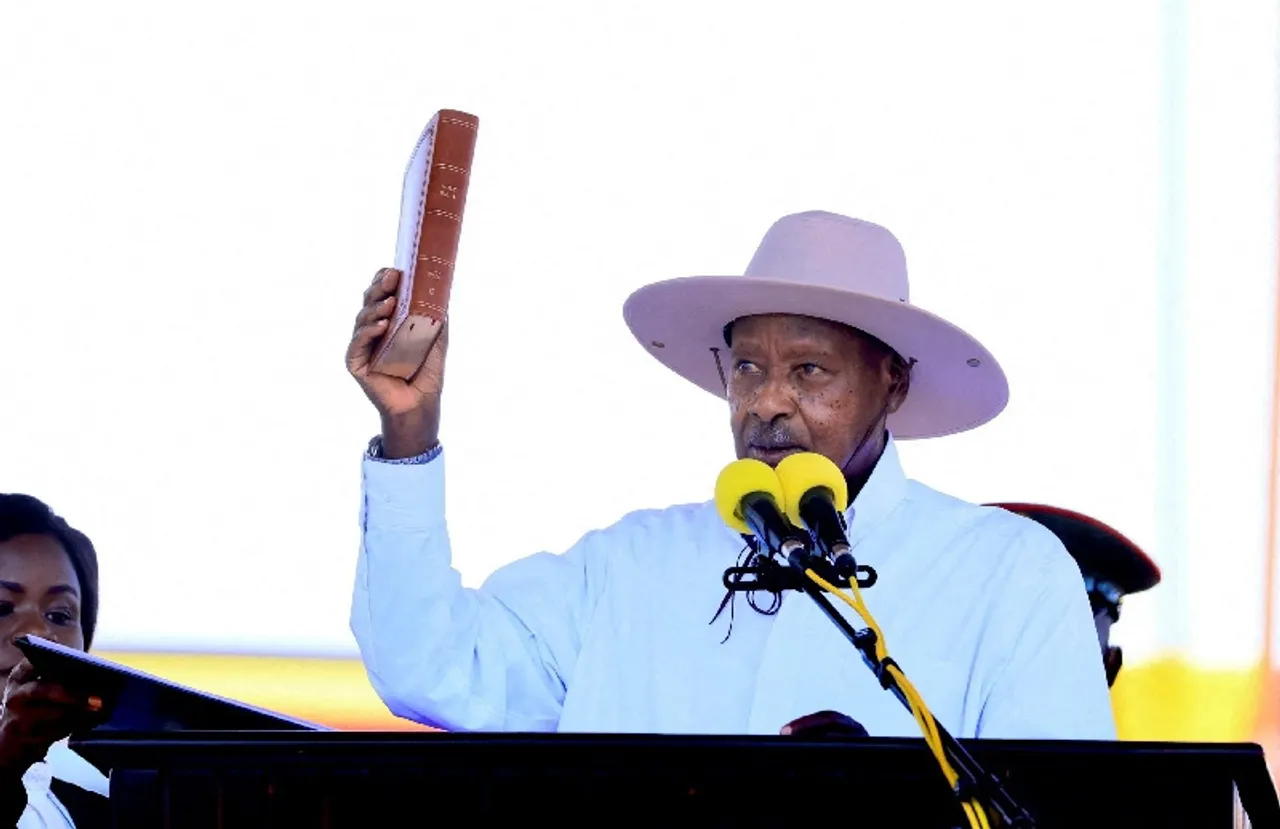
The legislation was signed into law by President Yoweri Museveni following its passage in parliament earlier this month.
The government says the measure is intended to strengthen national sovereignty and reduce what it describes as undue external interference in the country’s political and policy processes.
Under the new law, known as the Protection of Sovereignty Bill, it is now a criminal offence to promote the interests of a foreign entity in a manner considered contrary to Uganda’s national interest.
The law also requires individuals acting on behalf of foreign organisations to formally register with authorities.
It further restricts anyone working in a foreign capacity from participating in the development or implementation of government policy without prior approval.
Authorities say the legislation is designed to ensure that national decision-making remains fully under Ugandan control.
The law carries strict penalties for violations, including prison sentences of up to 10 years and substantial financial fines.
Government officials say the policy is aimed at safeguarding Uganda’s self-governance and protecting national institutions from external manipulation.
However, critics and economic stakeholders have raised concerns about its potential impact on investment flows and international partnerships.
The Governor of the Central Bank of Uganda, Michael Atingi-Ego, reportedly warned that the legislation could reduce foreign financial inflows and place pressure on the country’s foreign exchange reserves.
The development adds to ongoing debate within Uganda over the balance between national sovereignty and economic openness, as the country continues to navigate its relationship with international partners.
About The Author

















Leave a comment