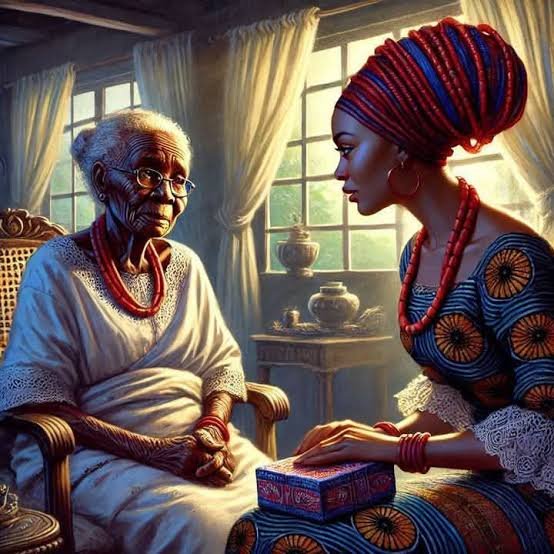
Home News Africa Africa’s Talking Drum: Mama Nkem Left Before Her Daughter Was Ready
Africa

Africa’s Talking Drum: Mama Nkem Left Before Her Daughter Was Ready

Share
Share

By: Chioma Madonna Ndukwu

Africa’s Talking Drum: Mama Nkem Left Before Her Daughter Was Ready

In Umuoma Village, people said that a mother’s love could cross a river without getting its wrapper wet. Nobody understood the meaning of those words better than Nkem, who had raised her only daughter, Adaeze, with two hands that never seemed to rest.

When Adaeze was born, Nkem’s husband had already joined his ancestors. She had no large farm, no wealthy relatives and no brother waiting to rescue her from hardship.

What she had was a small plot of land, a smoky cooking fire and a determination that refused to sleep.

She sold roasted groundnuts by the roadside, carried firewood from the forest and cultivated cassava during the rainy season.

Whenever Adaeze complained that her mother worked too hard, Nkem would smile and say, “A hen does not complain that her wings are tired when her chicks are still following her.”

Adaeze grew up watching her mother sacrifice one comfort after another. Nkem wore the same two wrappers for years so that her daughter could have school uniforms.

She sold her gold earrings when Adaeze needed examination fees. When the girl gained admission to a college in the city, Nkem sold the largest portion of her farmland.

“Mother, leave some land for yourself,” Adaeze pleaded.

Nkem laughed. “What will I do with land if my child has no road to walk on?”

Adaeze promised that she would one day repay everything.

Nkem shook her head. “A child does not repay a mother by returning the exact number of grains she once received. You simply grow well enough to give shade to someone else.”

Adaeze carried those words with her to the city.

She studied, found work and began sending money home. For the first time in her life, Nkem rested more than she worked. She still complained whenever Adaeze sent money.

“Keep some for yourself,” she would say.

“Mother, you spent everything on me.”

Nkem would laugh. “And did I ask you to return my old bones?”

Then, one rainy season, Nkem fell ill.

At first, she dismissed it as ordinary weakness. She continued cooking, sweeping and attending to the small garden behind the house.

But one morning, while reaching for a bucket, her knees gave way beneath her. When Adaeze heard, she returned to Umuoma immediately.

She took her mother to the hospital in the nearest town. She paid for tests, medicines and every treatment the doctors recommended.

When one doctor suggested that Nkem be taken to a larger hospital, Adaeze sold her car.

“Why are you doing all this?” Nkem asked from her hospital bed.

Adaeze looked at her.

“You did it for me.”

Nkem reached for her hand.

“My child, I did what mothers do.”

“And I will do what daughters do.”

For several weeks, Adaeze refused to leave her mother’s side. She slept on a chair beside the hospital bed and fed Nkem with her own hands.

Whenever Nkem’s condition worsened, Adaeze searched for another doctor, another treatment and another possibility.

One night, Nkem opened her eyes.

“Adaeze.”

“Yes, Mama.”

“Come closer.”

Adaeze bent towards her.

Nkem studied her face for a long moment.

“You have become a woman.”

Adaeze tried to smile. “You are only noticing now?”

Nkem smiled faintly.

“I have been watching you become one since the day you first carried your own bowl.”

Adaeze held her hand tightly.

“You will come home with me.”

Nkem did not answer.

“Mama, you will come home,” Adaeze repeated.

Nkem looked towards the window, where the rain was falling against the glass.

“My child, sometimes the road ends even when the traveller is not ready to stop.”

Adaeze shook her head.

“No. We are not talking like this.”

Nkem smiled.

“A child may hold her mother’s hand with all her strength, but she cannot hold back the morning.”

Adaeze began to cry.

“I have not done enough.”

Nkem turned towards her.

“You have done enough.”

“No, Mama. I have money now. I can take you anywhere. I can find another hospital.”

“My child.”

“I can still save you.”

Nkem’s eyes softened.

“Listen to me. You were never asked to save my life. I only wanted to give you one.”

Those were the last words Nkem spoke to her daughter. She died before sunrise.

For many months after the burial, Adaeze moved through life as if she had misplaced something important.

She returned to the city, but every success tasted strangely empty. She kept remembering the hospital bed, the medicines, the doctors and all the things she had tried.

Whenever the memory of her mother’s final night returned, one question followed it.

Why was everything I did not enough?

One evening, unable to bear the question any longer, Adaeze returned to Umuoma. She walked to the small farm her mother had once sold part of to pay her school fees.

The land had been left untouched since Nkem’s illness. Adaeze stood there until darkness began to gather.

Then she noticed something. Near the old boundary, a young tree had grown. She did not remember seeing it before.

She called an elderly neighbour who had known her mother.

“That tree came from your mother’s farm,” the woman told her.

Adaeze touched its small leaves.

“My mother planted it?”

The old woman smiled.

“Your mother planted many things.”

Adaeze looked around the land.

The cassava, the old mango tree, the narrow footpath, the well her mother had repaired, all of them carried traces of the woman who had spent her life preparing a future she would never live to see.

Then Adaeze finally understood. She had spent months asking why she had failed to save her mother.

But her mother had never measured her life by the day she died. She had measured it by the life she had given her daughter.

Adaeze sat beneath the young tree and wept until the tears became quieter.

The following morning, she returned to the city and began a small foundation for young girls whose mothers could not afford their education. She named it after Nkem.

Whenever anyone asked why she had done it, Adaeze would answer, “My mother spent her life planting trees whose shade she knew she might never sit beneath.”

Years later, when Adaeze had grown old, a young girl once asked her whether she still missed her mother.

Adaeze smiled.

“Every day.”

“Then why are you smiling?”

Adaeze looked towards the tree planted in Nkem’s name.

“Because grief is what love becomes when the person we love is no longer here to receive it. I learned to let mine grow.”

And that is why the people of Umuoma still tell the story of Mama Nkem and her daughter. Not because death is easy to accept, not because love can always prevent loss.

But because sometimes, a mother spends her entire life building a road she will never walk, and the greatest way her child can honour her is to keep walking.

Moral: A child may be unable to save a parent’s life and still have done everything love could ask of them. Some sacrifices are not meant to be repaid; they are meant to be continued.

Comment Hook: We do not always honour those we have lost by refusing to live without them. Sometimes, we honour them by allowing the love they gave us to become shelter for someone else.

About The Author

Share

Leave a comment

Leave a Reply

Your email address will not be published. Required fields are marked *

LATEST POST

Africa

Africa’s Talking Drum: Mama Nkem Left Before Her Daughter Was Ready

By: Chioma Madonna Ndukwu Africa’s Talking Drum: Mama Nkem Left Before Her Daughter Was Ready In Umuoma Village, people said that a mother’s...

Sport

Cash Reportedly Stolen From Super Falcons Players’ Hotel Rooms in Casablanca

Cash Reportedly Stolen From Super Falcons Players’ Hotel Rooms in Casablanca The Super Falcons’ preparations for the 2026 Women’s Africa Cup of Nations...

AfricaMetro

Harvard-Trained Nigerian-American Engineer Raises $7m for Robot Designed to Assist Hair Braiders A Nigerian-American engineer and Harvard graduate, Yinka Ogunbiyi, has secured $7 million in seed funding to develop a robotic device designed to make hair braiding faster and less physically demanding for professional stylists. Ogunbiyi’s company, HaloBraid, is developing what it describes as the world’s first patented braid-assist robot. The device is designed to work with hairstylists by handling some of the repetitive movements involved in knotless braiding. The funding round was led by Seven Seven Six, a venture capital firm founded by Reddit co-founder Alexis Ohanian. AlleyCorp and Bling Capital were also among the investors. The technology has already attracted significant interest, with more than 7,000 salons reportedly waiting to use the system. HaloBraid is designed as a collaborative robot, meaning it works alongside a human stylist instead of attempting to replace one. The hairstylist remains responsible for sectioning the hair, creating the initial knot and completing the final styling. The robot then assists with the repetitive weaving process down the length of the braid before the stylist returns to finish and shape the ends. According to the company, the technology could cut the time spent on some knotless braid appointments by roughly half, allowing salons to serve more clients while reducing the physical pressure on stylists. For Ogunbiyi, the idea was born from personal experience. During the COVID-19 pandemic, she spent four days installing knotless braids on herself, an experience that made her consider how technology could assist with the most repetitive aspects of the process. She subsequently teamed up with co-founder David Afolabi to develop HaloBraid. The company’s technology is also aimed at addressing the physical demands of professional braiding. Stylists who spend years performing repetitive movements can experience problems affecting their wrists, hands, shoulders, back and joints. By assisting with the most repetitive stage of braiding, HaloBraid hopes to reduce the strain on beauty professionals and help them work more efficiently. Ogunbiyi said the technology would not take away from the personal experience of visiting a salon. Rather, she believes it can allow stylists to spend less time on repetitive movements while continuing to handle the creative and personal aspects of hairstyling. Before launching HaloBraid, Ogunbiyi worked on smart kitchen appliances and Internet of Things products. She holds a joint master’s degree in engineering and business administration from Harvard University. With a $7 million investment and thousands of salons already expressing interest, HaloBraid is seeking to introduce robotics into one of the world’s largest and most labour-intensive beauty markets.

Harvard-Trained Nigerian-American Engineer Raises $7m for Robot Designed to Assist Hair Braiders A Nigerian-American engineer and Harvard graduate, Yinka Ogunbiyi, has secured $7...

Entertainment

Days to Their Wedding, VeryDarkMan Sends Peller and Jarvis a Serious Warning

Days to Their Wedding, VeryDarkMan Sends Peller and Jarvis a Serious Warning Social media critic Martins Vincent Otse, popularly known as VeryDarkMan, has...

Sport

IOC Declines to Investigate Infantino Over Alleged Political Neutrality Breach

IOC Declines to Investigate Infantino Over Alleged Political Neutrality Breach The International Olympic Committee has refused to pursue a complaint against FIFA President...

News

IMO APC YOUTH LEAGUE INAUGURATES BOOTH WATCHDOGS, WARD CANVASSERS TO STRENGTHEN GRASSROOTS STRUCTURE AHEAD OF 2027

The Imo State Chapter of the APC Youth League on Thursday, July 23, 2026, successfully hosted its Interactive Session and Banquet at the...

Travel

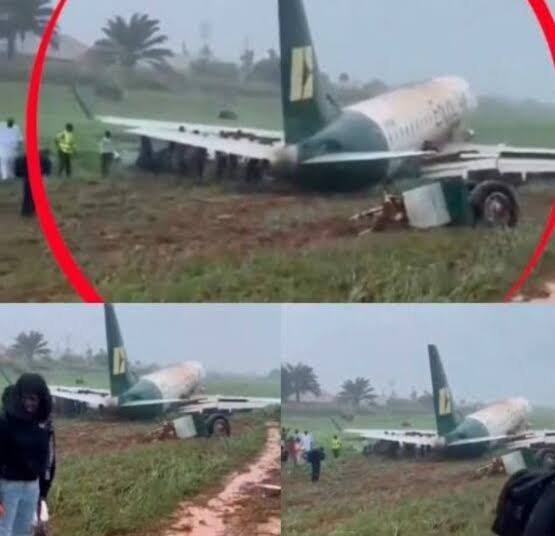
VIDEO: 68 Passengers Survive Enugu Air Crash-Landing at Benin Airport

VIDEO: 68 Passengers Survive Enugu Air Crash-Landing at Benin Airport Sixty-eight passengers have escaped without reported injuries after an Enugu Air aircraft crash-landed...

News

WASTE EVACUATION DELAYS WILL SOON EASE* *– LAWMA*

*PRESS RELEASE* *WASTE EVACUATION DELAYS WILL SOON EASE* *– LAWMA* *LASG to Acquire 3,000 Compactor Trucks Within Three Years* The Lagos Waste Management...

AfricaMetro

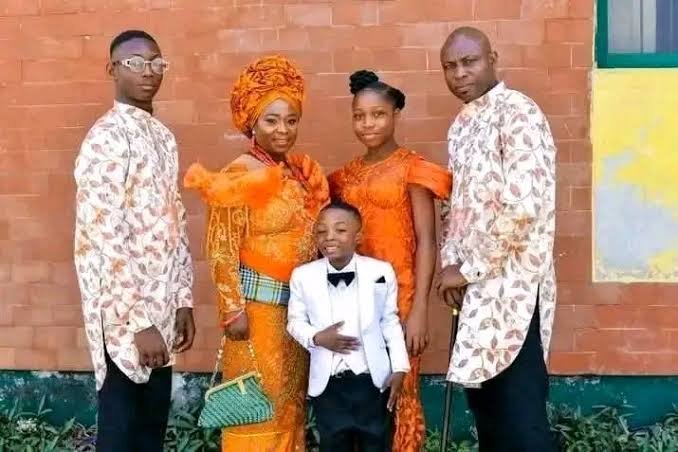
5 Members of Same Family Found Dead Inside Abia Residence

5 Members of Same Family Found Dead Inside Abia Residence A family of five has been found dead inside their residence in Umuimo...

Africa

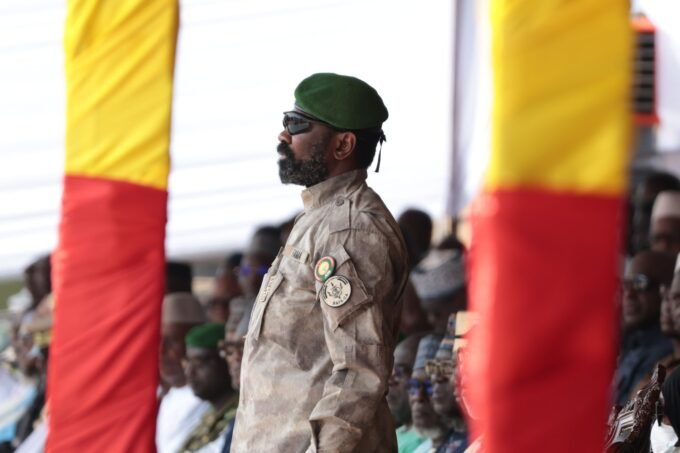
US Weighs Military Action in Mali as Jihadist Threat Spreads Across the Sahel

US Weighs Military Action in Mali as Jihadist Threat Spreads Across the Sahel The United States is weighing possible military action against Jama’at...

Africa

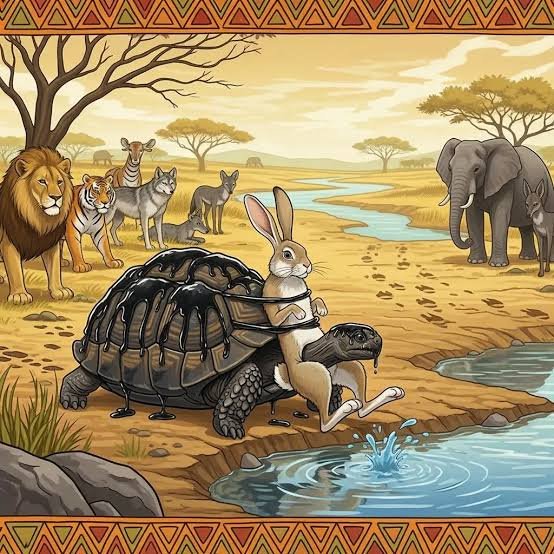
African Talking Drum: Tortoise Lost More Than His Name

By: Chioma Madonna Ndukwu African Talking Drum: Tortoise Lost More Than His Name In the old days, before the animals began keeping count...

Related Articles

Harvard-Trained Nigerian-American Engineer Raises $7m for Robot Designed to Assist Hair Braiders A Nigerian-American engineer and Harvard graduate, Yinka Ogunbiyi, has secured $7 million in seed funding to develop a robotic device designed to make hair braiding faster and less physically demanding for professional stylists. Ogunbiyi’s company, HaloBraid, is developing what it describes as the world’s first patented braid-assist robot. The device is designed to work with hairstylists by handling some of the repetitive movements involved in knotless braiding. The funding round was led by Seven Seven Six, a venture capital firm founded by Reddit co-founder Alexis Ohanian. AlleyCorp and Bling Capital were also among the investors. The technology has already attracted significant interest, with more than 7,000 salons reportedly waiting to use the system. HaloBraid is designed as a collaborative robot, meaning it works alongside a human stylist instead of attempting to replace one. The hairstylist remains responsible for sectioning the hair, creating the initial knot and completing the final styling. The robot then assists with the repetitive weaving process down the length of the braid before the stylist returns to finish and shape the ends. According to the company, the technology could cut the time spent on some knotless braid appointments by roughly half, allowing salons to serve more clients while reducing the physical pressure on stylists. For Ogunbiyi, the idea was born from personal experience. During the COVID-19 pandemic, she spent four days installing knotless braids on herself, an experience that made her consider how technology could assist with the most repetitive aspects of the process. She subsequently teamed up with co-founder David Afolabi to develop HaloBraid. The company’s technology is also aimed at addressing the physical demands of professional braiding. Stylists who spend years performing repetitive movements can experience problems affecting their wrists, hands, shoulders, back and joints. By assisting with the most repetitive stage of braiding, HaloBraid hopes to reduce the strain on beauty professionals and help them work more efficiently. Ogunbiyi said the technology would not take away from the personal experience of visiting a salon. Rather, she believes it can allow stylists to spend less time on repetitive movements while continuing to handle the creative and personal aspects of hairstyling. Before launching HaloBraid, Ogunbiyi worked on smart kitchen appliances and Internet of Things products. She holds a joint master’s degree in engineering and business administration from Harvard University. With a $7 million investment and thousands of salons already expressing interest, HaloBraid is seeking to introduce robotics into one of the world’s largest and most labour-intensive beauty markets.

Harvard-Trained Nigerian-American Engineer Raises $7m for Robot Designed to Assist Hair Braiders...

5 Members of Same Family Found Dead Inside Abia Residence

5 Members of Same Family Found Dead Inside Abia Residence A family...

US Weighs Military Action in Mali as Jihadist Threat Spreads Across the Sahel

US Weighs Military Action in Mali as Jihadist Threat Spreads Across the...

African Talking Drum: Tortoise Lost More Than His Name

By: Chioma Madonna Ndukwu African Talking Drum: Tortoise Lost More Than His...