

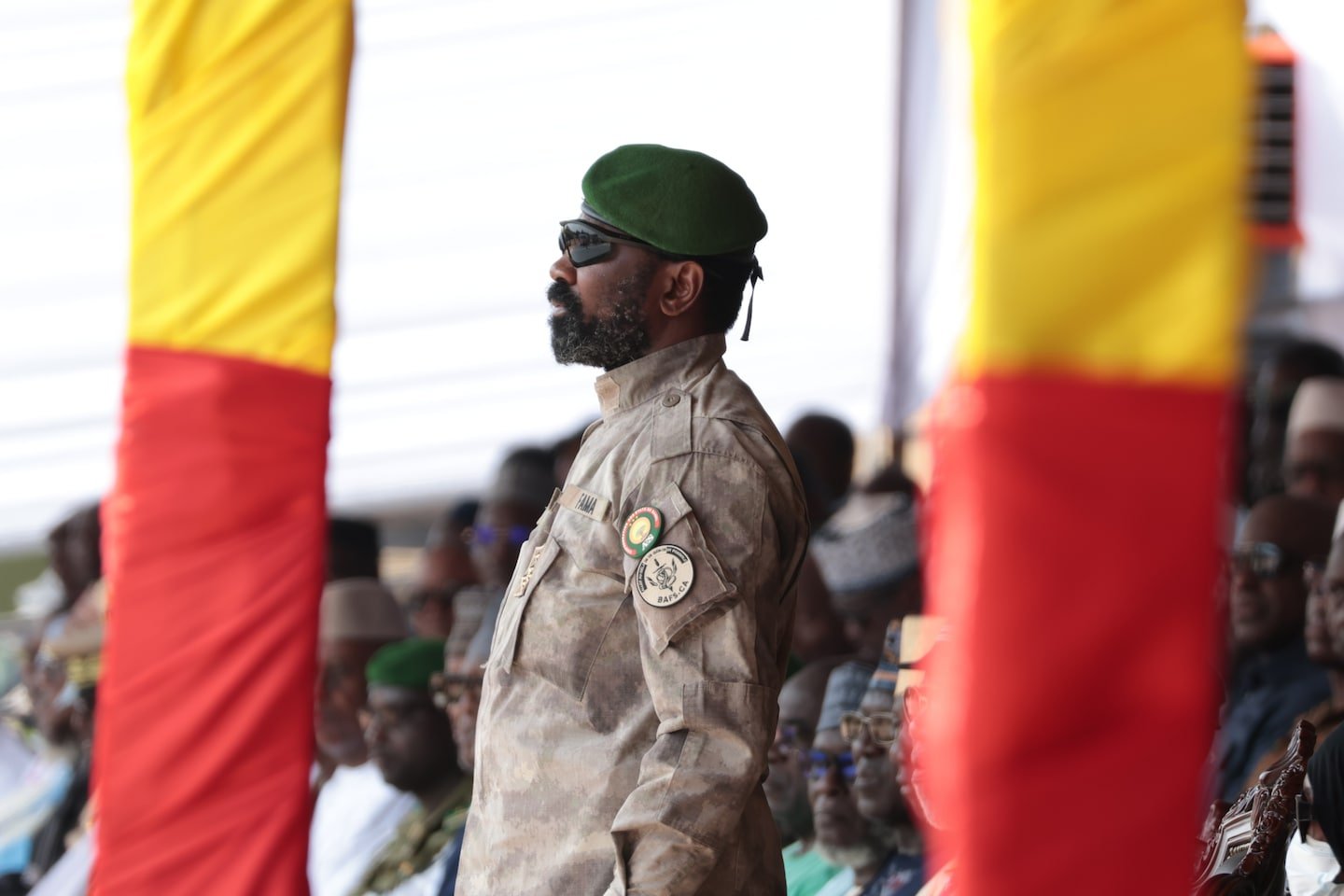
US Weighs Military Action in Mali as Jihadist Threat Spreads Across the Sahel
The United States is weighing possible military action against Jama’at Nusrat al-Islam wal-Muslimin, an al-Qaeda-linked militant organisation whose growing influence is deepening the security crisis across the Sahel.
The discussions come as Mali faces a new wave of attacks from jihadist fighters and separatist forces operating in an increasingly coordinated manner.
JNIM is primarily based in Mali but has established a wider presence across Burkina Faso and southwestern Niger.
Its activities have also been linked to attacks in Nigeria, including violence reported in Kwara State.
The militant group has reportedly strengthened its position through an alliance with the Azawad Liberation Front, a Tuareg-led separatist organisation.
Together, the two groups have mounted attacks that have left hundreds dead in recent months.
The latest major assault came last weekend when fighters ambushed a military convoy travelling between Anefis and Gao in northern Mali.
More than 50 Malian soldiers and Russian fighters allied with the military were reportedly killed in the attack, while others were forced to flee.
The assault followed a series of attacks that have exposed the growing pressure on Mali’s military authorities.
In April, coordinated violence struck several locations, including an airport in the capital, Bamako. Defence Minister Sadio Camara was also assassinated during the escalating crisis.
The deteriorating situation has prompted renewed concern across Africa. The African Union has condemned the attacks in Mali and Niger and called for stronger cooperation between countries confronting terrorism and organised criminal networks.
The continental body has urged greater intelligence-sharing, improved border security, closer operational coordination and stronger efforts to cut off the financial networks supporting terrorist groups.
The United States, meanwhile, appears determined to avoid being drawn into another open-ended military commitment in Africa.
Nick Checker, a senior official in the US African Bureau, said Washington remained concerned about the resurgence of jihadist terrorism but indicated that any American engagement would be aimed at supporting regional efforts rather than establishing a permanent US military presence.
He said American engagement with Niger, Mali and Burkina Faso was focused on strengthening regional ownership and encouraging cooperation against terrorist groups whose activities increasingly cross national borders.
For Mali, however, the challenge is becoming harder to contain. As jihadist fighters and separatist forces deepen their cooperation, the violence is no longer confined to isolated corners of the Sahel. It is steadily becoming a regional security threat.
About The Author
















Leave a comment