

By: The Editor-in-Chief
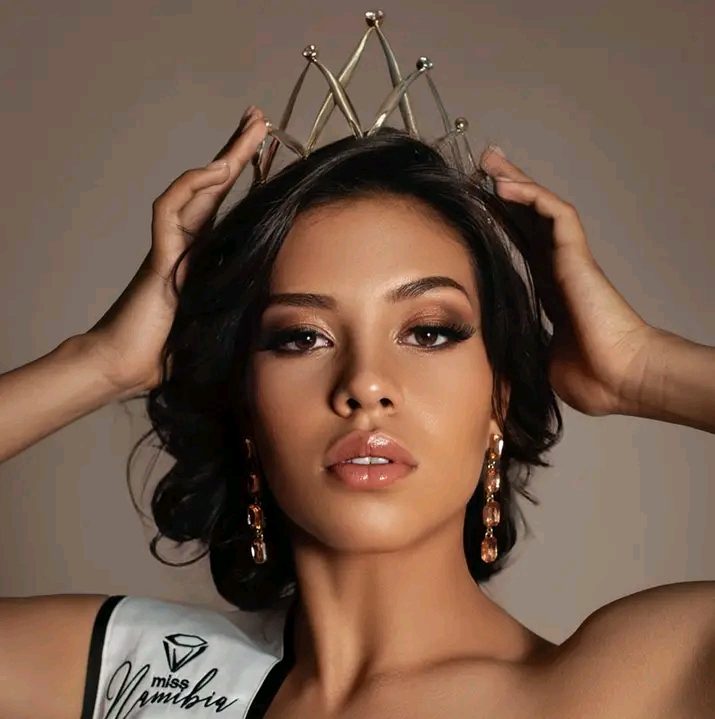
Cassia Sharpley’s audacious endeavor to challenge Namibia’s presidential age limit has injected a refreshing energy into the nation’s political discourse, prompting a reevaluation of traditional norms and sparking intriguing debates on constitutional dynamics.
In a society often bound by age-related prerequisites, the 23-year-old former Miss Namibia has defied expectations, signaling a break from conventional political standards. As she unveils her vision on Instagram, offering a glimpse into her “journey towards becoming President of the Republic of Namibia,” Sharpley invites the nation to witness a paradigm shift in political leadership.
As Namibia stands on the cusp of its seventh presidential election, Sharpley’s entry into the race adds an unconventional dimension, introducing the possibility of a youthful leader steering the nation. The elections, slated for November, will not only determine a new president but also shape the composition of the National Assembly.
This bold move has not only challenged constitutional constraints but has also ignited conversations about the evolving nature of political leadership. Sharpley’s candidacy raises critical questions about whether age and experience should remain steadfast prerequisites for the nation’s highest office or if it’s time to reevaluate these criteria in favor of fresh perspectives and innovative ideas.
Namibians, captivated by Sharpley’s unprecedented candidacy, find themselves at a crossroads—contemplating the potential ramifications of embracing a youthful leader. Does Sharpley’s bid signify a turning point, urging a broader reconsideration of political norms, or will it be a unique chapter in Namibia’s political history?
The upcoming election holds more than just the prospect of selecting a new leader, it is a litmus test for the adaptability of Namibia’s political landscape, challenging the status quo and paving the way for a new era of politics.
About The Author
















Leave a comment