By: Chioma Madonna Ndukwu
African Health Leaders See Foreign Aid Cuts as Path to Self-Reliance
Health leaders across Africa have described recent cuts in Western aid as a turning point that could accelerate the continent’s drive toward healthcare independence and long-term sustainability.
Speaking at the World Health Summit in Nairobi, top officials said the reduction in donor funding, particularly from the United States, should serve as a catalyst for African nations to strengthen their own healthcare systems and reduce dependence on foreign assistance.
The three-day gathering, which brought together 15 African health ministers alongside thousands of experts, researchers and development partners, focused heavily on the theme of health sovereignty.
Delegates stressed the need for African countries to finance, manage and innovate within their own health sectors.
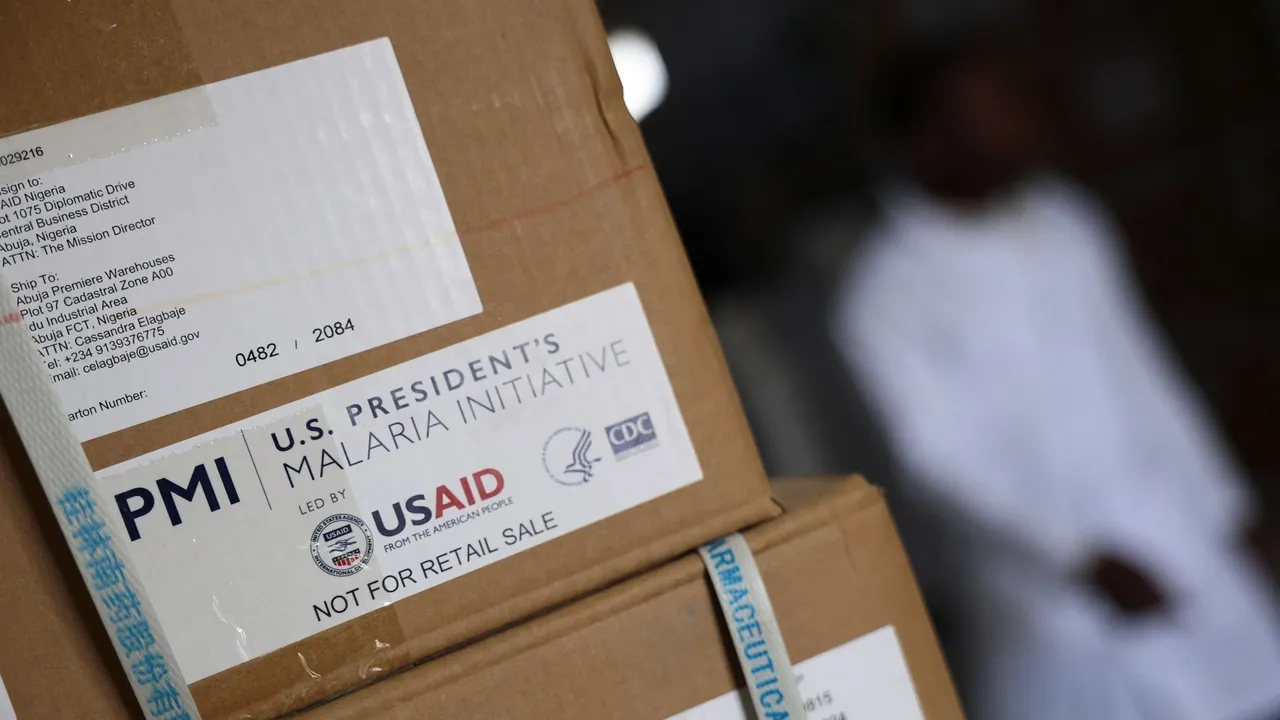
The debate follows the controversial decision by US President Donald Trump to dismantle the United States Agency for International Development (USAID), ending decades of large-scale American support across the continent.
Lukoye Atwoli, one of the summit’s organisers, said many African governments have already made significant investments in healthcare infrastructure and insurance, proving that the continent is capable of charting its own course.
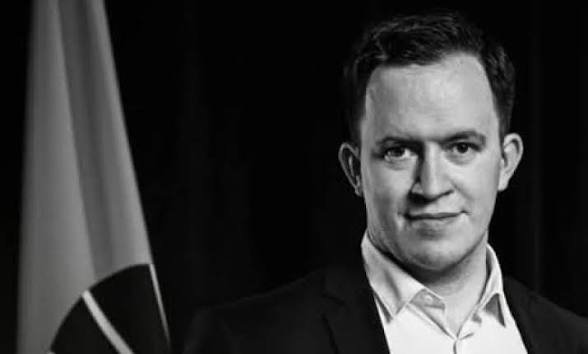
World Health Summit President Axel Pries described the aid cuts as a necessary, though abrupt, wake-up call.
He noted that while donor support was never meant to last indefinitely, the sudden withdrawal has disrupted critical medical services for millions.
Pries also raised concerns about the growing shift toward bilateral aid agreements, warning that some arrangements could expose African nations to unfair demands, particularly regarding access to sensitive health data and strategic resources.
For many participants, the message was clear: Africa must seize this moment to build resilient healthcare systems driven by local priorities, funding and innovation.


Veterinarians central to public health policy, says Lagos NVMA chair
Fireside African Tales: He Stole a Giant Yam at Night… But What Happened at Dawn Will Surprise You
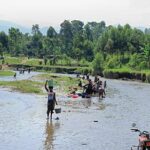
Over 20 Feared Dead After Boat Capsizes on Uganda’s Nguse River
Ex-French Soldier Detained in Madagascar Over Alleged Coup Plot, Embassy Official Expelled
Mali Under Siege: Goita Breaks Silence After Deadly Terror Attacks Malian transitional leader Assimi Goïta has finally addressed the nation following a wave of deadly attacks that plunged the country into fresh turmoil, insisting that the security situation remains firmly under control. Goita’s televised address on Tuesday marked his first public appearance since coordinated assaults erupted over the weekend, leaving dozens dead and reigniting fears over Mali’s worsening security crisis. Describing the attacks as a moment of “extreme gravity,” the military leader assured citizens that security forces had intensified operations across affected areas and were working tirelessly to restore stability. “Security arrangements have been reinforced. The situation is under control, and clearing operations, intelligence gathering, and search efforts are continuing,” Goita declared. The attacks, launched on Saturday, targeted multiple locations, including areas near the capital, Bamako, in one of the most serious security breaches in recent months. Malian forces have been battling a coalition of Tuareg separatists and fighters linked to the al-Qaeda-affiliated Jama’at Nasr al-Islam wal Muslimin (JNIM). At least 23 people were reportedly killed during two days of fierce clashes, according to hospital sources. Among the casualties was Defence Minister Sadio Camara, a development that has sent shockwaves through Mali’s military establishment. Seeking to rally the nation, Goita urged Malians to reject division and remain united against forces threatening the country’s sovereignty. Earlier, the presidency released photographs of the leader visiting wounded soldiers and civilians, as well as meeting Russian Ambassador Igor Gromyko, who reaffirmed Moscow’s support for Mali’s fight against terrorism. The latest violence has revived memories of the 2012 uprising, when Tuareg rebels and Islamist militants overran northern Mali, triggering a prolonged conflict that continues to destabilise the Sahel nation.
Xenophobic attacks erode South Africa’s soft power — Expert
The Killing of Oghenemine and Nigeria’s Ongoing Struggle with Police Brutality
Unpacking South Africa–Nigeria Tensions and the Path Forward