By: Chioma Madonna Ndukwu
Over 20 Feared Dead After Boat Capsizes on Uganda’s Nguse River
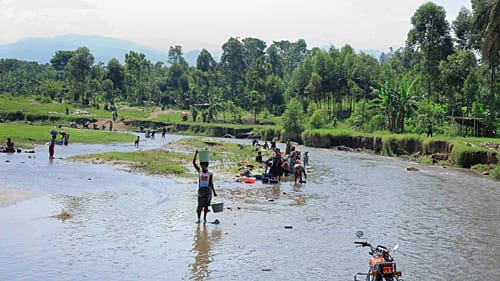
A search and rescue operation is ongoing in western Uganda after a boat carrying more than 30 passengers capsized on the Nguse River, leaving at least 20 people feared dead.
The incident occurred on Tuesday evening in Kigadi District when the vessel, said to be a locally made canoe, overturned while transporting passengers and bags of charcoal.
Eight survivors have been rescued and are currently receiving medical treatment, while emergency teams continue efforts to locate those still missing.
Authorities have also called on relatives of passengers to assist in identifying victims.
Marine police have launched an investigation into the cause of the accident.
Preliminary reports suggest that overloading, travelling at night, and the condition of the boat may have contributed to the tragedy.
Boat accidents remain a recurring problem in the region, often blamed on poor safety standards and overcrowding.
The latest incident is another reminder of the dangers many communities face while relying on water transport.


Fireside African Tales: He Stole a Giant Yam at Night… But What Happened at Dawn Will Surprise You
African Health Leaders See Foreign Aid Cuts as Path to Self-Reliance
Ex-French Soldier Detained in Madagascar Over Alleged Coup Plot, Embassy Official Expelled
Mali Under Siege: Goita Breaks Silence After Deadly Terror Attacks Malian transitional leader Assimi Goïta has finally addressed the nation following a wave of deadly attacks that plunged the country into fresh turmoil, insisting that the security situation remains firmly under control. Goita’s televised address on Tuesday marked his first public appearance since coordinated assaults erupted over the weekend, leaving dozens dead and reigniting fears over Mali’s worsening security crisis. Describing the attacks as a moment of “extreme gravity,” the military leader assured citizens that security forces had intensified operations across affected areas and were working tirelessly to restore stability. “Security arrangements have been reinforced. The situation is under control, and clearing operations, intelligence gathering, and search efforts are continuing,” Goita declared. The attacks, launched on Saturday, targeted multiple locations, including areas near the capital, Bamako, in one of the most serious security breaches in recent months. Malian forces have been battling a coalition of Tuareg separatists and fighters linked to the al-Qaeda-affiliated Jama’at Nasr al-Islam wal Muslimin (JNIM). At least 23 people were reportedly killed during two days of fierce clashes, according to hospital sources. Among the casualties was Defence Minister Sadio Camara, a development that has sent shockwaves through Mali’s military establishment. Seeking to rally the nation, Goita urged Malians to reject division and remain united against forces threatening the country’s sovereignty. Earlier, the presidency released photographs of the leader visiting wounded soldiers and civilians, as well as meeting Russian Ambassador Igor Gromyko, who reaffirmed Moscow’s support for Mali’s fight against terrorism. The latest violence has revived memories of the 2012 uprising, when Tuareg rebels and Islamist militants overran northern Mali, triggering a prolonged conflict that continues to destabilise the Sahel nation.
Xenophobic attacks erode South Africa’s soft power — Expert
African Union Condemns Mali Attacks, Reaffirms Support for Security Forces Amid Rising Violence
The Killing of Oghenemine and Nigeria’s Ongoing Struggle with Police Brutality
Unpacking South Africa–Nigeria Tensions and the Path Forward
Veterinarians central to public health policy, says Lagos NVMA chair