

By: Chioma Madonna Ndukwu
Africa’s Talking Drum: The Day the Goats Began to Laugh
In the hillside kingdom of Nduru, fear lived like an unpaid debt, always present. And at the center of that fear stood the Leopards.
The people spoke in low voices. Market women looked over their shoulders before complaining about taxes. Farmers avoided discussing leaders openly, even inside their own compounds.
For many seasons, the Leopards ruled Nduru with claws sharper than justice itself. They controlled the grain stores, guarded the king’s court, and moved through the villages like owners inspecting property.
Whenever anyone questioned them, the answer was always the same: “Be careful. Leopards do not forgive.” So the people endured.
Even when harvest taxes doubled, and village wells dried while palace fountains overflowed. Even when young men disappeared after speaking too boldly at moonlight gatherings.
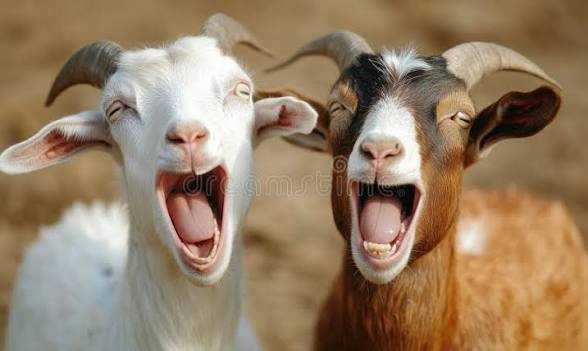
The Goats suffered the most. They carried loads to the market. Paid the heaviest levies. Yet they were mocked constantly for being timid creatures.
“Goats were born to tremble,” the Leopards often sneered. And perhaps for many years, it seemed true. Then one dry season, something unusual happened.
An old Goat named Meka returned to Nduru after many years wandering distant lands. His beard was grey, his legs weak, but his eyes still carried stubborn fire.
One evening, while villagers whispered fearfully beneath an iroko tree, Meka suddenly burst into laughter. Not polite laughter. Not drunken laughter. Deep, uncontrollable laughter.
The villagers stared at him in shock. “Have you lost your senses?” one woman whispered. “What if the Leopards hear you?”
But Meka wiped tears from his eyes and laughed even harder. “I have travelled far,” he said between breaths, “and I discovered something strange.”
“What?” the villagers asked nervously.
“The Leopards are not as powerful as our fear makes them look.” Silence fell heavily across the gathering as nobody slept well that night.
But the next morning, people kept thinking about Meka’s words. And slowly, tiny changes began appearing across Nduru.
A farmer questioned an unfair levy publicly. A market woman refused to bribe a palace guard.
Young drummers began singing songs that mocked greed and arrogance.
At first, the Leopards reacted with rage. They roared loudly through the streets. Issued threats. Arrested a few troublemakers. But something had already shifted.
The fear that once fed their power was beginning to crack. And fear, once laughed at openly, rarely regains its full strength.
One evening, as villagers gathered again beneath the iroko tree, Meka spoke softly: “The day the goat realizes the leopard also bleeds, the forest changes forever.”
The words travelled through Nduru like smoke carried by wind. Not long after, the Leopards still existed, but they no longer ruled untouched by questions, resistance, or accountability.
Because the people had discovered a dangerous truth: Power often survives not only through strength… but through the belief that it can never be challenged.
Moral: Fear loses its grip the moment ordinary people stop treating power as untouchable.
Comment Hook:
Why do you think fear keeps people silent even when many are suffering the same problems?
About The Author
















Leave a comment