

Ebola Returns Across Central Africa and Why Knowing the Early Signs Could Save Lives
“Where the body speaks in fever, wisdom must answer in urgency.”
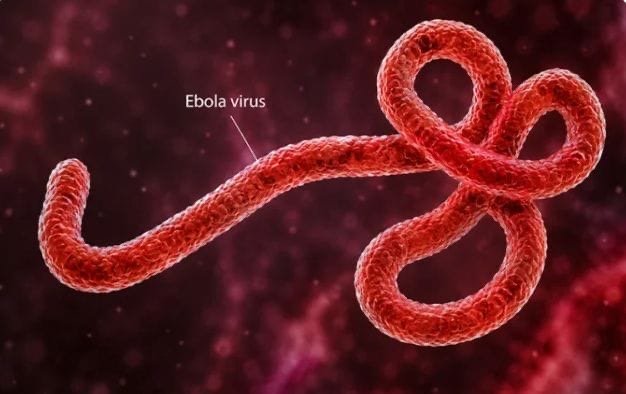
That old line in public health circles feels newly alive again as Ebola re-emerges across parts of Central Africa, with confirmed cases in the Democratic Republic of Congo and spillover infections reported in Uganda.
The World Health Organization (WHO) has classified the situation as a Public Health Emergency of International Concern, warning that while the world is not yet facing a pandemic, early detection gaps and quiet community transmission are allowing the virus to move faster than expected.
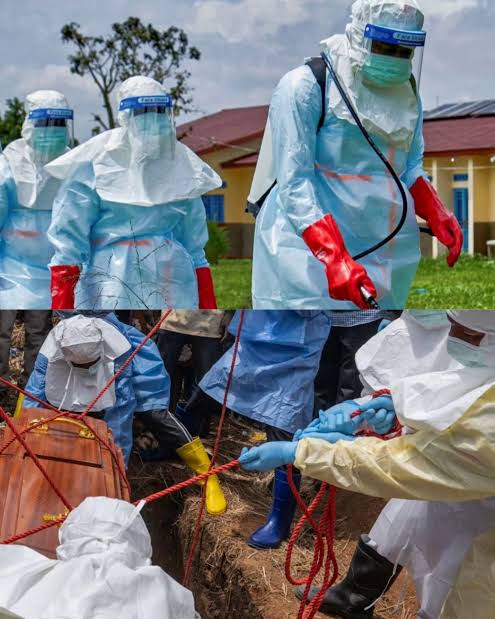
Ebola is not spread through air or casual contact. It travels through direct contact with infected bodily fluids, contaminated surfaces, or unsafe burial rituals.
As WHO infectious disease specialists note, including Dr. Mike Ryan, Executive Director of WHO Health Emergencies Programme, “Outbreak control begins and ends with breaking chains of transmission.”
In this current flare-up, the Bundibugyo strain is suspected, and early spread is believed to have gone unnoticed due to weak testing systems in remote communities, giving the virus time to circulate before being identified.
The signs to watch are simple but dangerous in their similarity to common illness: sudden high fever, extreme weakness, severe headache, muscle and joint pain, sore throat, followed by vomiting, diarrhoea, rash, and in severe stages, unexplained bleeding.
Dr. Céline Gounder, infectious disease expert and CBS News medical contributor, has repeatedly emphasized during Ebola coverage that “early recognition is everything, because delay is where mortality grows.”
That warning reflects a key truth: Ebola often hides in plain sight at first, mistaken for malaria or typhoid.
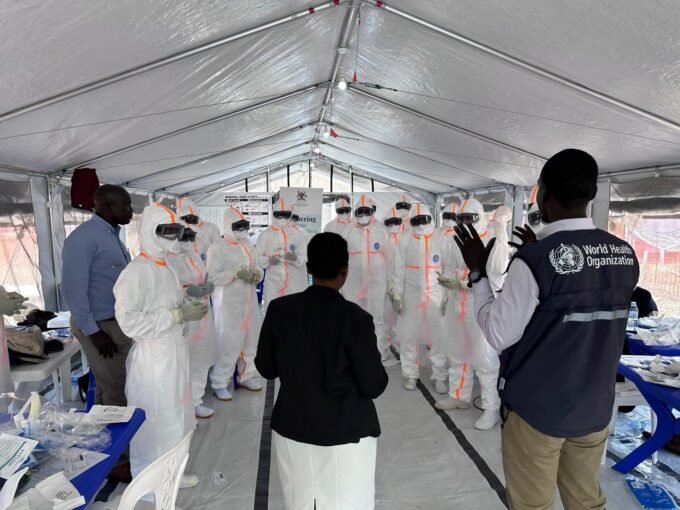
Containment now rests on fast reporting, contact tracing, safe burials, and strict hospital infection control, while experimental vaccines and treatments are being accelerated but remain limited for this strain.
The Africa Centres for Disease Control and Prevention (Africa CDC) has stressed that “community trust is as important as clinical tools in outbreak response,” a reminder that science alone cannot win without cooperation on the ground.
For readers, the message is simple: Ebola is most dangerous in silence, but most controllable when identified early and reported without delay.
About The Author




















Leave a comment