

By Ollus Ndomu
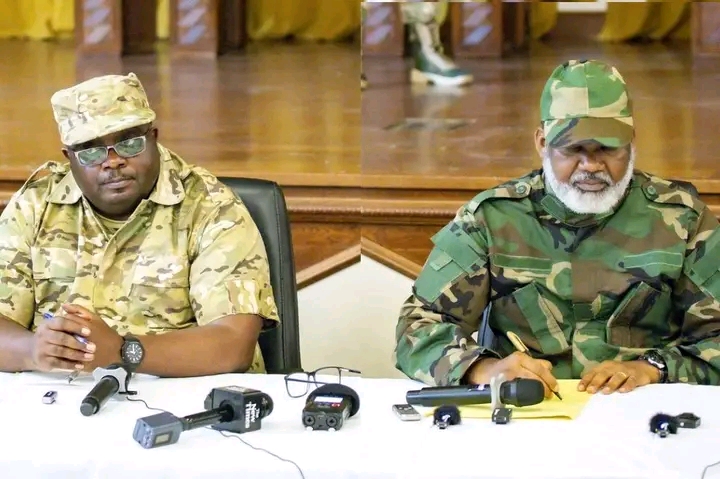
After months of brutal fighting and growing international concern, the Democratic Republic of Congo (DRC) and the M23 rebel movement signed a ceasefire on April 23, 2025, in Goma. The deal, brokered by Qatar, is being hailed as a diplomatic breakthrough. But scratch beneath the surface, and serious questions arise: Is this genuine peace or just a breather in a long, complex conflict?
What the Agreement Says—and Doesn’t Say
At face value, the ceasefire commits both parties to an immediate halt in fighting, rejection of hate speech, and a pledge to continue dialogue. That’s important.
But what’s missing is just as crucial. The agreement offers no clear plan for disarmament, no mechanisms for enforcement, and no mention of who controls Eastern Congo’s valuable mining zones. Three months ago, M23 forces were advancing deep into mineral-rich territories, reportedly with Rwandan support. The sudden shift isn’t out of goodwill; it’s war fatigue, economic strain, and mounting regional pressure.
Qatar’s Quiet Power Move
With regional blocs like SADC, the East African Community, and even the African Union struggling to get both sides to the table, Qatar’s involvement is striking. The Gulf state has remained behind the scenes, positioning itself as a global peace broker. This is part of Doha’s long game: invest in peace, and the doors to African markets and influence open wide.
The Rwandan Variable
While Rwanda denies backing M23, its fingerprints are hard to ignore. UN reports consistently link Kigali to M23 operations, especially in the resource-rich eastern provinces. President Kagame’s silence on this deal says plenty; his influence remains, even if it’s not on the paperwork.
Tshisekedi’s Political Gamble
For President Félix Tshisekedi, the ceasefire is a double-edged sword. If peace holds, he shores up political capital before elections. If M23 regroups, he faces backlash for negotiating with rebels. His army, recently boosted by South African support, may have needed this ceasefire as a tactical pause more than a diplomatic win.
What Comes Next
There are four possible outcomes:
- M23 demobilizes and a political solution emerges.
- Rebels regroup and fighting resumes by mid-year.
- Rwanda asserts influence, leading to a broader regional flare-up.
- The Qatar-led model redefines conflict mediation in Africa—free from Western dominance.
Bottom Line
This ceasefire is a start, but not a solution. The real test isn’t at the negotiation table. It’s whether minerals serve people, not warlords; whether guns fall silent for years, not days; and whether refugees return home, not to new camps.
Until then, this agreement is a comma; not a full stop in the DRC’s long road to peace.
About The Author














Leave a comment