

By : Chinasaokwu Helen Okoro
Chaos in the Capital: Sowore-Led Protesters Clash with Security Forces in Abuja Over Nnamdi Kanu’s Detention
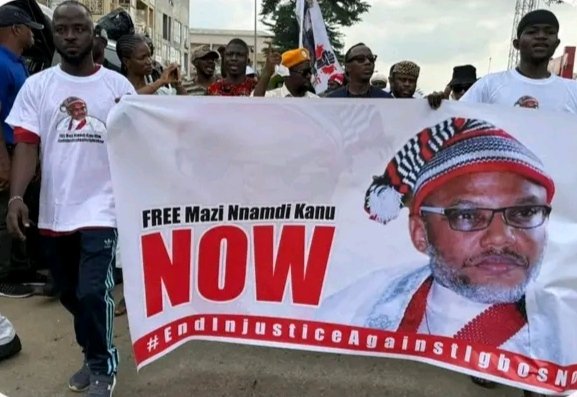
Abuja — The usually calm streets of Nigeria’s capital descended into chaos on Monday as protesters demanding the release of detained Indigenous People of Biafra (IPOB) leader, Nnamdi Kanu, clashed with security operatives. The demonstration, led by human rights activist and former presidential candidate Omoyele Sowore, turned violent after police attempted to disperse the crowd gathered at the Unity Fountain.
Hundreds of demonstrators, waving Biafran flags and placards inscribed with messages such as “Free Nnamdi Kanu Now” and “Justice for All Nigerians”, defied early morning warnings from the police not to assemble. The protesters chanted solidarity songs, calling Kanu’s continued detention “a stain on Nigeria’s democracy.”
By mid-morning, the atmosphere grew tense as more protesters joined the rally, some draped in IPOB colors, others in the signature orange berets of Sowore’s Take It Back movement. According to eyewitnesses, security operatives—comprising police officers and members of the Department of State Services (DSS)—moved in with tear gas canisters, water cannons, and rubber bullets to break up the demonstration.
What began as a peaceful protest quickly spiraled into pandemonium. Clouds of tear gas filled the air as protesters scattered in different directions, coughing and shielding their faces. Some responded by hurling stones and plastic bottles, prompting a fierce response from the security forces. Within minutes, the Unity Fountain area resembled a war zone—smoke rising, sirens wailing, and armed officers chasing protesters through nearby streets.
Sowore, who has been a vocal critic of President Bola Tinubu’s administration, was seen addressing the crowd shortly before the confrontation. “We are here to demand justice, not violence,” he shouted through a megaphone. “Nnamdi Kanu has been illegally detained for too long, and Nigerians will no longer stay silent while our rights are trampled upon.”
Reports indicate that at least 23 protesters were arrested, while several others sustained injuries. Among those detained were journalists covering the event, who alleged that security operatives seized their cameras and phones. Human rights organizations have since condemned the crackdown, calling it another example of Nigeria’s shrinking civic space.
The police, however, maintained that the protesters acted unlawfully. In a statement released later in the day, FCT Police Command spokesperson, Josephine Adeh, said the demonstrators failed to obtain permission for the gathering and engaged in “acts capable of breaching public peace.” She described the protesters as “misguided elements seeking to destabilize the city.”
The clash marks the latest in a series of protests calling for Kanu’s release since the Supreme Court ruled in December 2023 that his continued detention violated due process. Despite the ruling, the Federal Government has refused to release him, citing “national security concerns.”
Kanu, leader of IPOB, was first arrested in 2015 and has faced charges including treason and terrorism. His re-arrest in 2021 after being forcibly returned to Nigeria from Kenya reignited tensions in the South-East and fueled allegations of government persecution.
Sowore, himself a frequent target of state repression, was detained in 2019 for organizing the “Revolution Now” protests. His involvement in the current agitation has drawn mixed reactions. While some hail him as a fearless defender of democracy, others accuse him of exploiting Kanu’s cause for political relevance.
As night fell over Abuja, remnants of the protest still lingered—burnt debris littered the streets, and armored vehicles patrolled key intersections. Activists vowed to continue their demonstrations until Kanu is freed.
“This is not the end,” said one protester, visibly shaken but defiant. “They can arrest us, beat us, or tear gas us, but the truth will not die. Nnamdi Kanu must be released.”
For many Nigerians, Monday’s clash underscored a deepening divide between the government and its citizens, a reflection of growing frustration with perceived injustice and authoritarianism. As Abuja’s streets return to uneasy calm, one question echoes through the nation: how long can Nigeria’s democracy endure such storms before it breaks?

About The Author

 PASPEC Calls for Justice for Late Ochanya Ogbanje
  Nigeria :Tension in Abuja as Police Arraigned Nnamdi Kanu’s Lawyer, Brother, and 11 Others at Kuje
 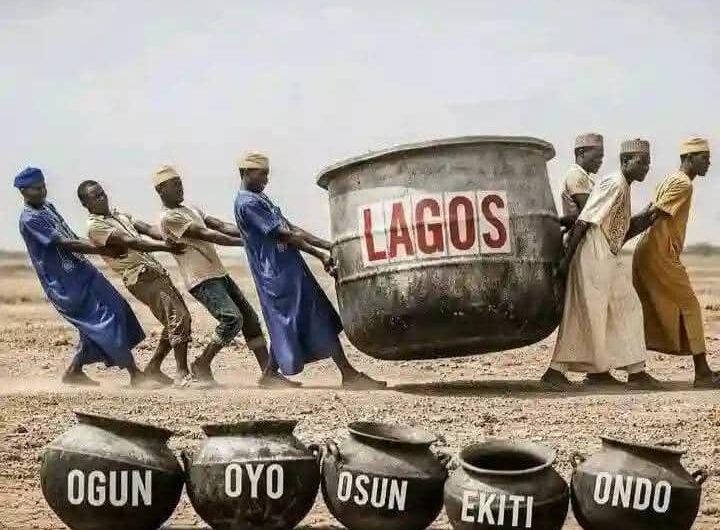 Nigeria: Drama Over Lagos Indigenes Versus Yorubas From Other States
 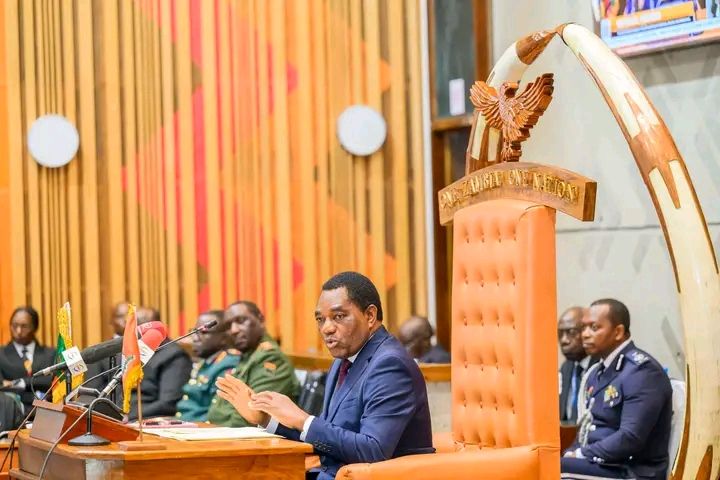 Zambia’s Hichilema’s Makes His Case: Stabilisation, Reform and the Road to 2026
 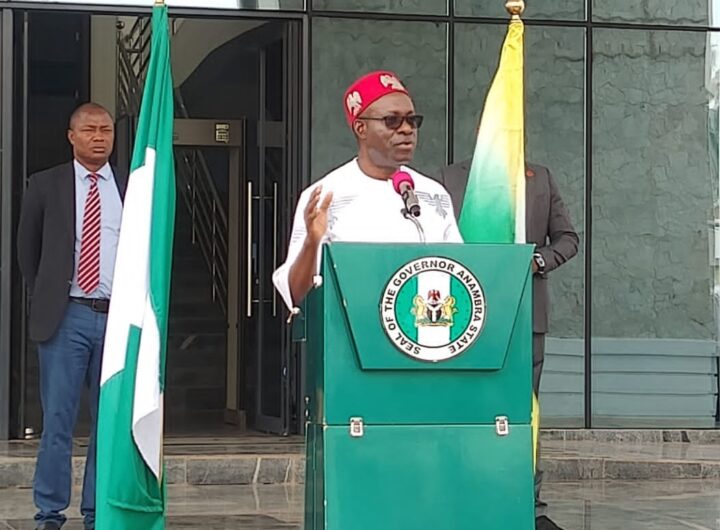 Onitsha Market Closure: Soludo Explains Rationale, Vows to End Sit-at-Home
  FIFA Rules Out World Cup Ban as Senegal Face CAF Sanctions Over AFCON Final Walk-Off
  Nollywood Actress, Angela Okorie Reportedly Detained Over Alleged Cyberbullying Linked to Mercy Johnson Case