

By: Chioma Madonna Ndukwu
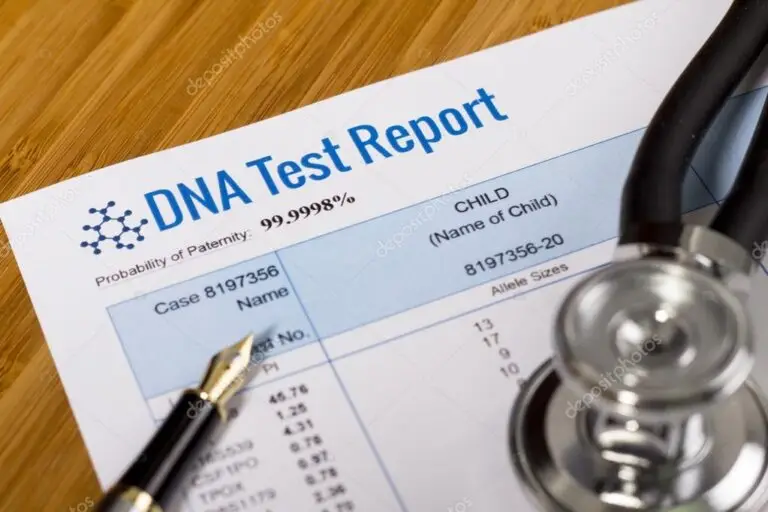
A recent publication by Smart DNA, a leading forensic and genetic testing laboratory in Nigeria, has revealed that a significant percentage of paternity test results conducted over the past year indicate non-biological fatherhood.
According to the 2025 Annual DNA Testing Report released by the firm, 25 percent of men who submitted to paternity testing between July 2024 and June 2025 were found not to be the biological fathers of the children tested.
The report sheds light on a concerning trend in urban areas, especially Lagos, where family trust appears to be under growing strain.
The laboratory noted that a considerable number of these paternity tests were not legally mandated but were instead initiated voluntarily, with many men seeking peace of mind or confirmation in the face of uncertainty.
While only a small percentage of the tests were conducted under court order, there was a noticeable increase in cases tied to immigration, particularly linked to the ongoing wave of Nigerians seeking opportunities abroad.
Smart DNA highlighted that firstborn children were the most commonly involved in these disputes, and alarmingly, the data shows that nearly two-thirds of contested firstborn sons were not biologically related to the men presumed to be their fathers.
The laboratory identified specific neighborhoods in Lagos where paternity test requests were most concentrated, including Lekki, Yaba, Ajah, and Ikorodu, with mainland locations like Surulere and Ikeja also recording substantial numbers.
Children between the ages of zero and five made up the majority of those tested, and slightly more male children than female children were involved.
Ethnic data showed that the majority of test requests came from Yoruba clients, followed by those from the Igbo ethnic group, and to a lesser extent, Hausa clients.
Speaking on the findings, Elizabeth Digia, the operations manager at Smart DNA, emphasized the deeper implications for family life and legal systems in Nigeria.
She pointed out that the country currently lacks clear legal frameworks to address the issue of paternity fraud, leaving many affected individuals without formal protection or avenues for legal redress after discovering non-biological relationships years down the line.
Digia advocated for systemic reform, including the integration of DNA testing into public healthcare and family services. Such measures, she said, could help normalize testing, reduce the cultural stigma, and ensure accurate documentation in family records.
As paternity testing becomes more common in Nigerian cities, the report suggests that wider social issues are coming into focus — issues related not only to trust within families but also to the legal definitions of fatherhood, responsibility, and identity.
With demand for testing on the rise, particularly among younger families and in high-mobility urban areas, the report concludes that this development could reshape conversations around parenthood in the country.
About The Author





















Leave a comment